In today's competitive edible oil industry, selecting the right processing technology is crucial for maximizing both product quality and operational efficiency. Sunflower oil production, in particular, faces critical decisions regarding raw material adaptation and processing methodologies. This guide explores how sunflower seed oil extraction equipment can be optimized for different feedstocks while comparing cold press and hot press technologies to help processors make informed investment decisions.
The global sunflower oil market is projected to reach $48.3 billion by 2027, growing at a CAGR of 4.2% from 2022 to 2027, according to industry reports. This growth is driven by increasing consumer preference for healthy cooking oils and rising demand from the food processing sector. With such market potential, optimizing processing lines becomes essential for competitive advantage.
Sunflower seeds vary significantly in oil content (typically 40-50%), moisture levels, and impurity content depending on growing conditions and varieties. Successful processing requires equipment that can handle these variations:
| Parameter | Cold Press Technology | Hot Press Technology |
|---|---|---|
| Processing Temperature | Below 60°C | 100-120°C |
| Oil Yield | 70-75% | 85-90% |
| Nutritional Retention | High (retains natural antioxidants) | Moderate (some nutrient degradation) |
| Flavor Profile | Mild, natural taste | Stronger, roasted flavor |
| Equipment Cost | Higher initial investment | Lower initial investment |
| Energy Consumption | Lower | Higher |
The choice between cold and hot pressing largely depends on market demand for your end product. Cold-pressed oils typically command a 20-30% price premium in health-conscious markets like North America and Europe, while hot-pressed oils find greater acceptance in price-sensitive markets and industrial applications.
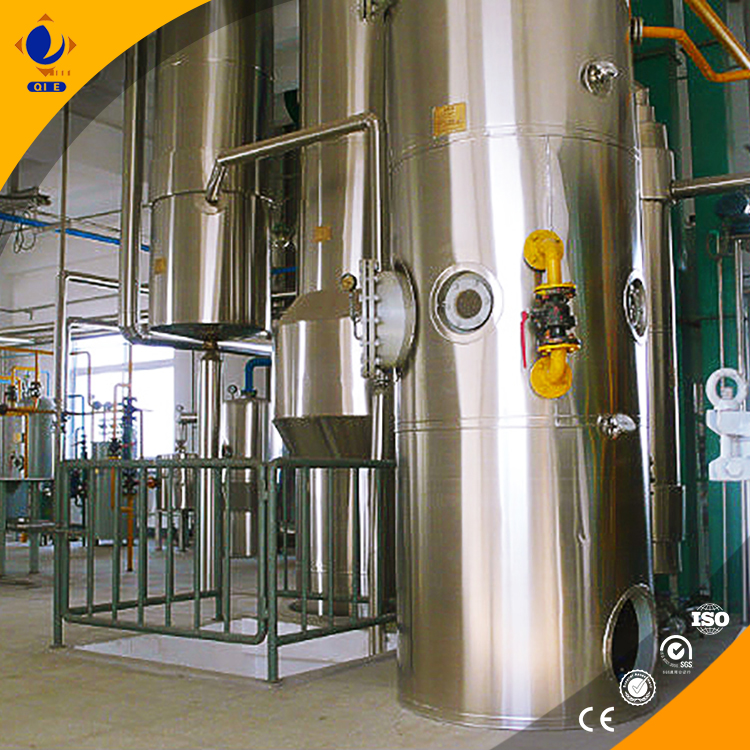
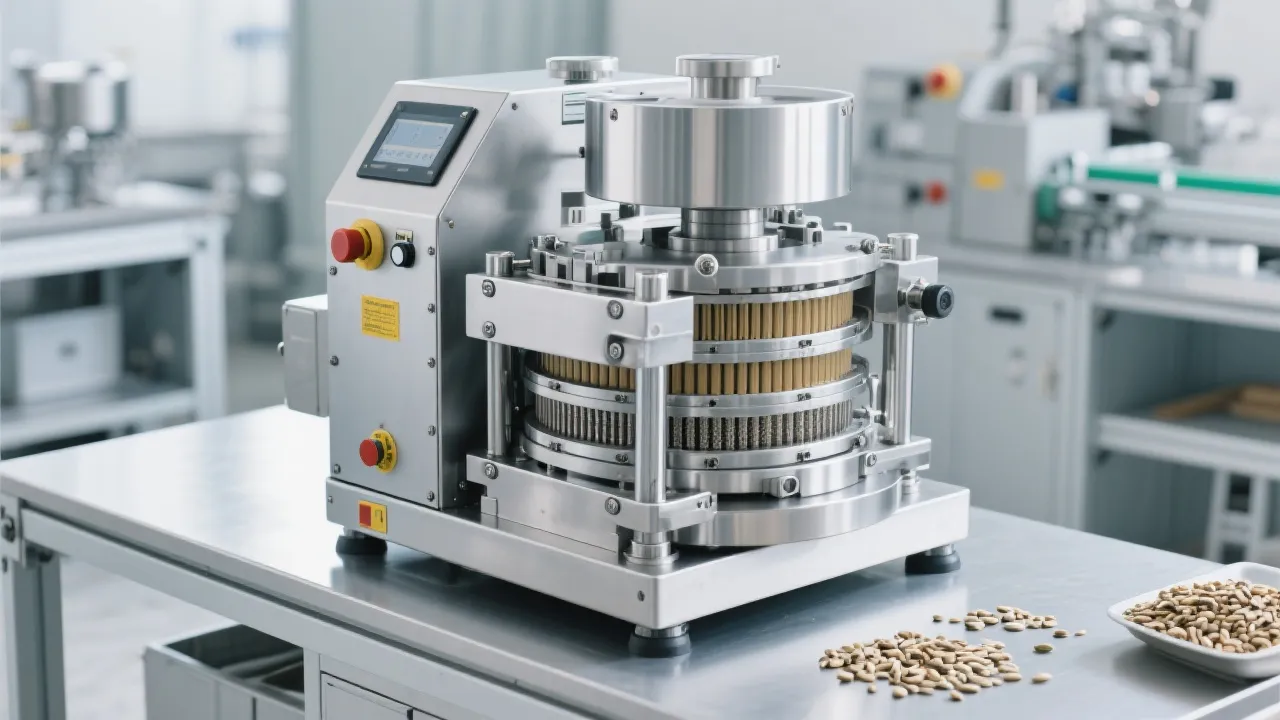
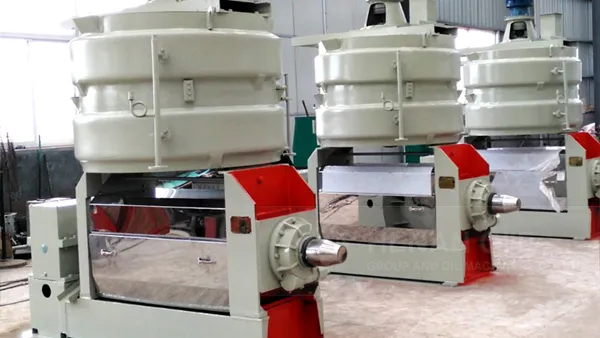
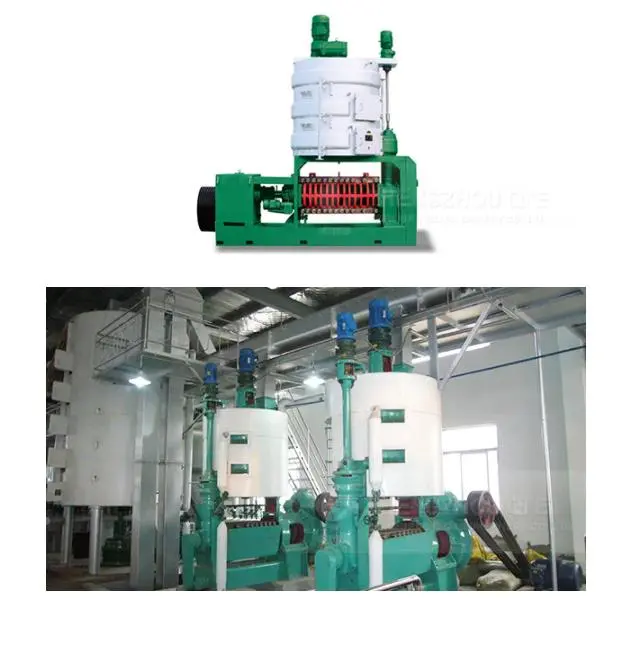
For artisanal producers focusing on premium cold-pressed oils, semi-automatic screw presses with integrated cleaning systems offer the best balance of investment and performance. These systems typically require 2-3 operators and can be installed in limited space.
Mid-sized facilities benefit from automated production lines with continuous pressing capabilities. Qie Group offers modular systems that can be configured for either cold or hot pressing, allowing processors to adapt to market demands while maintaining efficiency.
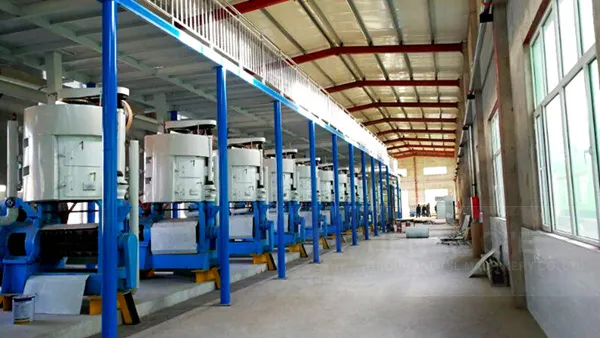
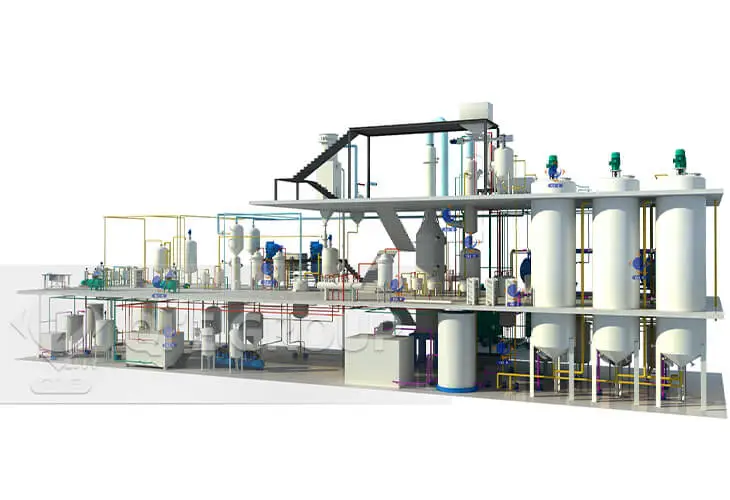
Industrial facilities require fully automated continuous processing lines with integrated solvent extraction for maximum yield. These systems incorporate advanced process control and require significant capital investment but offer the lowest per-unit production costs.
Modern sunflower oil processing lines incorporate several technological advancements that enhance both efficiency and product quality:
PLC-based control systems with touchscreen interfaces allow operators to monitor and adjust processing parameters in real-time, optimizing yield by up to 8% compared to traditional systems.
Heat exchangers and waste heat recovery systems can reduce energy consumption by 15-20%, significantly lowering operational costs over time.
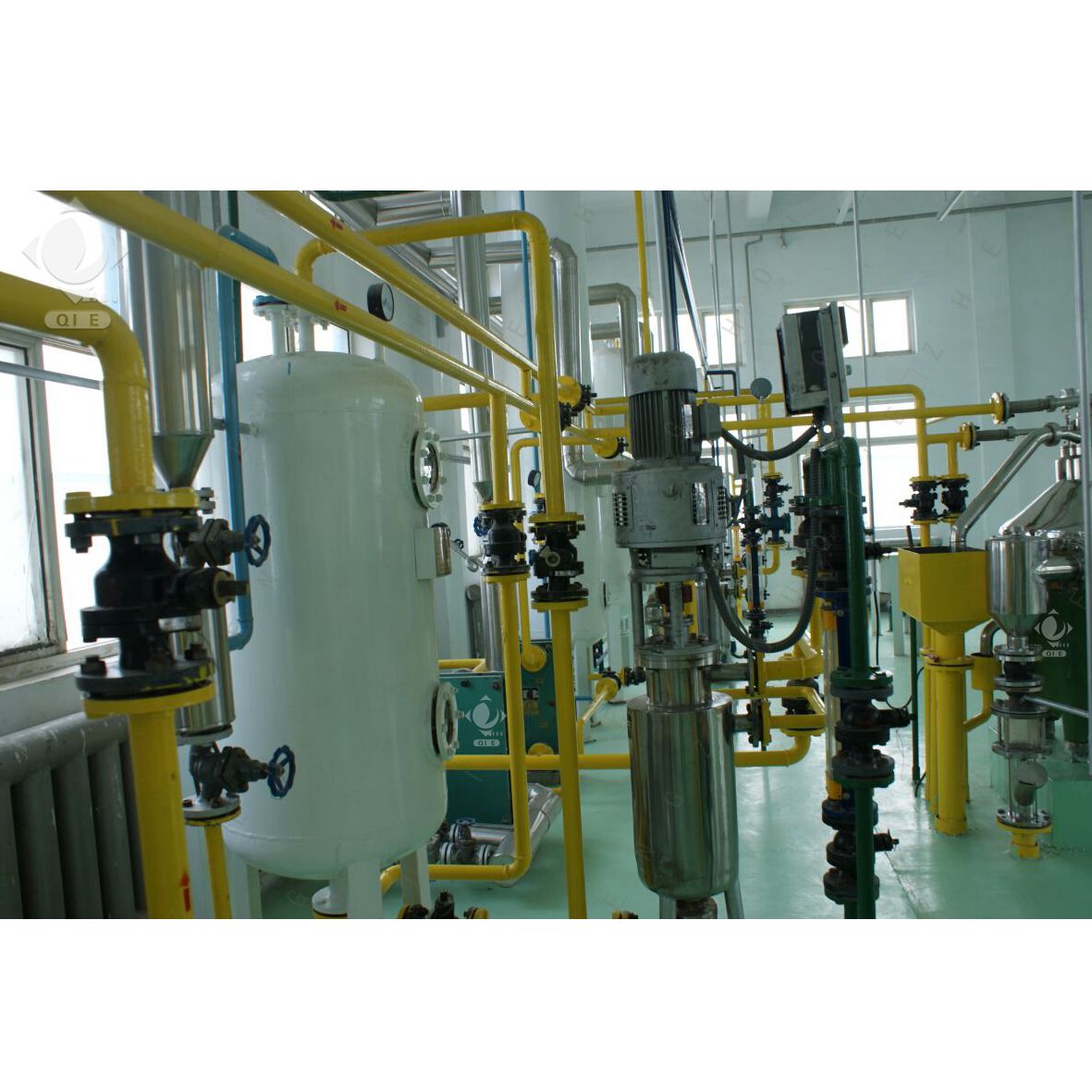
With increasingly stringent environmental regulations worldwide, modern energy-efficient oil extraction technology must address both emissions and waste management. New processing lines incorporate:
Discover how Qie Group's customized sunflower seed oil extraction equipment can help you achieve higher yields, better product quality, and lower operational costs.
Request a Custom Equipment ConsultationQ: What is the typical return on investment for a new sunflower oil processing line?
A: ROI typically ranges from 18-36 months, depending on production scale, raw material costs, and market prices. Small-scale cold press operations often see faster payback due to premium pricing, while larger facilities benefit from economies of scale.
Q: Can the same equipment handle multiple oilseeds besides sunflower?
A: Yes, with appropriate adjustments and optional equipment modules, modern processing lines can be adapted to handle various oilseeds including soybeans, rapeseed, and peanuts, providing production flexibility.
Q: How important is automation for medium-scale operations?
A: Automation significantly reduces labor costs and improves consistency. Even medium-scale operations (10-30 TPD) can benefit from basic automation, typically reducing labor requirements by 30-40% while improving yield consistency.
 soybean oil refining equipment
modular oil refinery plant
automatic oil refining control system
refined soybean oil quality monitoring
equipment installation and commissioning
peanut oil yield improvement
cold and hot pressing technology
peanut oil processing parameters
oil pressing efficiency
peanut oil quality
peanut oil refining process
temperature control in oil refining
vacuum degree impact on oil quality
decolorization and deodorization technology
Penglai Group oil refining equipment
sunflower oil impurity removal
centrifugal purifier operation
sunflower oil processing
edible oil purification technology
food-grade centrifugal separator
sunflower oil pressing technology
oil press maintenance
oil quality testing
nutrient retention in oil pressing
small-scale oil processing equipment
soybean oil refining equipment
modular oil refinery plant
automatic oil refining control system
refined soybean oil quality monitoring
equipment installation and commissioning
peanut oil yield improvement
cold and hot pressing technology
peanut oil processing parameters
oil pressing efficiency
peanut oil quality
peanut oil refining process
temperature control in oil refining
vacuum degree impact on oil quality
decolorization and deodorization technology
Penglai Group oil refining equipment
sunflower oil impurity removal
centrifugal purifier operation
sunflower oil processing
edible oil purification technology
food-grade centrifugal separator
sunflower oil pressing technology
oil press maintenance
oil quality testing
nutrient retention in oil pressing
small-scale oil processing equipment


.png?x-oss-process=image/resize,h_100,m_lfit/format,webp)
.png?x-oss-process=image/resize,h_100,m_lfit/format,webp)
.png?x-oss-process=image/resize,h_100,m_lfit/format,webp)



.jpg?x-oss-process=image/resize,m_fill,h_800,w_800/format,webp)