

In the competitive landscape of edible oil production, industrial sunflower oil press equipment stands as a cornerstone of efficient oil extraction. With global sunflower oil consumption exceeding 20 million metric tons annually, according to recent industry reports, optimizing extraction efficiency has become paramount for manufacturers seeking to enhance profitability while maintaining product quality. This comprehensive guide explores the technical intricacies of industrial sunflower oil press machinery, focusing on operational parameters that directly impact oil yield and energy consumption.
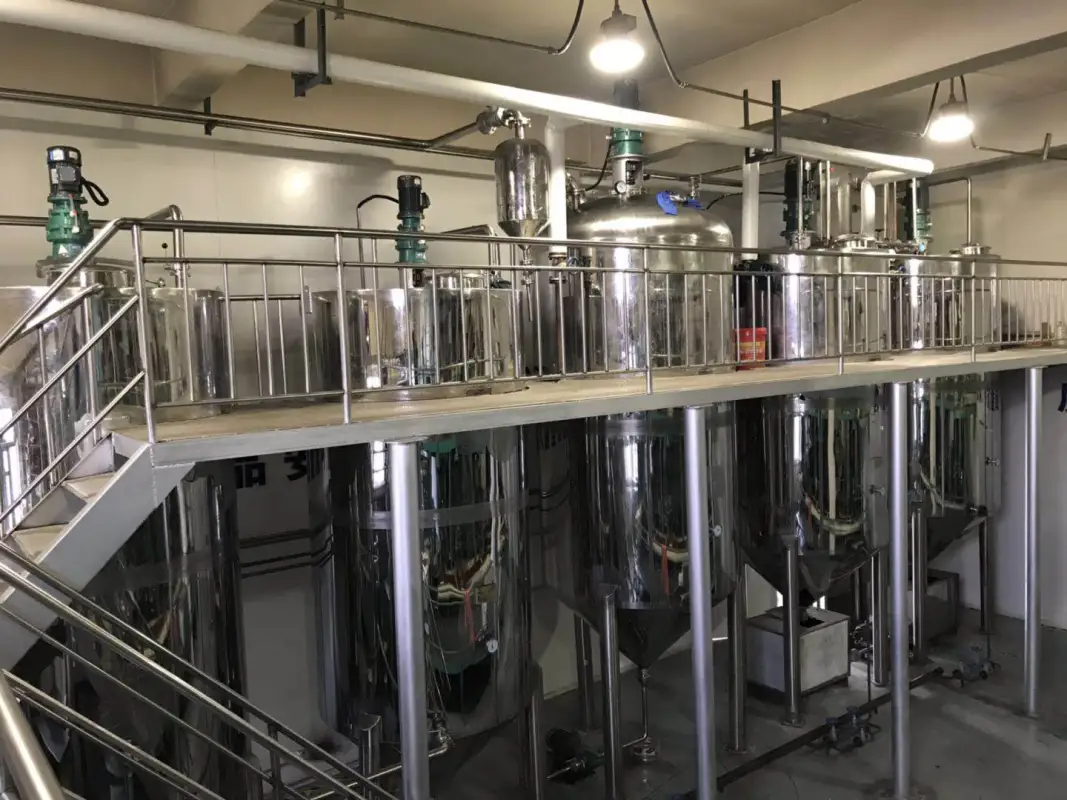
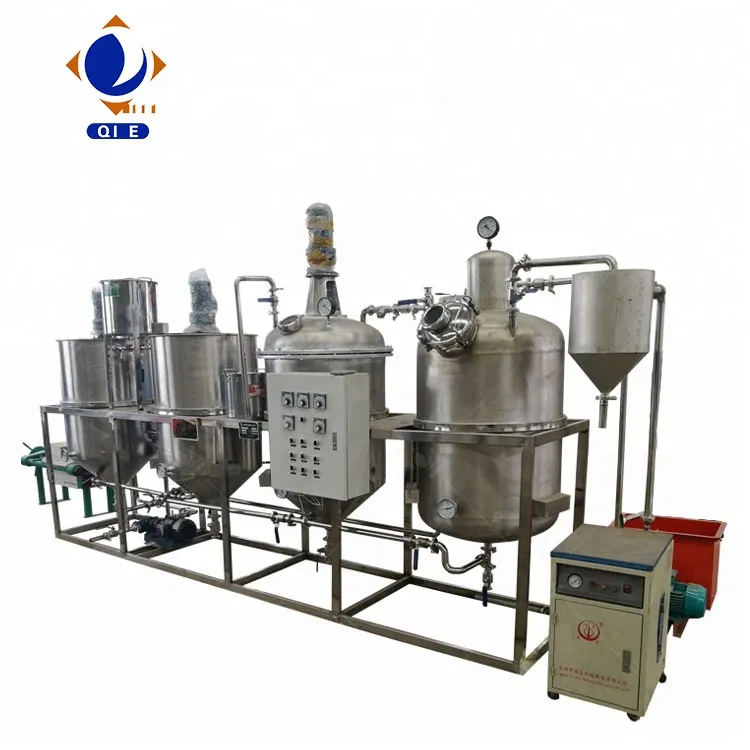
Industrial sunflower oil press equipment operates through a sophisticated integration of mechanical components designed to apply controlled pressure to oilseeds. The typical system comprises a feeding mechanism, screw press assembly, power transmission unit, and discharge system. Modern presses utilize gear-driven transmission systems that maintain consistent rotational speed—typically between 40-60 RPM—to ensure optimal oil extraction without compromising seed integrity.
The heart of the system, the screw press, features a conical design with varying pitch flights that progressively reduce the volume as seeds move through the pressing chamber. This design creates pressure levels ranging from 20-35 MPa, sufficient to rupture oil-containing cells while minimizing heat generation that could affect oil quality.
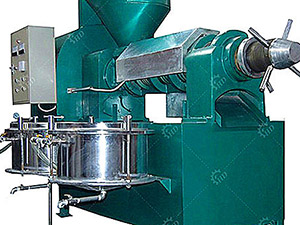
Effective sunflower oil extraction follows a systematic process that begins with seed cleaning and conditioning. Properly prepared seeds—with moisture content adjusted to 6-8%—ensure optimal oil release during pressing. The three-stage pressing process includes:
Temperature control during pressing is critical, with optimal ranges between 60-80°C for sunflower seeds. This temperature range balances oil viscosity and seed structure integrity, ensuring efficient extraction while preserving the oil's nutritional properties.
Achieving optimal oil yield requires precise control of several operational parameters. Industry data shows that adjusting these variables can increase oil recovery by 5-8%:
Penguin Group's advanced press control systems automatically adjust these parameters based on real-time seed analysis, ensuring consistent performance even with varying seed quality.
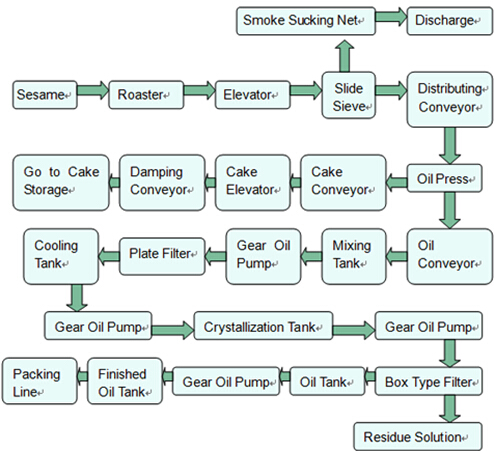
Industrial oil press operations represent significant energy consumption, typically accounting for 15-20% of total production costs. Implementing energy-saving measures can reduce operational expenses by 12-18%:
Variable frequency drives (VFDs) allow motor speed adjustment based on processing demand, reducing energy waste during partial load operation. Heat recovery systems capture and reuse waste heat from the pressing process, pre-heating incoming seeds and reducing overall energy requirements.
Penguin Group's latest press models incorporate these energy-saving technologies, achieving specific energy consumption as low as 1.2 kWh per kg of oil produced—representing a 25% improvement over conventional equipment.
Maintaining consistent operation requires prompt diagnosis and resolution of common mechanical issues. Operational data indicates that 80% of production downtime stems from preventable maintenance issues:
| Common Issue | Diagnostic Method | Solution |
|---|---|---|
| Reduced oil yield | Check seed moisture and press temperature | Adjust conditioning process and verify temperature sensors |
| Excessive noise/vibration | Inspect bearing temperature and alignment | Replace worn bearings and realign drive components |
| Uneven seed feeding | Examine feed auger and hopper design | Adjust feed rate and install anti-bridging devices |
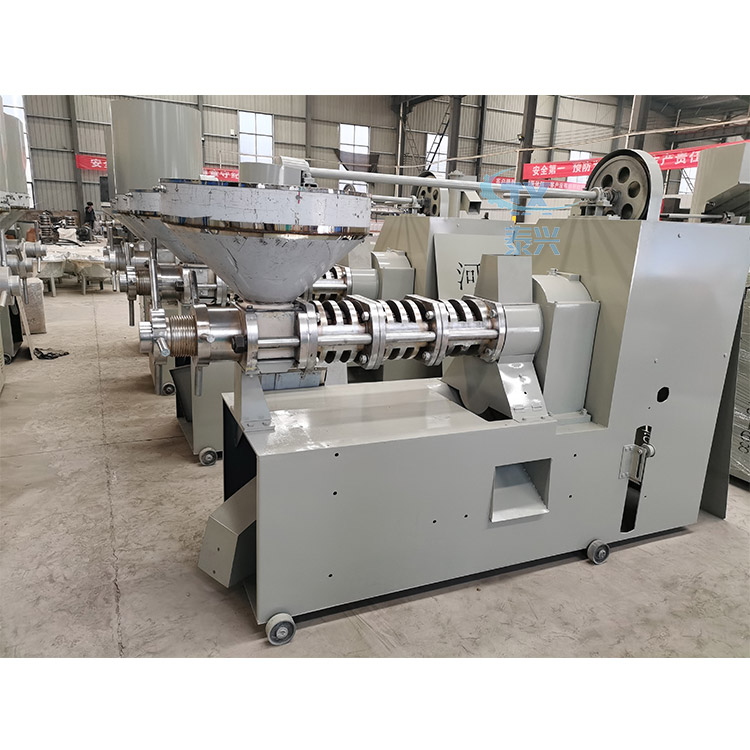
Discover how Penguin Group's industrial sunflower oil press equipment can increase your oil yield by 5-8% while reducing energy consumption. Our technical experts provide personalized equipment configuration based on your production capacity and quality requirements.
Request a Custom Equipment ConsultationRegular maintenance, typically scheduled every 500 operating hours, is essential for sustained performance. This includes lubrication of moving parts, inspection of wear components, and calibration of pressure and temperature sensors. Implementing a preventive maintenance program can extend equipment lifespan by 30-40% and reduce unplanned downtime by up to 50%.
As the global demand for high-quality sunflower oil continues to grow, investing in advanced pressing technology becomes increasingly critical. By understanding and optimizing the key parameters of industrial sunflower oil press equipment, producers can achieve significant improvements in both yield and operational efficiency, gaining a competitive edge in the global market.
 peanut oil yield improvement
cold and hot pressing technology
peanut oil processing parameters
oil pressing efficiency
peanut oil quality
automatic
peanut
oil
production
line
maintenance
peanut
oil
residue
oil
content
troubleshooting
press
pressure
adjustment
temperature
control
in
oil
production
filter
maintenance
for
oil
equipment
sunflower oil filtration equipment selection
industrial oil purifier capacity matching
food-grade stainless steel oil filter
ISO certified oil filtration machine
industrial sunflower oil purifier
sunflower seed oil pressing line
cold press vs hot press
oil processing equipment selection
intelligent oil press equipment
energy-saving oil extraction technology
automatic peanut oil production line maintenance
peanut oil equipment troubleshooting
high oil residue solution
cold and hot pressing peanut oil equipment
peanut oil production line inspection checklist
peanut oil yield improvement
cold and hot pressing technology
peanut oil processing parameters
oil pressing efficiency
peanut oil quality
automatic
peanut
oil
production
line
maintenance
peanut
oil
residue
oil
content
troubleshooting
press
pressure
adjustment
temperature
control
in
oil
production
filter
maintenance
for
oil
equipment
sunflower oil filtration equipment selection
industrial oil purifier capacity matching
food-grade stainless steel oil filter
ISO certified oil filtration machine
industrial sunflower oil purifier
sunflower seed oil pressing line
cold press vs hot press
oil processing equipment selection
intelligent oil press equipment
energy-saving oil extraction technology
automatic peanut oil production line maintenance
peanut oil equipment troubleshooting
high oil residue solution
cold and hot pressing peanut oil equipment
peanut oil production line inspection checklist





.png?x-oss-process=image/resize,h_100,m_lfit/format,webp)
.png?x-oss-process=image/resize,h_100,m_lfit/format,webp)
.png?x-oss-process=image/resize,h_100,m_lfit/format,webp)




.jpg?x-oss-process=image/resize,m_fill,h_800,w_800/format,webp)