Reliable maintenance is essential for stable sunflower oil processing.
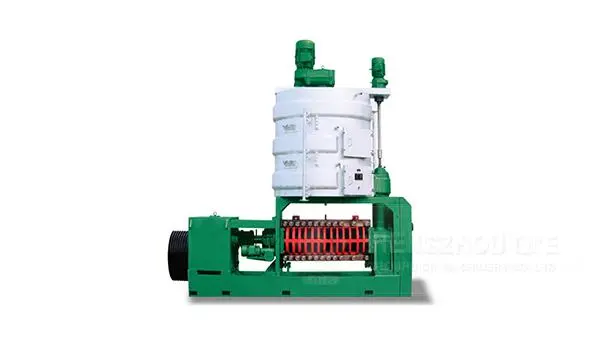
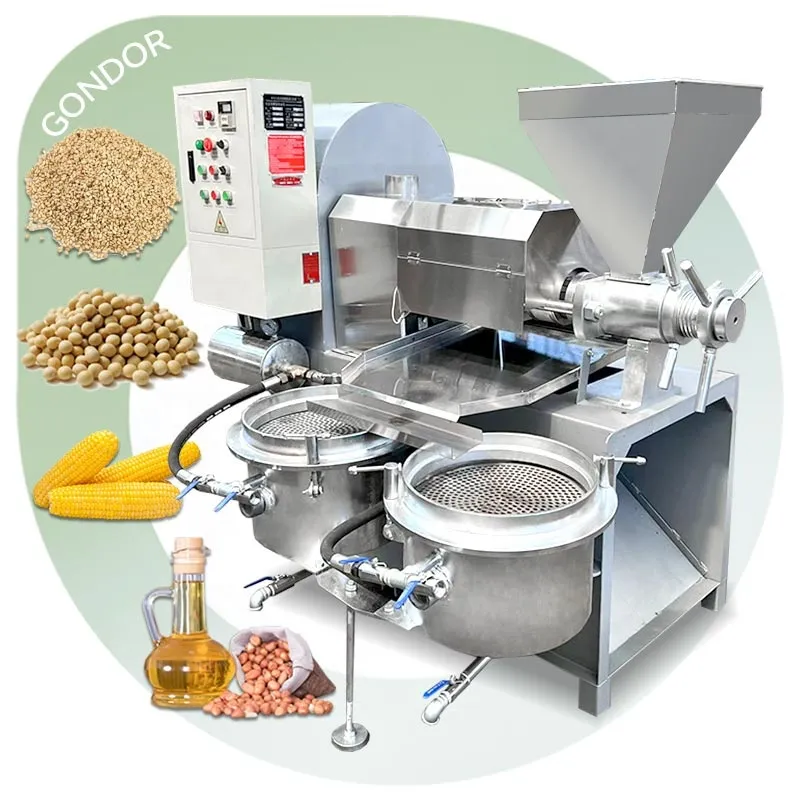
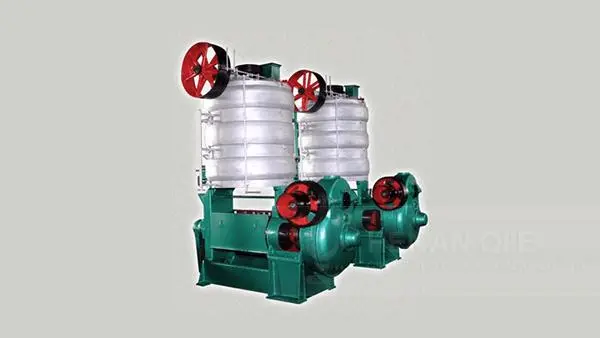
The Sunflower Seed Oil Hot Pressing Machine from Penguin Group is designed for large-scale commercial oil extraction. A structured maintenance routine helps production teams protect key components, reduce unplanned downtime, maintain consistent oil yield, and support long-term operating stability.
This guide covers pre-start inspections, operating checks, shutdown practices, periodic maintenance, and practical troubleshooting for common conditions such as reduced oil yield, abnormal vibration, overheating, blockages, oil leakage, and startup failure.
Hot pressing performance depends on the coordinated operation of the feeding system, preheating process, pressing chamber, drive components, and oil discharge system. When one part operates outside its normal condition, the machine may consume more energy, produce less oil, or experience avoidable interruptions.
Routine inspection can identify loose connections, abnormal wear, blocked passages, and lubrication needs before they develop into larger faults.
Correct seed preparation, preheating, feeding, and pressing conditions help the machine maintain efficient oil extraction.
Early fault diagnosis gives operators a clearer response path and supports more stable continuous production.
Before starting the sunflower seed oil hot pressing machine, operators should complete a visual and operational inspection. The exact inspection frequency should follow the equipment manual, production schedule, and site safety procedures.
During operation, production personnel should observe the machine rather than relying only on output volume. Changes in sound, vibration, temperature, feed consistency, or oil discharge can provide early indications of a developing problem.
| Operating point | What to observe | Recommended response |
|---|---|---|
| Feed rate | Whether seed feeding is continuous and appropriate for the machine’s operating condition. | Avoid sudden overfeeding or prolonged empty running; adjust only within approved operating parameters. |
| Preheating | Whether seed temperature and preheating performance remain consistent. | Check the preheating system and seed preparation if oil yield or cake condition changes. |
| Noise and vibration | New rattling, grinding, impact sounds, or vibration beyond the normal operating condition. | Reduce risk by stopping the machine safely for inspection when abnormal conditions persist. |
| Oil discharge | Oil flow, visible impurities, leakage, and changes in output consistency. | Inspect the outlet and pressing system if discharge becomes restricted or irregular. |
| Temperature | Motor, bearing, pressing, and preheating areas for abnormal heat. | Stop and investigate overheating instead of continuing operation under uncertain conditions. |
A controlled shutdown helps prevent residual material from hardening or blocking the pressing route and makes the next start-up more reliable.
Maintenance planning should be based on operating hours, workload, seed characteristics, environmental conditions, and the equipment manual. A maintenance record can help production teams identify recurring issues and schedule service before a failure interrupts production.
The following checks are intended as a practical first response. If a fault remains unresolved, if a safety device activates, or if internal components must be dismantled, the machine should be serviced by qualified personnel.
| Observed condition | Possible areas to check | Practical action |
|---|---|---|
| Reduced oil yield | Seed moisture or preparation, preheating consistency, feed rate, pressing conditions, and wear of pressing components. | Compare current operating conditions with approved settings, inspect the material route, and review maintenance records. |
| Abnormal vibration | Loose fasteners, uneven installation, drive components, bearings, foreign material, or worn parts. | Stop safely, isolate power, inspect accessible components, and do not resume production until the cause is identified. |
| Overheating | Overloading, insufficient lubrication, restricted ventilation, excessive friction, or an electrical issue. | Stop operation and allow safe inspection; check load, lubrication, ventilation, and electrical protection before restarting. |
| Blockage | Excessive feeding, unsuitable seed preparation, accumulated residue, or restricted discharge. | Switch off and isolate the machine. Clear the blockage only with approved tools and procedures; never reach into moving equipment. |
| Oil leakage | Loose connections, damaged seals, overflow, blocked outlets, or residue around the oil discharge area. | Stop the source if safe, clean the area, identify the leakage point, and replace or repair components as required. |
| Startup failure | Power supply, emergency-stop status, control settings, protective devices, motor condition, or material blockage. | Check the control and safety status first. Do not repeatedly restart the machine if the cause is unclear. |
Before cleaning, clearing a blockage, removing a guard, or inspecting internal components, stop the machine and isolate all relevant energy sources. Wait until moving parts and hot surfaces have reached a safe condition. Only trained and authorized personnel should carry out electrical work, dismantling, adjustment, or component replacement. Use appropriate personal protective equipment and follow the safety procedures established at the processing site.
A simple maintenance log should record the date, operating hours, observed condition, action taken, replaced parts, and follow-up requirements. Production teams can use these records to identify repeated oil yield reductions, recurring vibration, frequent blockages, or changes in temperature and noise.
Consistent inspection, correct operation, and timely service are practical ways to support reliable performance from a sunflower seed oil hot pressing machine.
Penguin Group supplies oil pressing equipment for commercial processing and provides installation, commissioning, technical training, and after-sales support. For maintenance planning, fault diagnosis, or operating questions related to the sunflower seed oil hot pressing machine, customers should provide the machine model, operating condition, symptoms, and relevant maintenance records so that the service team can assess the situation more effectively.
Professional maintenance and responsive technical service help protect equipment investment and support stable sunflower oil production.
 Qi'e Grain and Oil Machinery Co., Ltd. turnkey grain and oil processing equipment oil pressing equipment plant oil extraction equipment edible oil refining equipment
edible oil production line equipment oil processing equipment selection oil press equipment capacity vegetable oil refining equipment overseas oil mill projects Qi'e Grain and Oil Machinery Co., Ltd.
edible oil production line planning oil pressing equipment selection oil processing technology oil mill equipment configuration Qi'e Grain and Oil Machinery Co., Ltd.
Qi'e Grain and Oil Machinery Co., Ltd. grain and oil processing equipment oil pressing production line edible oil refining equipment oil processing solutions
grain and oil processing overall solution oil pressing equipment edible oil production line oil refining equipment grain and oil machinery project construction Qi'e Grain and Oil Machinery Co., Ltd.