Reliable maintenance is essential for stable sunflower seed oil production. This practical guide from Penguin Group helps operators and production managers organize routine inspections and identify common operating problems in sunflower seed oil hot pressing machines, including low oil yield, abnormal vibration, and temperature irregularities.
The inspection points below cover the main stages of operation: pre-start preparation, in-operation monitoring, shutdown procedures, and periodic maintenance. Actual settings, tolerances, lubrication requirements, and replacement intervals must always follow the applicable machine manual and Penguin Group technical documentation.
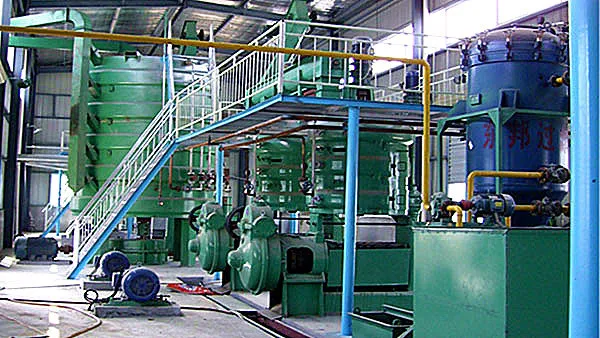
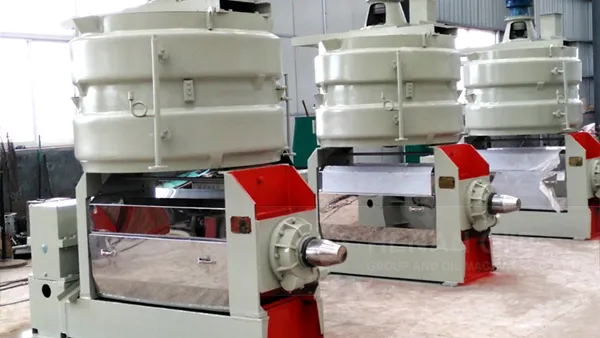
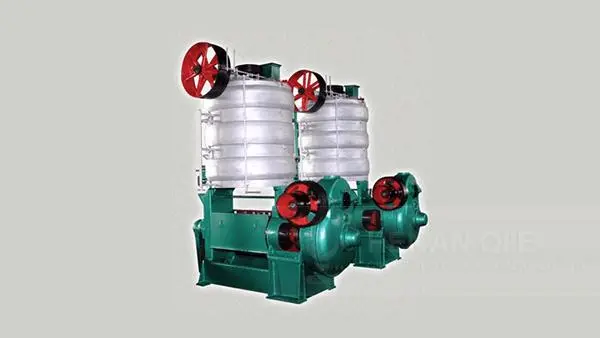
A sunflower seed oil hot pressing machine combines a preheating system, feeding and pressing components, transmission parts, bearings, screw assemblies, and an oil outlet. These components work together to prepare the seeds and mechanically extract oil. If one part operates outside its intended condition, the result may be reduced oil yield, unstable production, excessive vibration, or unnecessary wear.
A preventive maintenance routine allows the team to identify contamination, looseness, abnormal noise, temperature changes, and material blockages before they develop into more serious equipment problems. It also supports consistent food-grade oil processing and helps protect long-term equipment performance.
| Stage | Recommended inspection focus |
|---|---|
| Before start-up | Confirm that guards are fitted, the working area is clean, the seed-feeding path is free from foreign material, and the preheating system, transmission components, bearings, screw, and oil outlet show no visible abnormality. |
| During operation | Monitor the feed condition, oil discharge, press cake condition, temperature behavior, vibration, noise, and signs of leakage or blockage. Record unusual changes as soon as they appear. |
| At shutdown | Follow the approved shutdown sequence, prevent residual material from hardening in critical passages where applicable, clean accessible product-contact areas, and check the machine for new noise, looseness, or leakage. |
| Periodic maintenance | Inspect wear-prone components, fastening points, bearings, transmission parts, screw assemblies, heating elements, electrical connections, and safety devices according to the machine manual and service plan. |
Before starting the sunflower seed oil hot pressing machine, the operator should complete a visual and operational inspection. The purpose is to confirm that the machine is ready for controlled production and that no condition could affect safety, oil quality, or pressing stability.
Stable operation depends on observing trends rather than waiting for a complete failure. Operators should compare current conditions with the machine’s normal operating behavior and keep a clear record of any change.
Observe whether the oil flow is stable and whether the outlet shows signs of obstruction, unusual back pressure, or material accumulation.
Changes in cake condition may indicate differences in seed preparation, feeding, preheating, or pressing resistance and should be investigated together with oil output.
Listen and feel for changes from the normal condition. New or increasing vibration should not be ignored, especially when accompanied by heat, noise, or unstable output.
Check whether the preheating system and relevant machine areas respond consistently to the approved operating settings and show no unexpected rise or fluctuation.
| Observed condition | Initial inspection path | Recommended response |
|---|---|---|
| Low oil yield | Review seed preparation, feed consistency, preheating behavior, screw condition, press resistance, and possible blockage at the oil outlet. | Compare conditions with the approved process settings. Correct the identified operating cause only within the limits of the machine documentation. If output remains low, stop for a detailed inspection and contact technical support. |
| Abnormal vibration | Check for loose fasteners, uneven feeding, foreign material, bearing concerns, transmission abnormalities, screw interference, or an unstable foundation. | Reduce risk by following the approved shutdown procedure when vibration is significant or increasing. Do not access moving components while the machine is operating. Arrange professional inspection before restarting if the cause is not clear. |
| Temperature irregularity | Inspect the preheating system, temperature sensing and control components, material flow, insulation or connection condition, and signs of overheating or insufficient heating. | Keep operation within the documented temperature range. If temperature control is unstable, stop or isolate the affected system as required and obtain qualified technical assistance. |
| Unusual noise or leakage | Check accessible covers, bearings, transmission areas, seals, connections, and product passages for visible damage or accumulation. | Do not continue operation when the source cannot be safely identified. Isolate the equipment and request service support for internal or hazardous-component inspection. |
Maintenance must never be performed on moving, energized, pressurized, or hot equipment. Before opening guards, removing blockages, inspecting internal components, or working near the transmission, screw, bearings, or heating system, follow the site’s shutdown and energy-isolation procedures.
Periodic maintenance should be planned according to production conditions, operating history, and the maintenance requirements supplied with the equipment. The following areas deserve particular attention:
Operators should request professional assistance when the cause of a problem is uncertain, when abnormal vibration or temperature continues after basic checks, when internal components require inspection, or when a repair involves electrical, structural, or safety-critical parts. Continuing to operate under an unexplained abnormal condition may increase equipment damage and production risk.
Penguin Group provides equipment installation, commissioning, technical training, and after-sales support for its sunflower seed oil hot pressing machine and related oil processing equipment. When requesting assistance, provide the machine identification, operating condition, observed symptoms, recent maintenance history, and any relevant photographs or records. Clear information helps the service team assess the issue more efficiently.
Consistent inspection, safe operating discipline, and maintenance based on the applicable manual are the foundation of dependable sunflower seed oil hot pressing. By combining daily observation with planned technical service, production teams can make informed decisions about oil yield, vibration, temperature control, and equipment condition.
 edible oil production line equipment oil processing equipment selection oil press equipment capacity vegetable oil refining equipment overseas oil mill projects Qi'e Grain and Oil Machinery Co., Ltd.
grain and oil processing solutions oil pressing equipment oil production line edible oil refining equipment Qi'e Grain and Oil Machinery Co., Ltd.
Qi'e Grain and Oil Machinery Co., Ltd. oil processing equipment oil pressing production line edible oil refining equipment plant oil solvent extraction equipment
edible oil production line equipment oilseed pretreatment vegetable oil pressing equipment edible oil refining equipment Qi'e Grain and Oil Machinery Co., Ltd.
grain and oil processing project oil production line construction equipment installation and commissioning plant layout Qi'e Grain and Oil Machinery Co., Ltd.