

Did you know? Incomplete sunflower seed dehulling can reduce oil extraction rates by up to 12% and increase refining costs by 15% – turning potential profit into waste. For oil mill operators, mastering the dehulling process isn't just a technical detail; it's the foundation of a profitable production line.
Sunflower oil production is a sophisticated process where each stage directly impacts the final product quality and operational efficiency. Among these stages, dehulling stands out as the critical bridge between raw material preparation and oil extraction. A well-optimized dehulling process doesn't just remove shells – it maximizes oil yield, improves oil quality, and reduces downstream processing challenges.
Consider this industry reality: a dehulling efficiency of 95% or higher can increase oil extraction rates by 8-10% compared to systems operating at 85% efficiency. For a medium-sized oil mill processing 500 tons of sunflower seeds daily, this translates to an additional 4-5 tons of oil production – a significant revenue boost that directly impacts the bottom line.
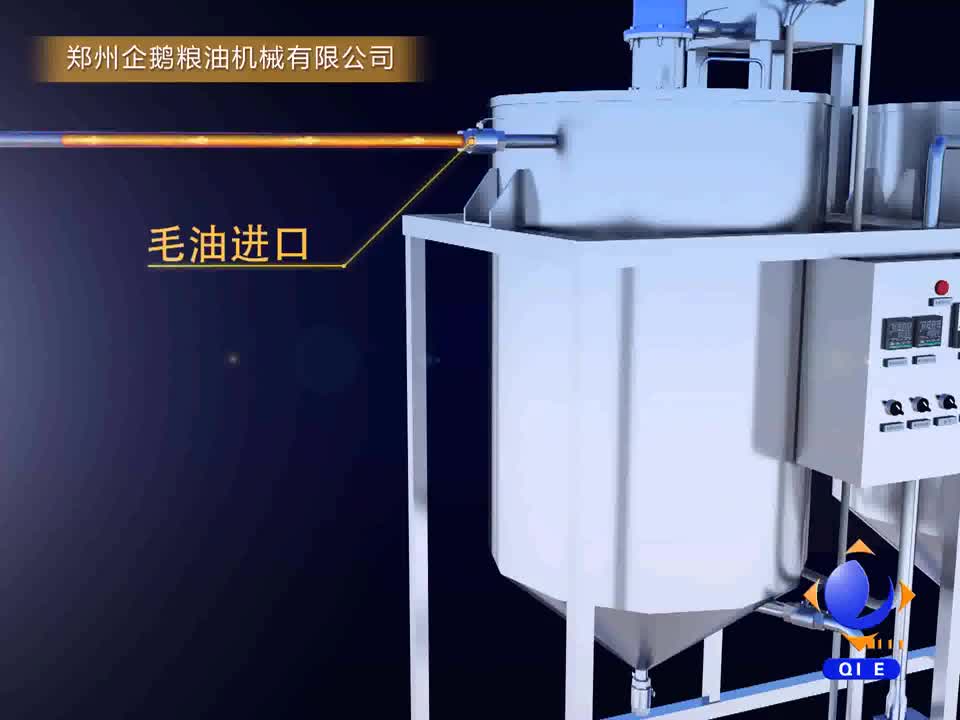
Before diving into dehulling specifics, let's examine the complete production sequence to appreciate where dehulling fits and why it matters:
Each stage depends on the previous one, but dehulling acts as the critical quality control point. Shells contain minimal oil but absorb valuable extract during pressing, while also introducing unwanted components that affect oil color, flavor, and refining requirements.
Modern oil mills have two primary dehulling technologies to choose from, each with distinct advantages depending on production scale and seed characteristics:
| Dehulling Technology | Working Principle | Typical Dehulling Rate | Kernel Damage Risk | Energy Consumption |
|---|---|---|---|---|
| Mechanical Hulling | Rotating discs or rollers apply controlled pressure to crack shells | 92-96% | Moderate (3-5%) | Higher |
| Airflow Separation | Differential air pressure separates lighter shells from heavier kernels | 88-92% | Low (1-2%) | Lower |
Many modern production lines, including those utilizing Qie Group equipment, combine both technologies in a two-stage process to achieve optimal dehulling rates while minimizing kernel damage – often reaching 97-98% dehulling efficiency with less than 2% kernel loss.
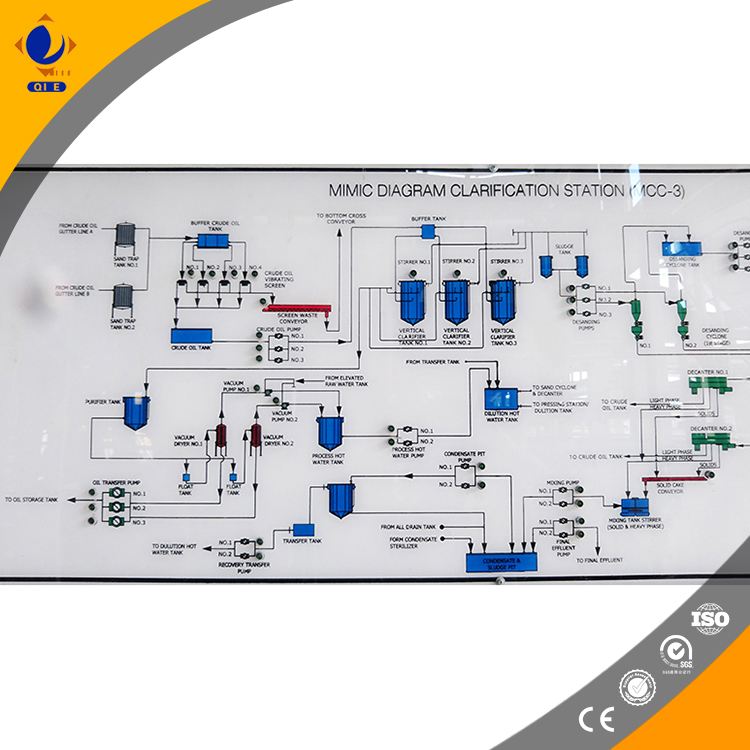
Effective dehulling isn't an isolated process but part of a cohesive production system. The dehuller must synchronize with subsequent equipment to maintain efficiency:
Engineers at a Romanian oil mill recently upgraded their dehulling system with integrated controls, resulting in not only 10% higher oil yield but also 12% reduction in maintenance downtime due to better system coordination.
Beyond equipment selection, operational parameters significantly impact dehulling performance. Based on interviews with experienced plant operators, these are the critical factors for success:
Moisture Control: Seeds with 6-7% moisture content dehull most effectively. Too dry (below 5%) increases kernel breakage; too moist (above 9%) results in incomplete shell removal.
Adjustment Protocol: When changing seed batches, operators should:
Maintenance Schedule: Daily cleaning of separation screens and weekly inspection of roller surfaces prevent efficiency degradation. One operator noted that skipping weekly maintenance led to a 4% drop in dehulling efficiency within just 10 days.

Many oil producers accept suboptimal dehulling as an unavoidable part of production. The data shows otherwise – with the right approach, significant improvements in yield and quality are achievable.
Discover Your Dehulling Optimization PotentialTake our quick assessment to identify specific opportunities for your production line
Every sunflower seed contains potential profit – but only if the shell is removed efficiently. As oil markets become increasingly competitive, the margin between success and struggle often comes down to mastering the fundamentals like dehulling. The question isn't whether you can afford to optimize your dehulling process, but whether you can afford not to.
What challenges have you faced with sunflower seed dehulling in your operation? Share your experiences below – our technical team responds to all comments within 48 hours.
 soybean oil refining equipment
modular oil refinery plant
automatic oil refining control system
refined soybean oil quality monitoring
equipment installation and commissioning
sunflower oil filtration equipment selection
industrial oil purifier capacity matching
food-grade stainless steel filtration equipment
ISO certified oil processing equipment
sunflower oil production equipment guide
sunflower oil impurity removal
centrifugal purifier operation
sunflower oil processing
edible oil purification technology
food-grade centrifugal separator
automatic peanut oil production line maintenance
peanut oil equipment troubleshooting
high oil residue solution
cold and hot pressing peanut oil equipment
peanut oil production line inspection checklist
sunflower seed oil pressing line
cold press vs hot press
oil processing equipment selection
intelligent oil press equipment
energy-saving oil extraction technology
soybean oil refining equipment
modular oil refinery plant
automatic oil refining control system
refined soybean oil quality monitoring
equipment installation and commissioning
sunflower oil filtration equipment selection
industrial oil purifier capacity matching
food-grade stainless steel filtration equipment
ISO certified oil processing equipment
sunflower oil production equipment guide
sunflower oil impurity removal
centrifugal purifier operation
sunflower oil processing
edible oil purification technology
food-grade centrifugal separator
automatic peanut oil production line maintenance
peanut oil equipment troubleshooting
high oil residue solution
cold and hot pressing peanut oil equipment
peanut oil production line inspection checklist
sunflower seed oil pressing line
cold press vs hot press
oil processing equipment selection
intelligent oil press equipment
energy-saving oil extraction technology




.png?x-oss-process=image/resize,h_100,m_lfit/format,webp)
.png?x-oss-process=image/resize,h_100,m_lfit/format,webp)
.png?x-oss-process=image/resize,h_100,m_lfit/format,webp)


