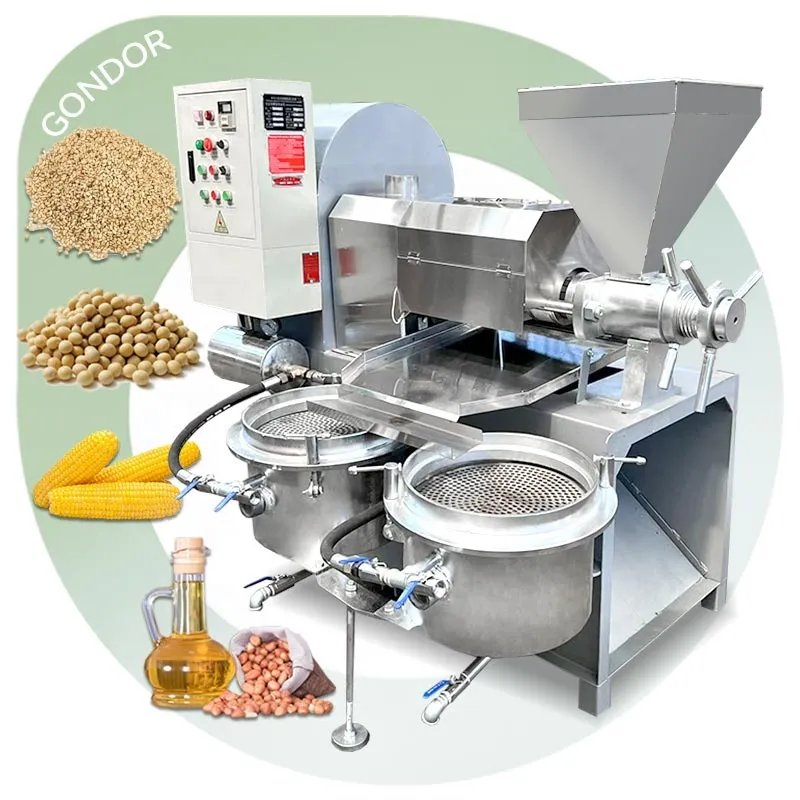
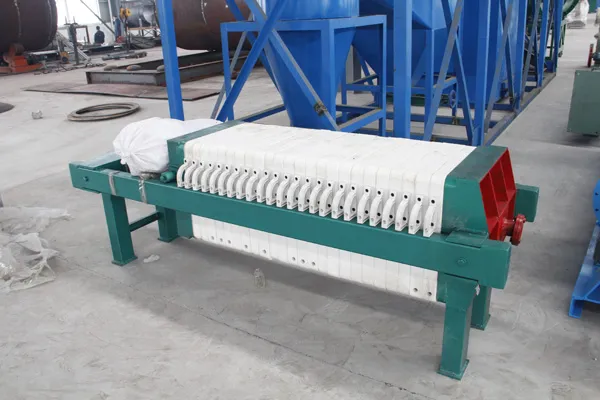
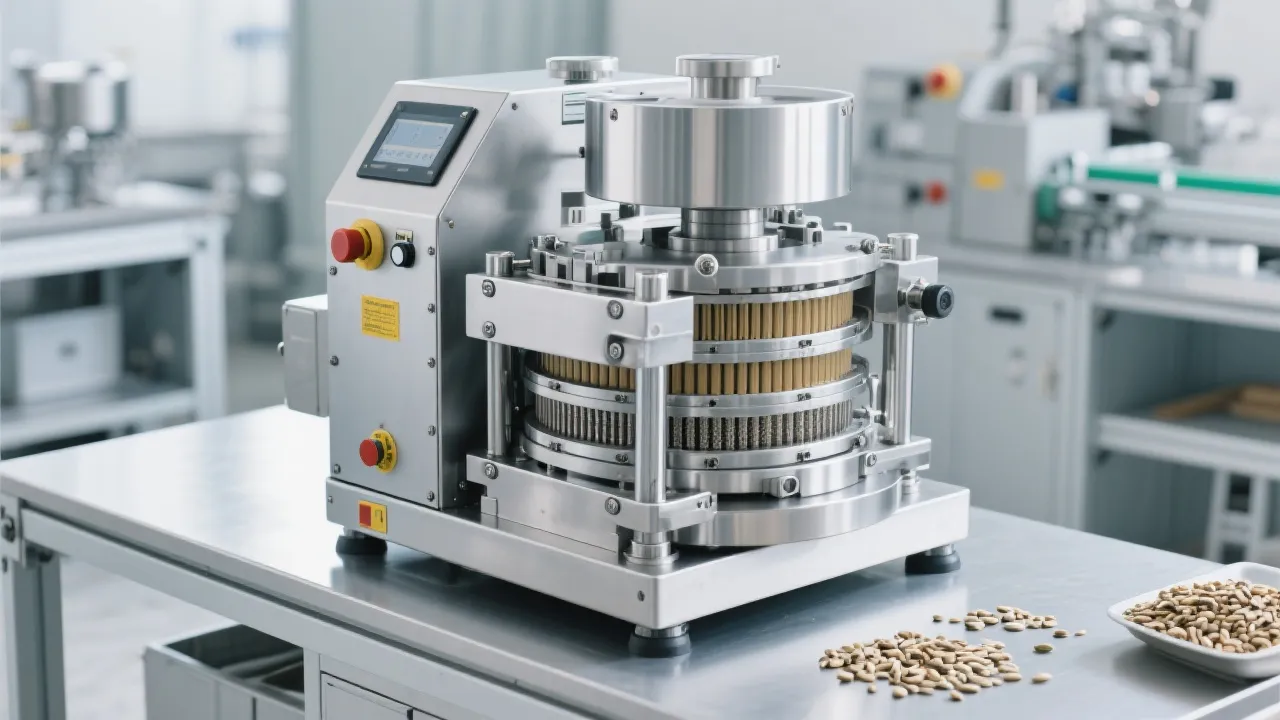
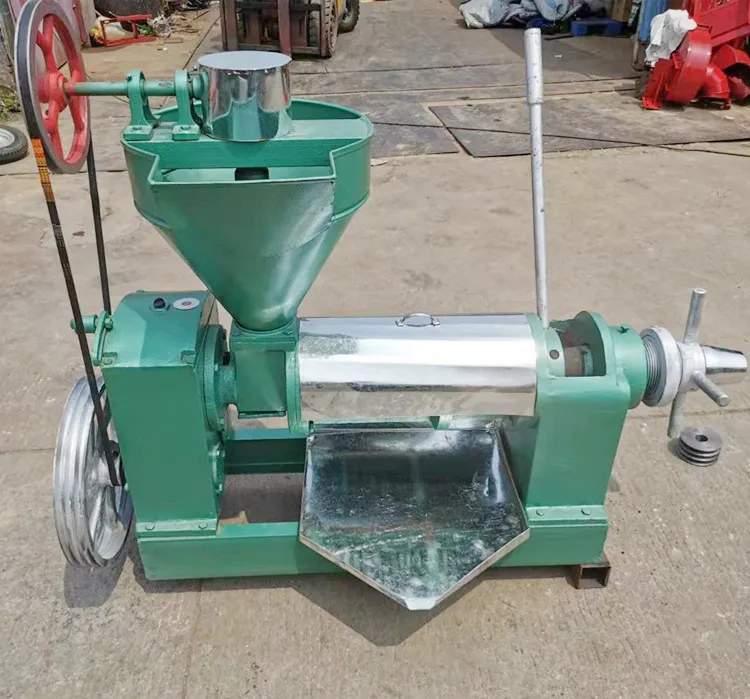
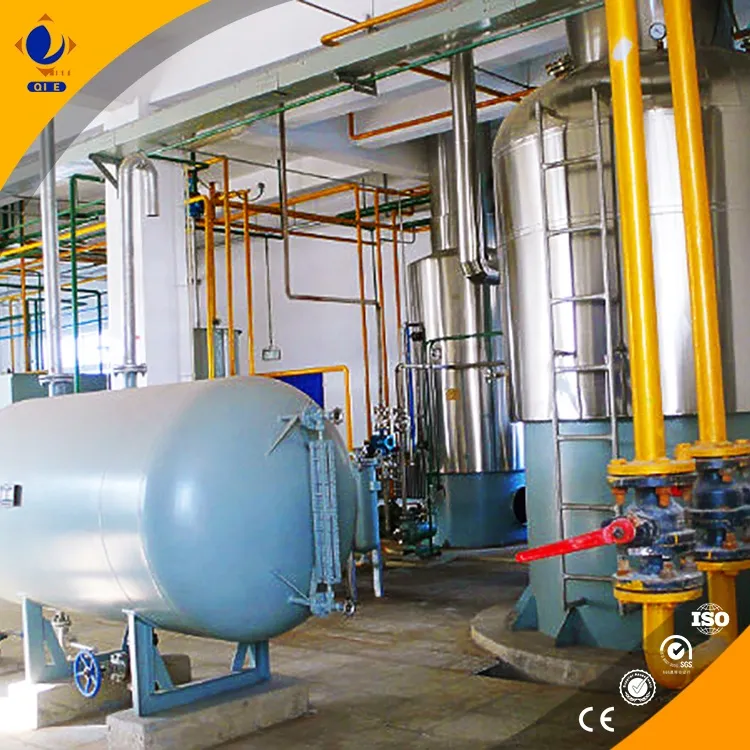
Every drop of sunflower oil on supermarket shelves undergoes a critical purification journey that determines its quality, shelf life, and market value. For processors facing challenges with traditional filtration methods—from frequent filter cloth replacements to inconsistent purity levels—the shift to centrifugal separation technology represents a transformative solution. In this guide, we'll explore how this physics-driven process is revolutionizing sunflower oil production, delivering up to 30% higher throughput while maintaining food-grade safety standards.
"Centrifugal separation has reduced our maintenance costs by 45% and eliminated the 3-hour daily downtime we used to experience with filter presses." — Maria Ivanova, Production Manager at Balkan Oils Ltd.
At its core, centrifugal separation leverages the principles of rotational force to separate impurities from oil—a process far more efficient than conventional filter cloth or paper methods. When sunflower oil enters the centrifuge, it's subjected to rotational speeds ranging from 3,000 to 6,000 RPM, generating centrifugal forces up to 6,000 times the force of gravity. This extreme force causes denser impurities (such as phospholipids, free fatty acids, and solid particles) to migrate outward, while purified oil collects in the center.
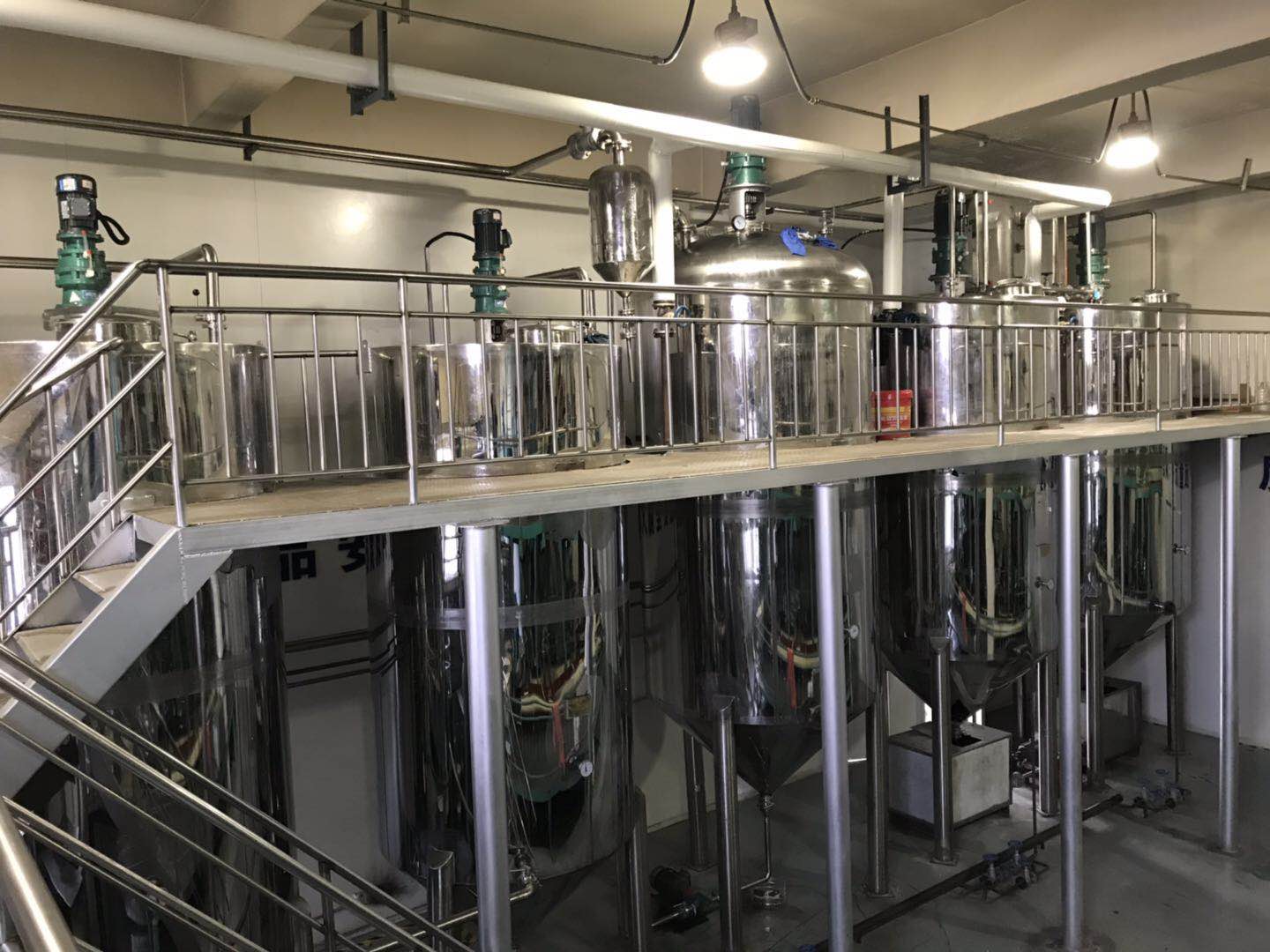
Unlike traditional filtration, which relies on porous materials that quickly clog, centrifugal systems operate continuously, with self-cleaning mechanisms that discharge separated impurities without stopping production. This fundamental difference explains why modern processors report 85-95% impurity removal rates compared to 60-70% with conventional methods.
| Performance Metric | Traditional Filtration | Centrifugal Separation |
|---|---|---|
| Maintenance Frequency | 2-3 times daily | Once weekly |
| Throughput Capacity | Limited by filter clogging | Continuous, up to 5000 L/hour |
| Operating Costs | High (filter replacements, labor) | 30-40% lower |
| Oil Loss | 5-8% | 1-2% |
Whether you operate a family-owned mill processing 500 kg/day or a large-scale facility handling 50+ tons daily, centrifugal technology offers adaptable solutions. Compact models like the 企鹅集团 MiniSep 300 are designed for small to medium producers, featuring simplified controls and a footprint under 2 square meters. For industrial operations, the企鹅集团 MegaFlow series delivers continuous processing with integrated CIP (Clean-in-Place) systems, reducing cleaning time by 70%.
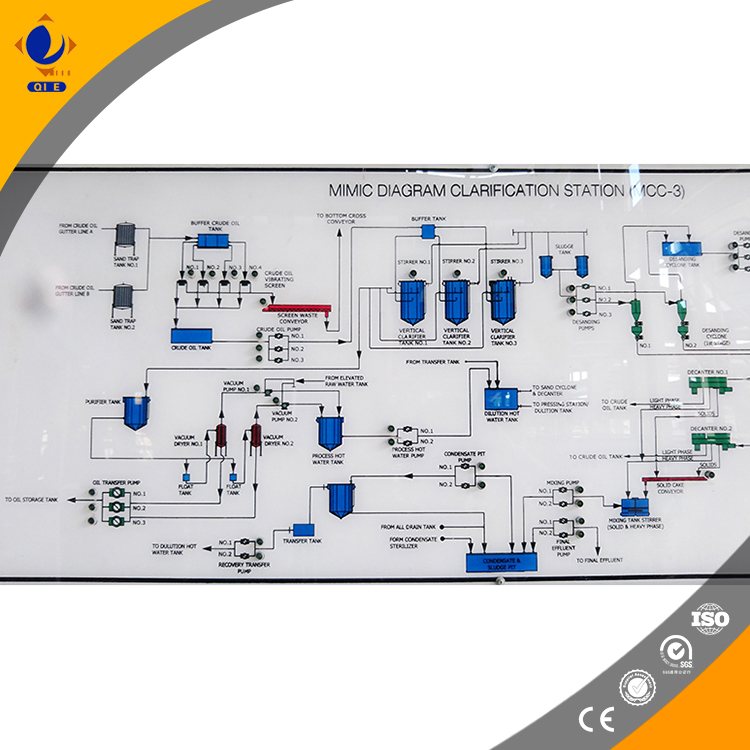
When Transylvania Oils upgraded from traditional filter presses to企鹅集团 centrifugal systems in 2022, the results were transformative. The 150-employee facility saw:
As plant director Ioan Petrescu noted: "The transition paid for itself within 8 months. We now produce cleaner oil with fewer resources, and our maintenance team has been redeployed to more value-adding tasks."
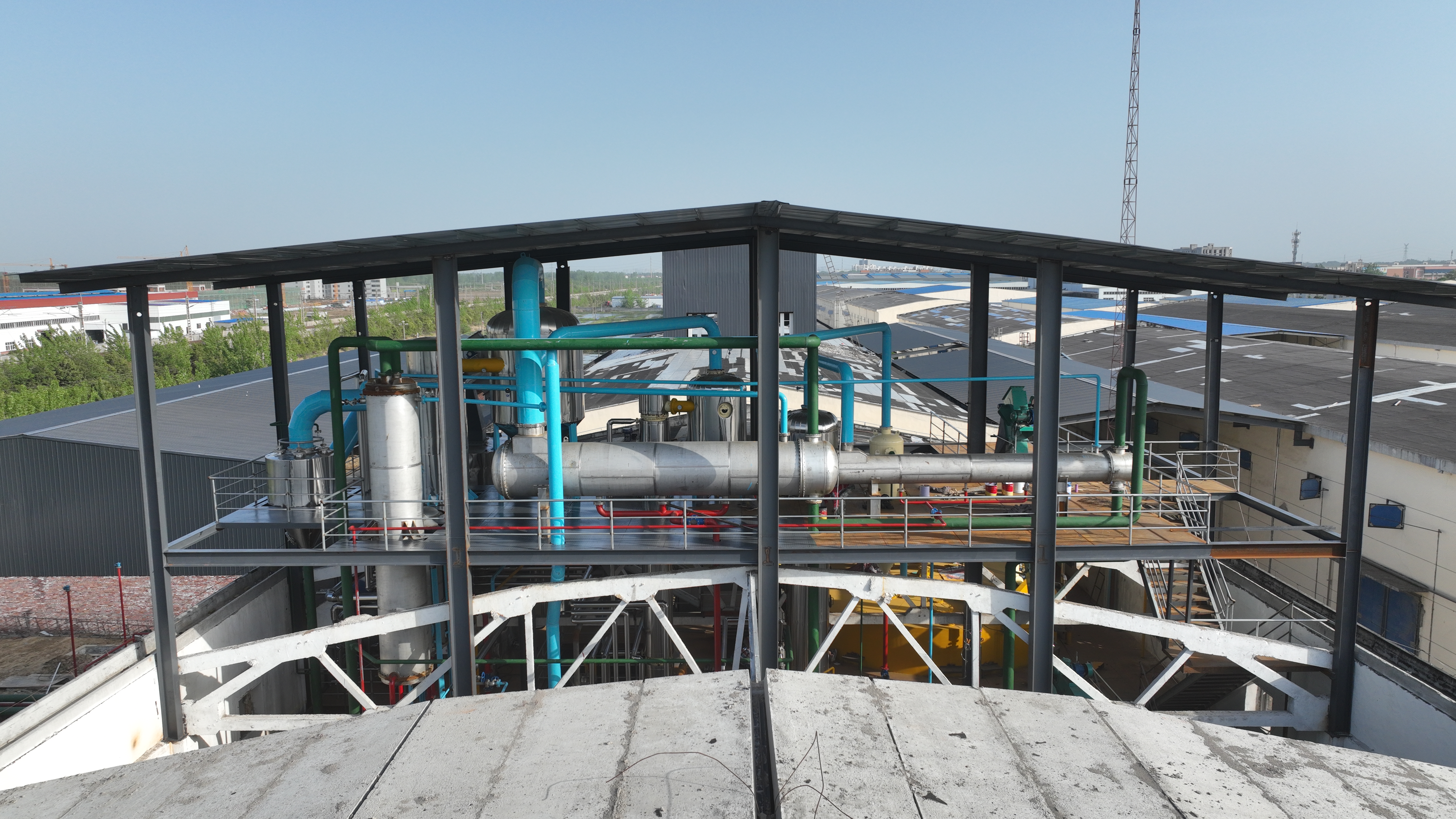
Discover how企鹅集团 centrifugal purification systems can reduce costs while提升油品纯度与生产效率 for your operation.
Get Your Customized Purification SolutionEven with advanced technology, operators may encounter occasional challenges. Here’s how to address the most common issues:
Solution: Check for不平衡的转子或地脚螺栓松动。Perform weekly balance checks and ensure proper installation per manufacturer guidelines.
Solution: Verify oil temperature and adjust if necessary. Check for worn seals or incorrect bowl speed settings.
By implementing these best practices and leveraging modern centrifugal technology, sunflower oil producers can achieve unprecedented levels of efficiency and product quality. The choice between traditional and centrifugal methods ultimately comes down to long-term value—investing in technology that reduces operational headaches while delivering consistent, high-quality oil to market.
 soybean oil refining equipment
modular oil refinery plant
automatic oil refining control system
refined soybean oil quality monitoring
equipment installation and commissioning
sunflower oil quality control
sensory evaluation for sunflower oil
physicochemical indicators acid value peroxide value
cold pressing temperature control
export grade sunflower oil compliance
sunflower oil filtration equipment selection
industrial oil purifier capacity matching
food-grade stainless steel oil filter
ISO certified oil filtration machine
industrial sunflower oil purifier
sunflower oil pressing technology
oil press maintenance
oil quality testing
nutrient retention in oil pressing
small-scale oil processing equipment
sunflower oil filtration equipment selection
industrial oil purifier capacity matching
food grade stainless steel oil filter
ISO certified oil filtration equipment
sunflower oil production filtration solution
soybean oil refining equipment
modular oil refinery plant
automatic oil refining control system
refined soybean oil quality monitoring
equipment installation and commissioning
sunflower oil quality control
sensory evaluation for sunflower oil
physicochemical indicators acid value peroxide value
cold pressing temperature control
export grade sunflower oil compliance
sunflower oil filtration equipment selection
industrial oil purifier capacity matching
food-grade stainless steel oil filter
ISO certified oil filtration machine
industrial sunflower oil purifier
sunflower oil pressing technology
oil press maintenance
oil quality testing
nutrient retention in oil pressing
small-scale oil processing equipment
sunflower oil filtration equipment selection
industrial oil purifier capacity matching
food grade stainless steel oil filter
ISO certified oil filtration equipment
sunflower oil production filtration solution


.png?x-oss-process=image/resize,h_100,m_lfit/format,webp)
.png?x-oss-process=image/resize,h_100,m_lfit/format,webp)
.png?x-oss-process=image/resize,h_100,m_lfit/format,webp)