
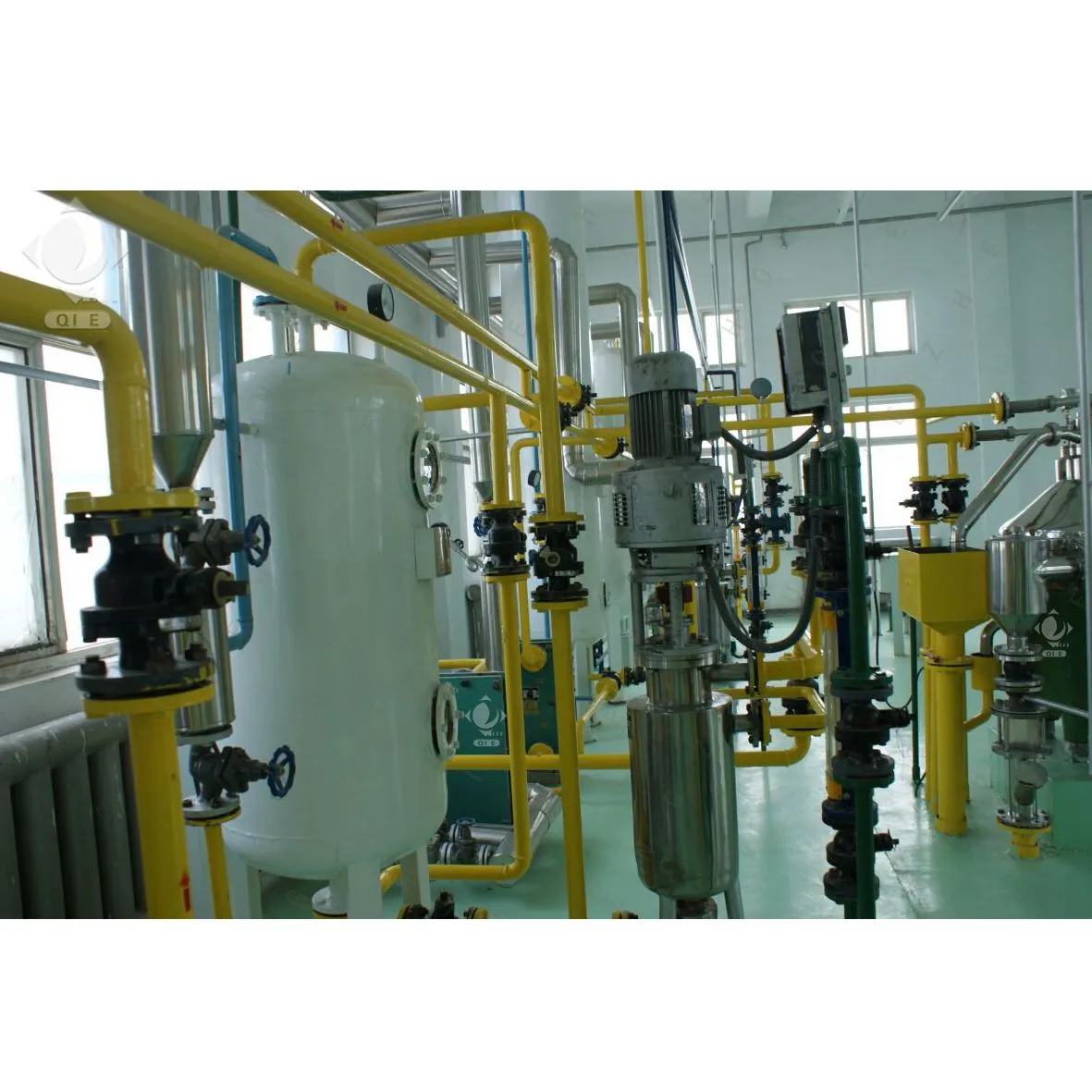
In recent years, the global sunflower oil market has witnessed remarkable growth, driven by increasing consumer demand for healthier cooking oils and the expanding food processing industry. According to industry reports, the global sunflower oil market size is projected to reach $24.8 billion by 2026, growing at a CAGR of 4.3% from 2021 to 2026. This growth brings both opportunities and challenges for oil processing enterprises, especially when it comes to optimizing production efficiency and meeting stringent environmental regulations.
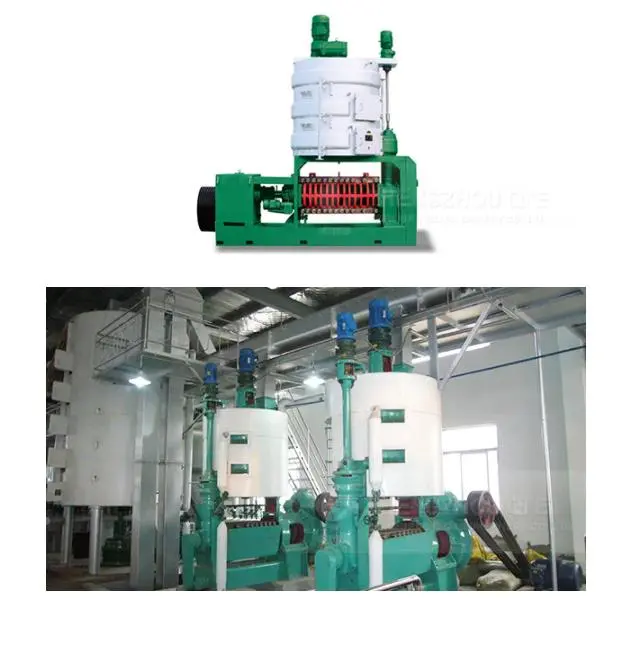
Your factory's production line might still be relying on traditional manual operations or semi-automatic systems, but the industry is rapidly moving towards intelligent automation. Qie Group has been at the forefront of this technological revolution, helping oil mills around the world transform their operations through advanced sunflower seed oil production line solutions.
Today's consumers are more health-conscious than ever, demanding high-quality, nutrient-rich sunflower oil with minimal processing. At the same time, food manufacturers require consistent quality and stable supply to meet their production needs. These market shifts are pushing oil processing facilities to upgrade their equipment and adopt more sophisticated production technologies.
Small-scale operations typically use batch processing systems with limited automation, suitable for local markets with lower production demands. Medium to large enterprises, however, are increasingly investing in continuous production lines integrated with intelligent control systems to achieve higher throughput and better quality control.
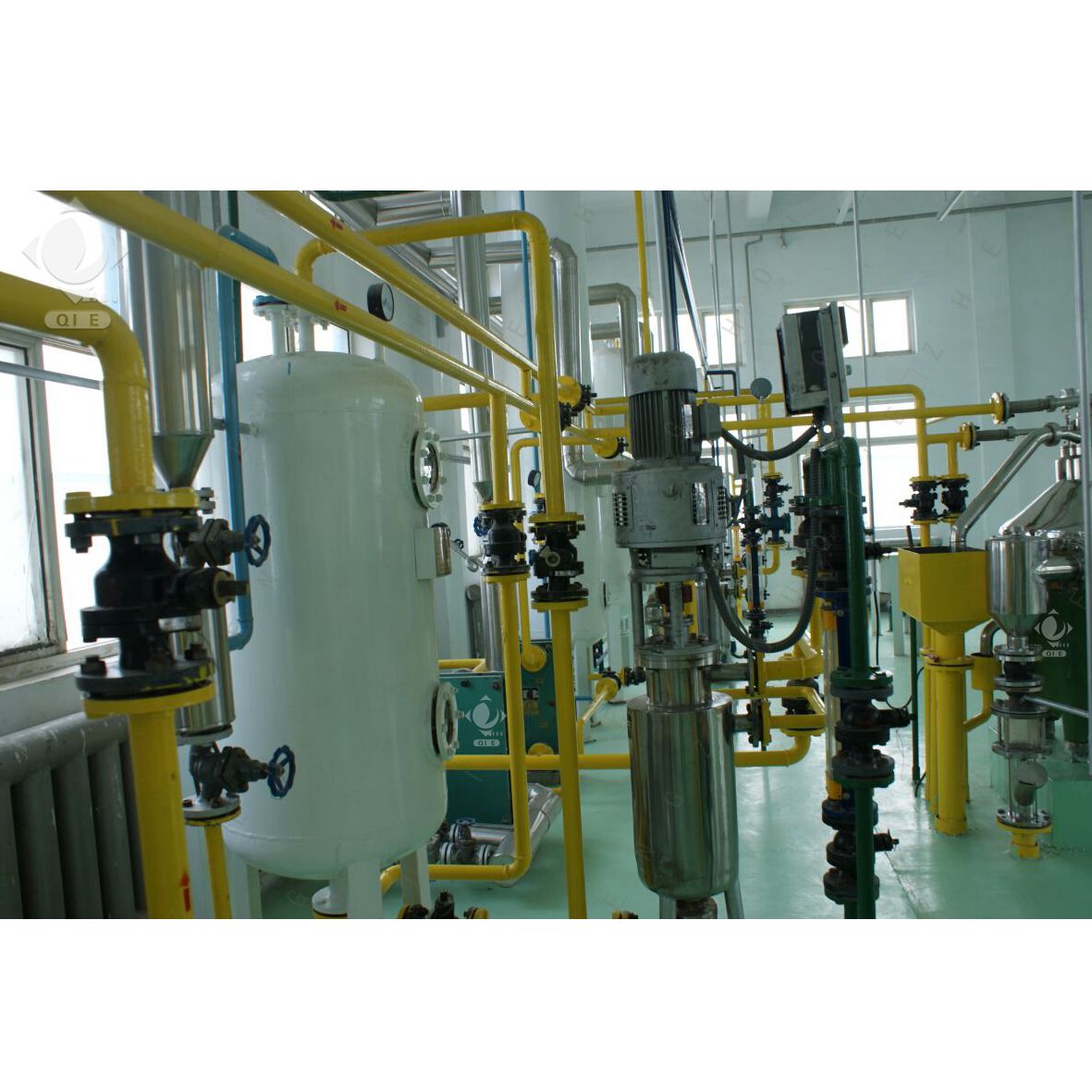
Modern intelligent control systems are transforming sunflower oil production in several key ways:
Intelligent systems optimize energy consumption by precisely controlling heating, pressing, and refining processes. Case studies show that automated oil pressing equipment can reduce energy consumption by 18-25% compared to traditional systems. This not only lowers operational costs but also contributes to sustainability goals.
Precise temperature control (±1°C) during the pressing and refining stages ensures consistent oil quality and higher nutrient retention. Automated systems maintain optimal processing conditions 24/7, eliminating quality variations caused by human error or fatigue.
Remote monitoring capabilities allow for real-time equipment performance tracking and predictive maintenance. This proactive approach reduces unplanned downtime by up to 35% and extends equipment lifespan by 15-20%.
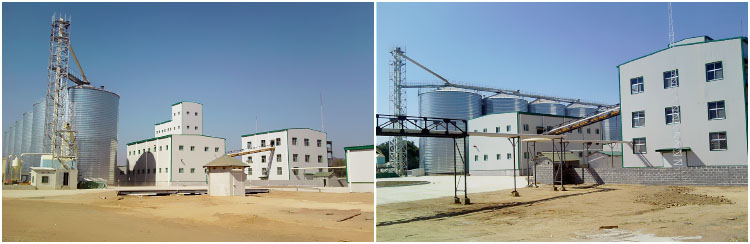
Governments worldwide are implementing stricter environmental regulations and carbon neutrality policies, making green manufacturing a business necessity rather than an option.老旧设备改造的激励机制与投资回报逻辑老旧设备改造的激励机制与投资回报逻辑老旧设备改造的激励机制与投资回报逻辑老旧设备改造的激励机制与投资回报逻辑老旧设备改造的激励机制与投资回报逻辑老旧设备改造的激励机制与投资回报逻辑老旧设备改造的激励机制与投资回报逻辑老旧设备改造的激励机制与投资回报逻辑老旧设备改造的激励机制与投资回报逻辑老旧设备改造的激励机制与投资回报逻辑老旧设备改造的激励机制与投资回报逻辑老旧设备改造的激励机制与投资回报逻辑老旧设备改造的激励机制与投资回报逻辑老旧设备改造的激励机制与投资回报逻辑老旧设备改造的激励机制与投资回报逻辑老旧设备改造的激励机制与投资回报逻辑老旧设备改造的激励机制与投资回报逻辑老旧设备改造的激励机制与投资回报逻辑老旧设备改造的激励机制与投资回报逻辑老旧设备改造的激励机制与投资回报逻辑老旧设备改造的激励机制与投资回报逻辑老旧设备改造的激励机制与投资回报逻辑老旧设备改造的激励机制与投资回报逻辑老旧设备改造的激励机制与投资回报逻辑老旧设备改造的激励机制与投资回报逻辑老旧设备改造的激励机制与投资回报逻辑老旧设备改造的激励机制与投资回报逻辑老旧设备改造的激励机制与投资回报逻辑老旧设备改造的激励机制与投资回报逻辑老旧设备改造的激励机制与投资回报逻辑老旧设备改造的激励机制与投资回报逻辑老旧设备改造的激励机制与投资回报逻辑老旧设备改造的激励机制与投资回报逻辑老旧设备改造的激励机制与投资回报逻辑老旧设备改造的激励机制与投资回报逻辑老旧设备改造的激励机制与投资回报逻辑老旧设备改造的激励机制与投资回报逻辑老旧设备改造的激励机制与投资回报逻辑老旧设备改造的激励机制与投资回报逻辑老旧设备改造的激励机制与投资回报逻辑老旧设备改造的激励机制与投资回报逻辑老旧设备改造的激励机制与投资回报逻辑老旧设备改造的激励机制与投资回报逻辑老旧设备改造的激励机制与投资回报逻辑老旧设备改造的激励机制与投资回报逻辑老旧设备改造的激励机制与投资回报逻辑老旧设备改造的激励机制与投资回报逻辑老旧设备改造的激励机制与投资回报逻辑老旧设备改造的激励机制与投资回报逻辑老旧设备改造的激励机制与投资回报逻辑老旧设备改造的激励机制与投资回报逻辑老旧设备改造的激励机制与投资回报逻辑老旧设备改造的激励机制与投资回报逻辑老旧设备改造的激励机制与投资回报逻辑老旧设备改造的激励机制与投资回报逻辑老旧设备改造的激励机制与投资回报逻辑老旧设备改造的激励机制与投资回报逻辑老旧设备改造的激励机制与投资回报逻辑老旧设备改造的激励机制与投资回报逻辑老旧设备改造的激励机制与投资回报逻辑老旧设备改造的激励机制与投资回报逻辑老旧设备改造的激励机制与投资回报逻辑老旧设备改造的激励机制与投资回报逻辑老旧设备改造的激励机制与投资回报逻辑老旧设备改造的激励机制与投资回报逻辑老旧设备改造的激励机制与投资回报逻辑老旧设备改造的激励机制与投资回报逻辑老旧设备改造的激励机制与投资回报逻辑老旧设备改造的激励机制与投资回报逻辑老旧设备改造的激励机制与投资回报逻辑老旧设备改造的激励机制与投资回报逻辑老旧设备改造的激励机制与投资回报逻辑老旧设备改造的激励机制与投资回报逻辑老旧设备改造的激励机制与投资回报逻辑
Many countries now offer tax incentives, grants, or low-interest loans for upgrading to energy-efficient and low-emission equipment. The return on investment for intelligent production line upgrades typically ranges from 2 to 4 years, depending on production scale and local energy costs.
A mid-sized European oil mill recently upgraded its 10-year-old production line with Qie Group's intelligent sunflower oil production system. The results were impressive:
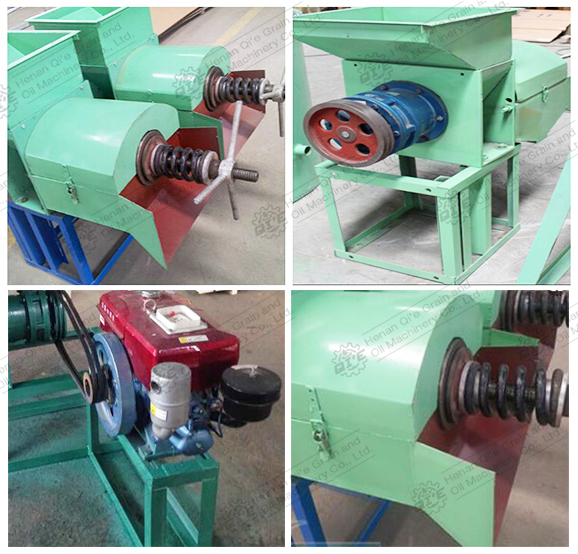
As the sunflower oil industry continues to evolve, staying competitive requires embracing technological innovation. The question isn't whether to upgrade, but when and how to do it strategically. 让每滴油都更高效、更环保 (Making every drop of oil more efficient and environmentally friendly) isn't just a slogan—it's becoming the industry standard.
Whether you're considering a complete line upgrade or targeted improvements to specific processes, the key is to evaluate your current operations against industry benchmarks and future requirements. 抢占未来油厂智能化红利 (Seizing the intelligent dividend of future oil mills) requires forward-thinking investment in technology that delivers both immediate operational benefits and long-term sustainability.
Discover how Qie Group's intelligent automation solutions can boost your efficiency, reduce costs, and ensure compliance with environmental regulations.
Get Your Customized Production Line AssessmentEvery oil mill faces unique challenges based on its location, scale, and market focus. By partnering with experienced technology providers like Qie Group, you can navigate the complex landscape of equipment upgrades and digital transformation with confidence, ensuring your business remains competitive in the rapidly evolving global sunflower oil market.
 soybean oil refining equipment
modular oil refinery plant
automatic oil refining control system
refined soybean oil quality monitoring
equipment installation and commissioning
sunflower oil filtration equipment selection
industrial oil purifier capacity matching
food-grade stainless steel filtration equipment
ISO certified oil processing equipment
sunflower oil production equipment guide
sunflower oil impurity removal
centrifugal purifier operation
sunflower oil processing
edible oil purification technology
food-grade centrifugal separator
automatic peanut oil production line maintenance
peanut oil equipment troubleshooting
high oil residue solution
cold and hot pressing peanut oil equipment
peanut oil production line inspection checklist
sunflower seed oil pressing line
cold press vs hot press
oil processing equipment selection
intelligent oil press equipment
energy-saving oil extraction technology
soybean oil refining equipment
modular oil refinery plant
automatic oil refining control system
refined soybean oil quality monitoring
equipment installation and commissioning
sunflower oil filtration equipment selection
industrial oil purifier capacity matching
food-grade stainless steel filtration equipment
ISO certified oil processing equipment
sunflower oil production equipment guide
sunflower oil impurity removal
centrifugal purifier operation
sunflower oil processing
edible oil purification technology
food-grade centrifugal separator
automatic peanut oil production line maintenance
peanut oil equipment troubleshooting
high oil residue solution
cold and hot pressing peanut oil equipment
peanut oil production line inspection checklist
sunflower seed oil pressing line
cold press vs hot press
oil processing equipment selection
intelligent oil press equipment
energy-saving oil extraction technology




.png?x-oss-process=image/resize,h_100,m_lfit/format,webp)
.png?x-oss-process=image/resize,h_100,m_lfit/format,webp)
.png?x-oss-process=image/resize,h_100,m_lfit/format,webp)



.jpg?x-oss-process=image/resize,m_fill,h_800,w_800/format,webp)