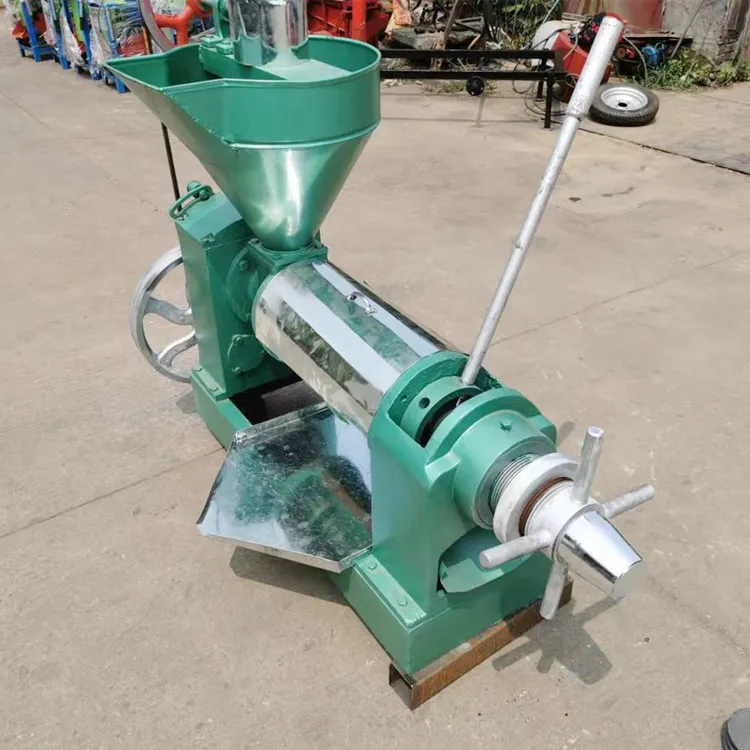
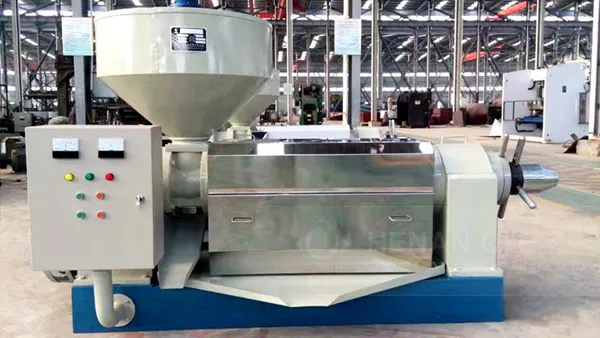
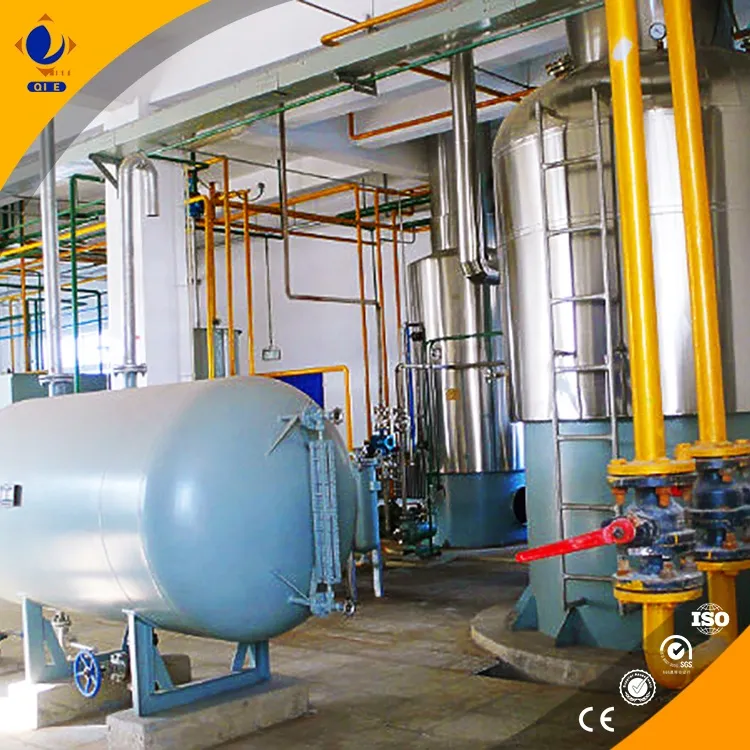
As a small-scale oil mill operator, you understand the frustration of inconsistent sunflower oil quality. One batch meets export standards with rich color and nutty flavor, the next fails sensory tests due to improper processing. The difference often lies in how you control your pressing parameters and maintain your equipment—critical factors that determine whether your oil meets international food safety requirements and retains its nutritional value.
Sunflower oil's market value depends heavily on its nutritional profile, particularly its vitamin E content and unsaturated fatty acids. Research conducted by the International Food Research Journal shows that temperature control during pressing directly impacts nutrient preservation. Their 2022 study demonstrated that pressing sunflower seeds at 45-50°C preserves up to 20% more vitamin E compared to traditional high-temperature methods (70°C+). This significant difference can elevate your product from a commodity to a premium health-conscious oil in export markets.
The optimal temperature range varies by seed variety and moisture content. For Ukrainian hybrid sunflower seeds (common in export production), maintaining 48-52°C during the pressing cycle delivers the ideal balance between oil yield and nutrient retention.
Your oil quality depends on balancing three interrelated factors:
Ideal moisture level: 6-8% for sunflower seeds. Too dry (below 5%) causes excessive friction and heat; too wet (above 9%) reduces oil yield by up to 12% and increases processing time.
Optimal pressure: 25-30 MPa for cold pressing. Gradual pressure application (ramping over 3-5 minutes) reduces seed damage and oil oxidation compared to sudden pressure increases.
Maintain 45-55°C throughout pressing. Monitor temperature at three points: pre-heating, pressing chamber, and immediate post-pressing cooling to prevent heat-induced nutrient degradation.
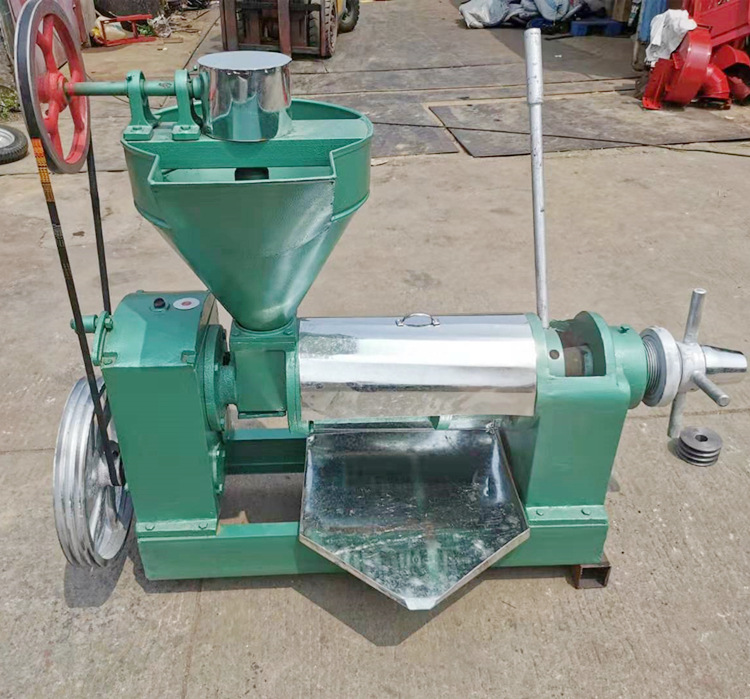
Before investing in laboratory testing, you can perform these simple yet effective quality checks right in your facility:
For basic quality verification, the peroxide value test is essential. Using affordable test kits available from food testing suppliers, you can measure oxidation levels. Export markets typically require peroxide values below 5 meq/kg for premium classification.
Even with perfect process parameters, neglected equipment will undermine your quality efforts. A study by the European Federation of Oilseed Processors found that regular maintenance reduces production variability by 35% and extends equipment lifespan by 40%.
| Component | Maintenance Task | Frequency |
|---|---|---|
| Press Filters | Clean with hot water (60-70°C) and mild detergent | After each 8-hour production run |
| Sealing Gaskets | Inspect for wear and replace if showing cracks | Daily before startup |
| Temperature Sensors | Calibrate against reference thermometer | Every 3 days |
| Pressure Gauges | Verify accuracy with test gauge | Weekly |
Many small-scale producers underestimate the impact of worn seals and filters on oil quality. A single cracked seal can introduce contaminants that fail export inspection, while clogged filters increase pressure requirements and heat generation—creating a vicious cycle of quality degradation.
When you notice quality problems, use this diagnostic framework to identify solutions quickly:
Problem: Darkened oil with strong flavor
Potential Cause: Excessive pressing temperature (above 60°C) or overprocessed seeds
Solution: Verify temperature sensor accuracy, reduce pressing time by 15%, and check seed moisture content
Problem: Low oil yield with high sediment
Potential Cause: Dull pressing screws or improper seed preparation
Solution: Sharpen screws (should be done every 300 hours of operation) and adjust seed moisture to 7-8%
What quality challenges have you encountered in your sunflower oil production? Share your experiences or questions in the comments section below—our technical team responds to all inquiries within 48 hours.
Our precision temperature-controlled pressing equipment helps producers increase vitamin E retention by up to 20% while ensuring consistent quality batch after batch.
Discover Export-Grade Pressing SolutionsRemember: Consistent quality starts with precise process control and regular equipment maintenance. By implementing these practices, you'll not only meet but exceed international standards, opening doors to premium export markets.
 soybean oil refining equipment
modular oil refinery plant
automatic oil refining control system
refined soybean oil quality monitoring
equipment installation and commissioning
sunflower oil quality control
sensory evaluation for sunflower oil
physicochemical indicators acid value peroxide value
cold pressing temperature control
export grade sunflower oil compliance
soybean oil refining equipment
modular oil refinery plant
automatic oil refining control system
refined soybean oil quality monitoring
equipment installation and commissioning
sunflower oil quality control
sensory evaluation for sunflower oil
physicochemical indicators acid value peroxide value
cold pressing temperature control
export grade sunflower oil compliance


.png?x-oss-process=image/resize,h_100,m_lfit/format,webp)
.png?x-oss-process=image/resize,h_100,m_lfit/format,webp)
.png?x-oss-process=image/resize,h_100,m_lfit/format,webp)