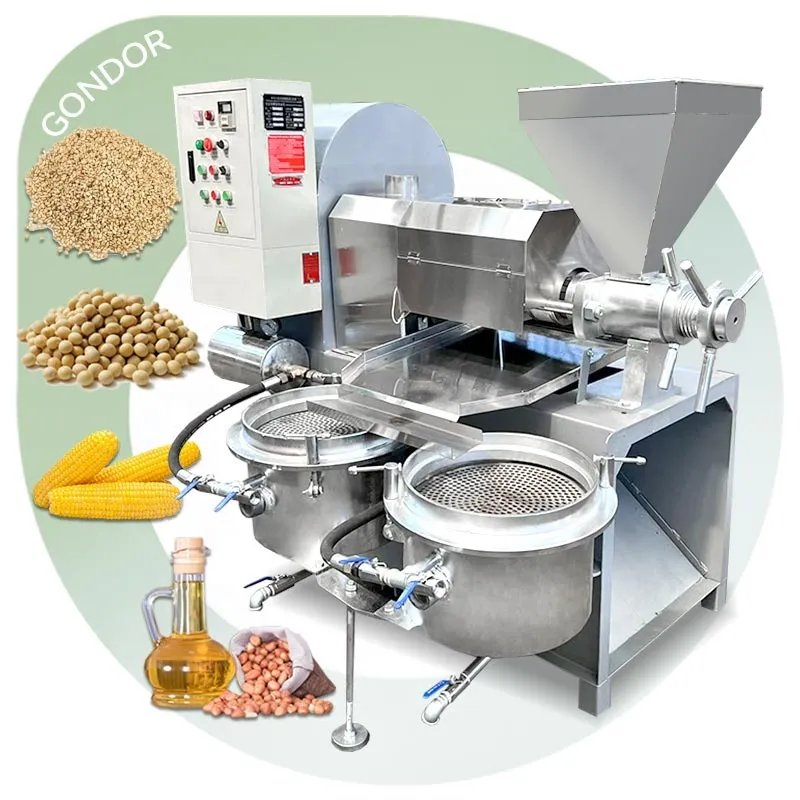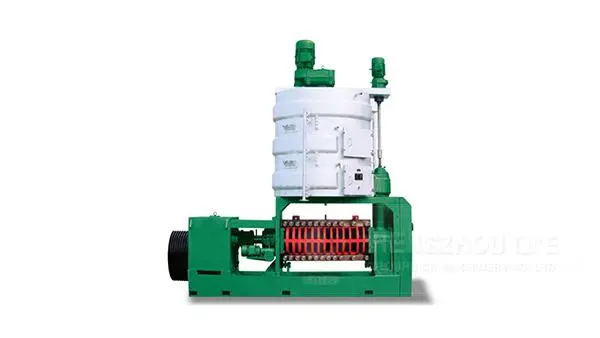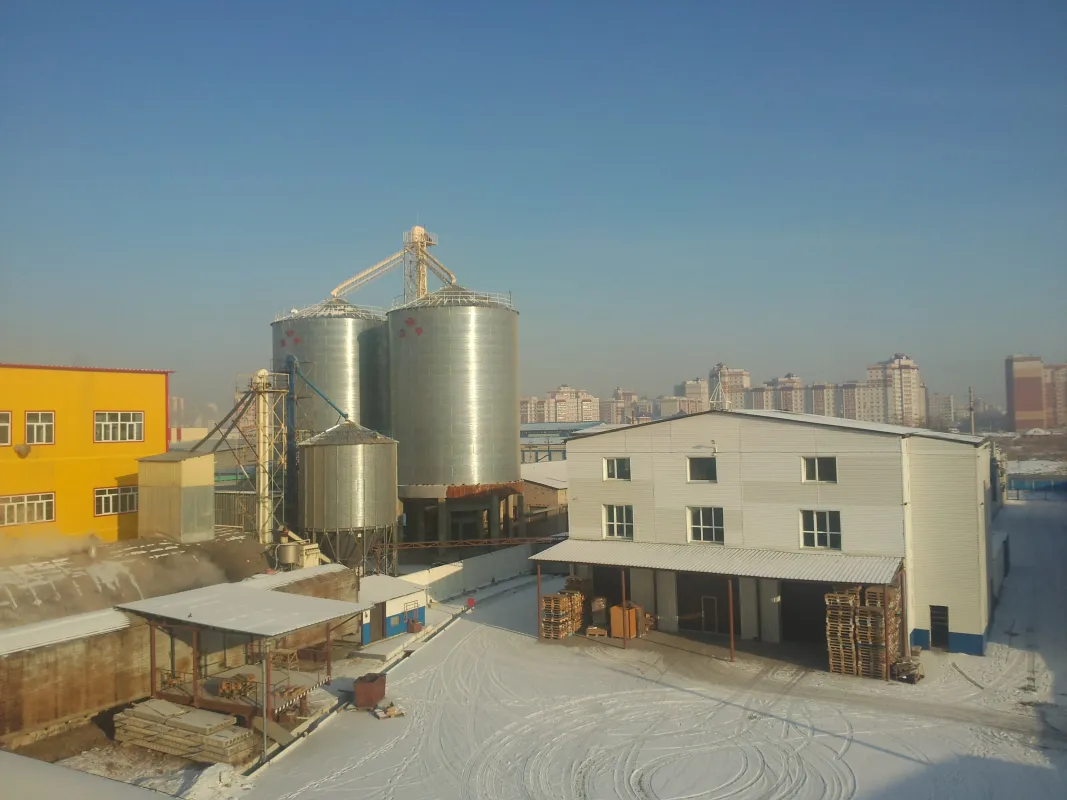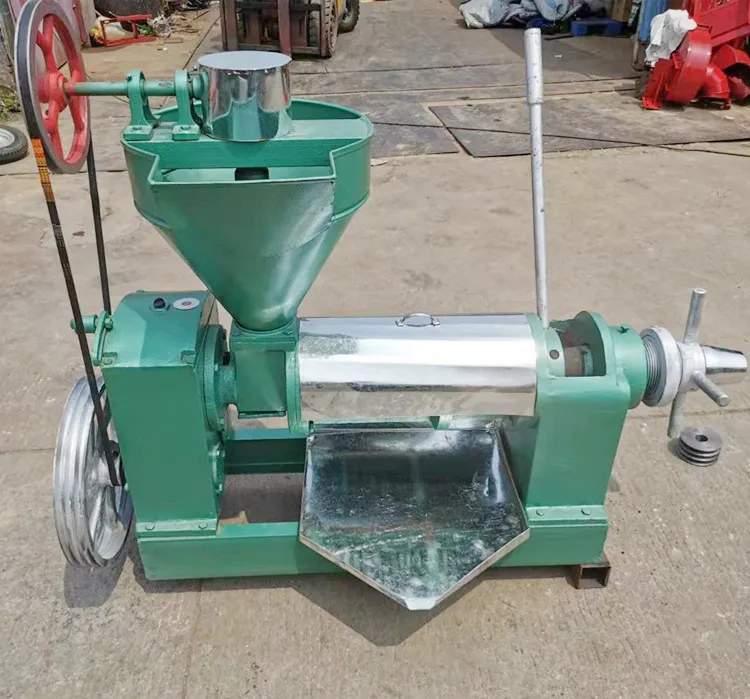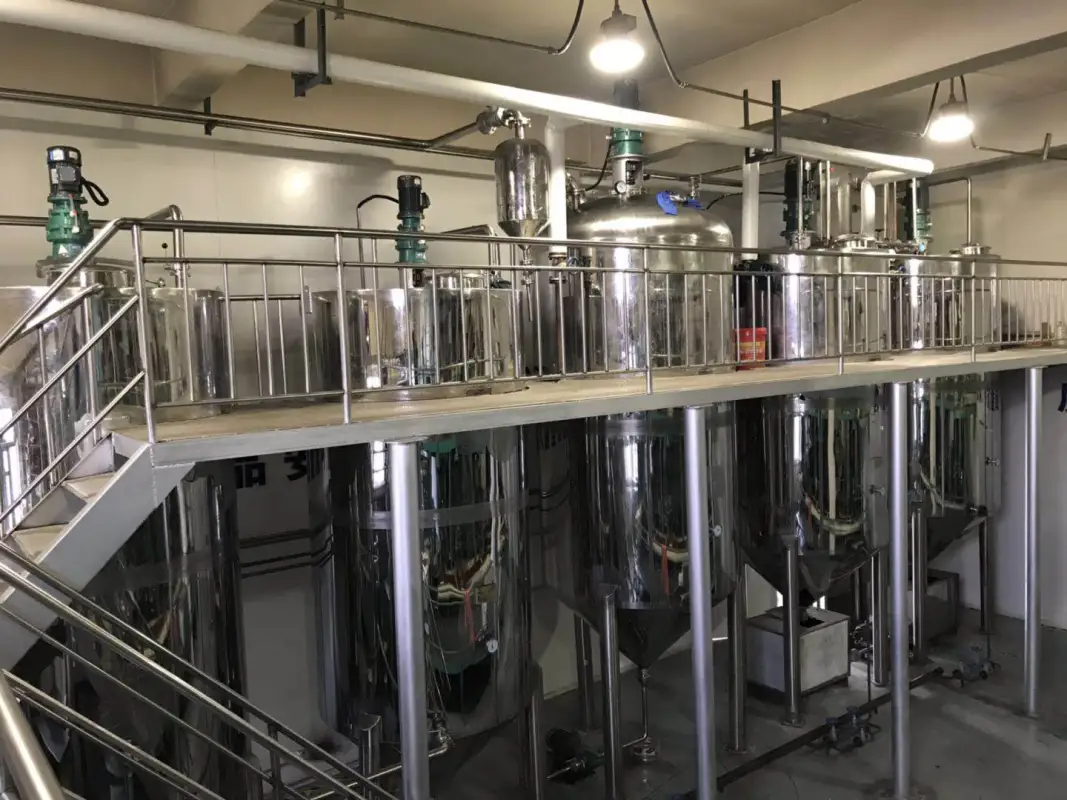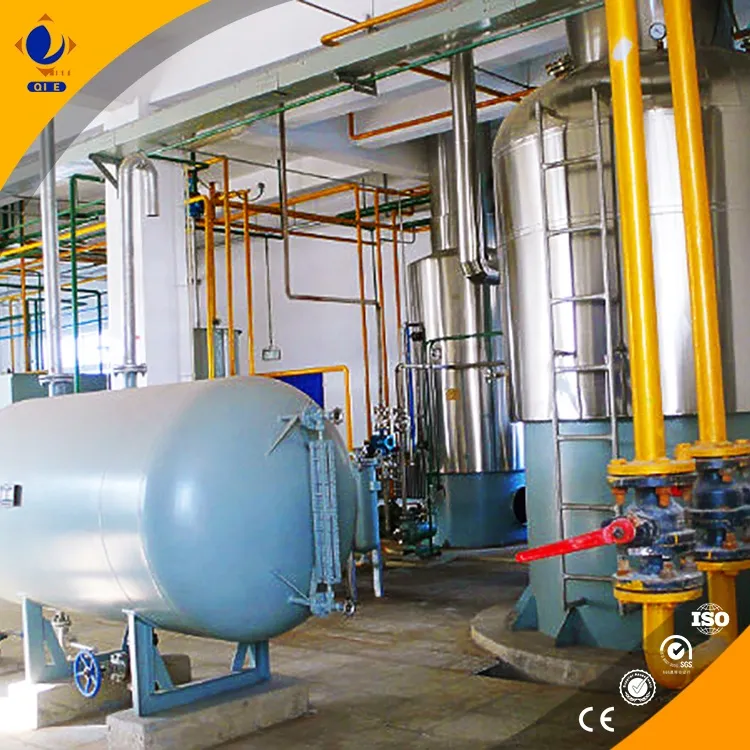
In the edible oil processing industry, the quality of finished products directly depends on the efficiency of impurity removal. Sunflower oil, known for its light flavor and high nutritional value, requires meticulous purification to meet international food safety standards. This article explores the various impurity types in sunflower oil processing and examines the most effective removal technologies, with a special focus on centrifugal separation technology that has revolutionized the industry.
Sunflower oil impurities can be categorized into several distinct types, each presenting unique challenges during processing:
Each impurity type requires specific treatment, and modern processing facilities often implement multiple purification stages to achieve the desired oil quality. The presence of these impurities not only affects product appearance but also impacts shelf stability, flavor, and nutritional value—critical factors for consumer acceptance and regulatory compliance.
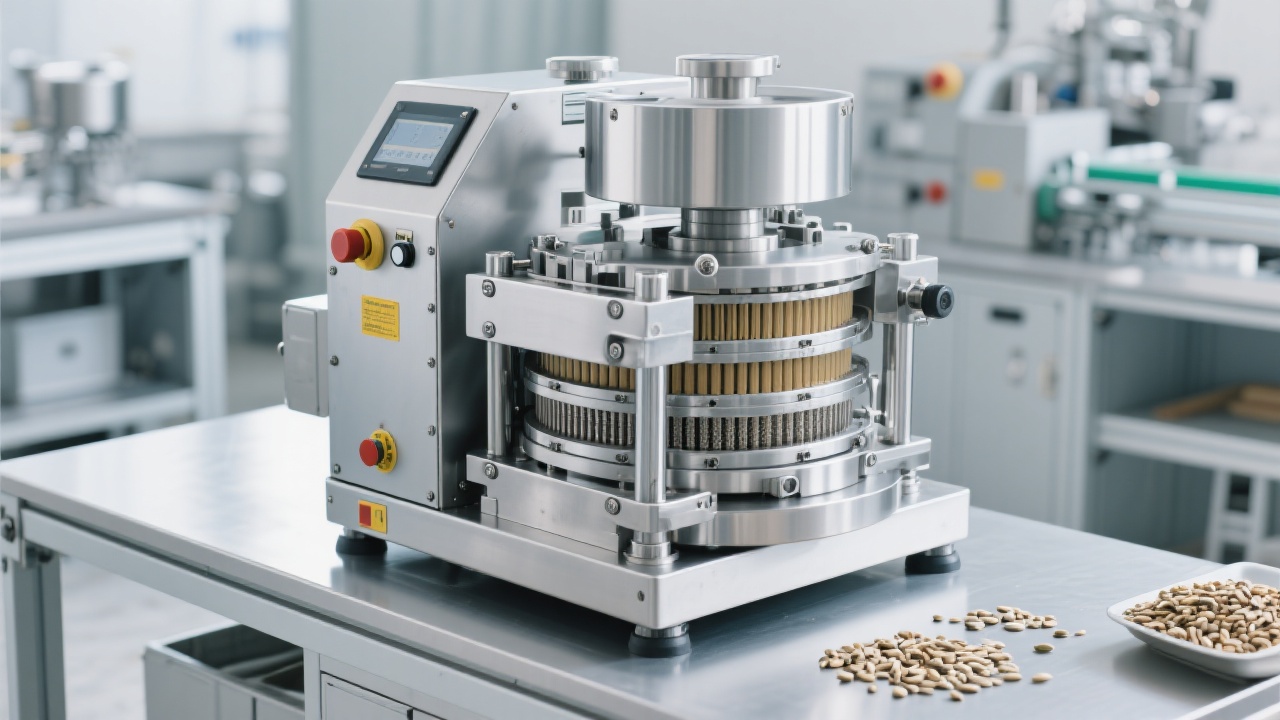
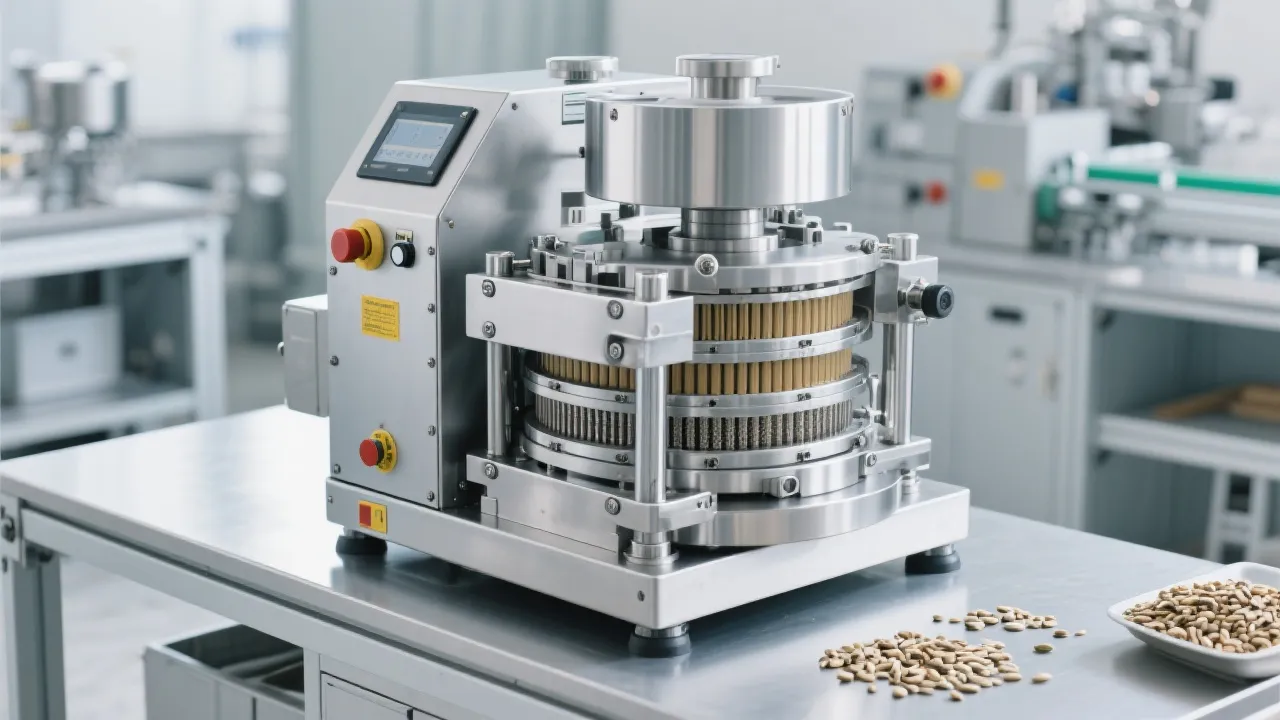
Oil processors have several technologies at their disposal for impurity removal, each with distinct advantages depending on production scale, oil quality requirements, and budget constraints:
| Purification Method | Efficiency Level | Energy Consumption | Ideal Application |
|---|---|---|---|
| Sedimentation | Low (60-70%) | Low | Preliminary separation, small-scale operations |
| Filtration | Medium (80-85%) | Medium | Removal of larger particulates, post-centrifugation polishing |
| Adsorption | High (90-95%) | High | Color and flavor refinement, specialty oils |
| Centrifugal Separation | Very High (95-99%) | Medium-High | Continuous large-scale processing, high-efficiency requirements |
While traditional methods like sedimentation and basic filtration have their place in simple processing lines, modern oil mills increasingly turn to centrifugal separation for its superior efficiency and continuous operation capabilities. Centrifugal technology can process up to 50,000 liters per hour in industrial models, making it ideal for large-scale production facilities aiming for consistent quality and high throughput.
Centrifugal separation works on the principle of density differences between oil and impurities, utilizing high rotational speeds to create centrifugal force thousands of times stronger than gravity. This technology effectively separates even minute particles and colloidal impurities that other methods might miss.
To achieve maximum purification efficiency with centrifugal systems, operators should focus on these critical factors:
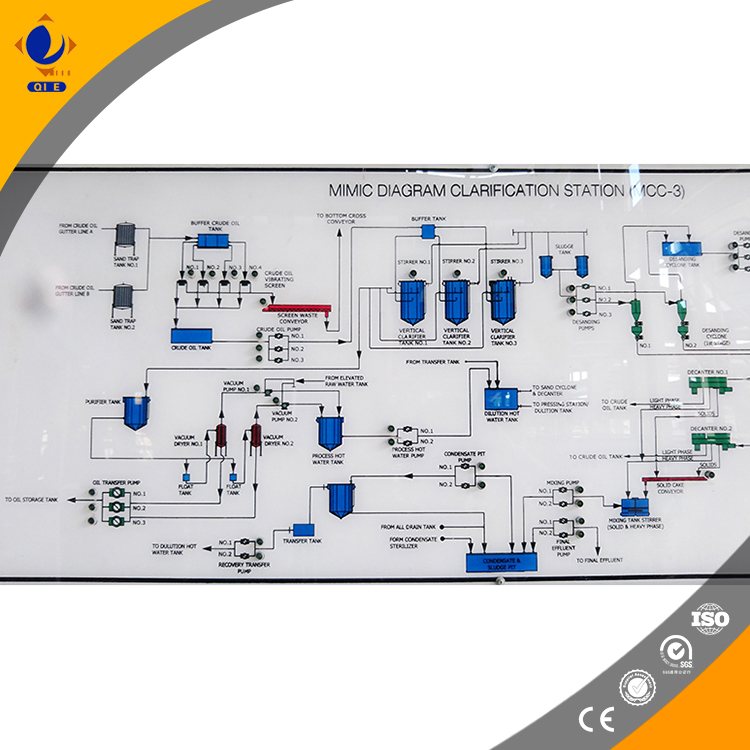
Regular maintenance is crucial for ensuring consistent performance and extending equipment lifespan. Industry data shows that mills implementing scheduled maintenance programs experience 35% fewer unplanned downtime incidents and 20% longer equipment life compared to reactive maintenance approaches.
Essential maintenance tasks include daily inspection of seals and gaskets, weekly cleaning of bowl assemblies, and monthly lubrication of bearings. Annual comprehensive overhauls should include checking rotor balance and replacing worn parts before they cause catastrophic failures.
Even with proper maintenance, operators may encounter challenges. Here are solutions to typical problems:
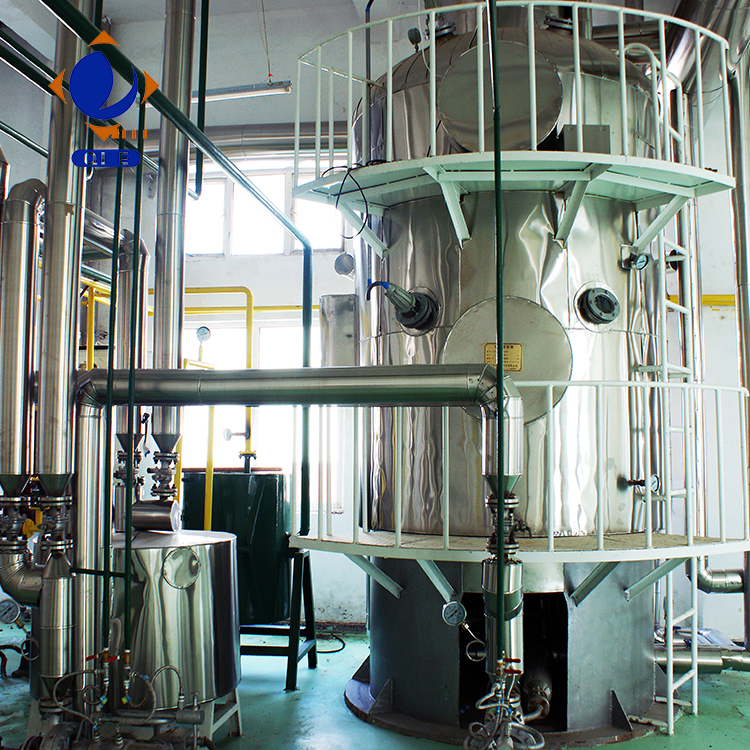
For processors aiming to meet the highest international standards, investing in advanced centrifugal purification technology delivers measurable returns. Modern systems not only remove 99% of impurities but also reduce processing time by up to 40% compared to traditional methods, significantly increasing production capacity without compromising quality.
企鹅集团 (QIE Group) has established itself as a leader in this field, offering state-of-the-art centrifugal sunflower oil purifiers designed for both efficiency and reliability. Their equipment incorporates food-grade stainless steel construction, ensuring compliance with strict hygiene standards while providing the durability needed for continuous industrial operation.
Discover how QIE Group centrifugal purification technology can提升 (enhance) your product quality while reducing operational costs.
Request a Technical ConsultationThis article is for informational purposes only and should not replace professional engineering advice. Always consult with qualified technical experts before implementing new processing technologies or making significant operational changes.
 soybean oil refining equipment
modular oil refinery plant
automatic oil refining control system
refined soybean oil quality monitoring
equipment installation and commissioning
sunflower oil quality control
sensory evaluation for sunflower oil
physicochemical indicators acid value peroxide value
cold pressing temperature control
export grade sunflower oil compliance
sunflower oil filtration equipment selection
industrial oil purifier capacity matching
food-grade stainless steel oil filter
ISO certified oil filtration machine
industrial sunflower oil purifier
sunflower oil pressing technology
oil press maintenance
oil quality testing
nutrient retention in oil pressing
small-scale oil processing equipment
sunflower oil filtration equipment selection
industrial oil purifier capacity matching
food-grade stainless steel filtration equipment
ISO certified oil processing equipment
sunflower oil production equipment guide
soybean oil refining equipment
modular oil refinery plant
automatic oil refining control system
refined soybean oil quality monitoring
equipment installation and commissioning
sunflower oil quality control
sensory evaluation for sunflower oil
physicochemical indicators acid value peroxide value
cold pressing temperature control
export grade sunflower oil compliance
sunflower oil filtration equipment selection
industrial oil purifier capacity matching
food-grade stainless steel oil filter
ISO certified oil filtration machine
industrial sunflower oil purifier
sunflower oil pressing technology
oil press maintenance
oil quality testing
nutrient retention in oil pressing
small-scale oil processing equipment
sunflower oil filtration equipment selection
industrial oil purifier capacity matching
food-grade stainless steel filtration equipment
ISO certified oil processing equipment
sunflower oil production equipment guide


.png?x-oss-process=image/resize,h_100,m_lfit/format,webp)
.png?x-oss-process=image/resize,h_100,m_lfit/format,webp)
.png?x-oss-process=image/resize,h_100,m_lfit/format,webp)