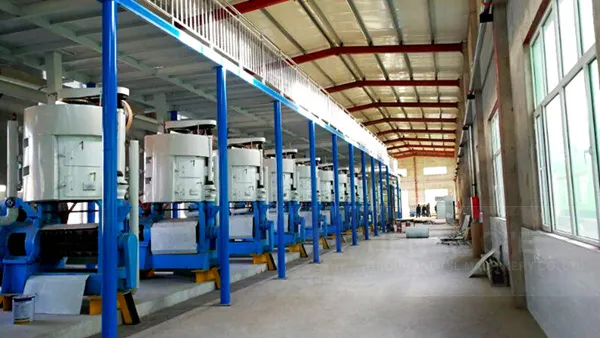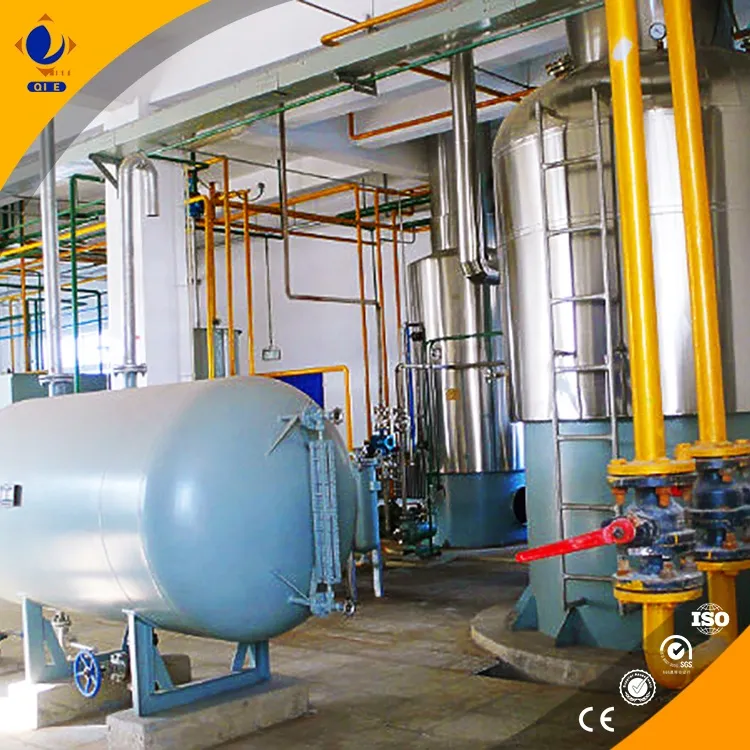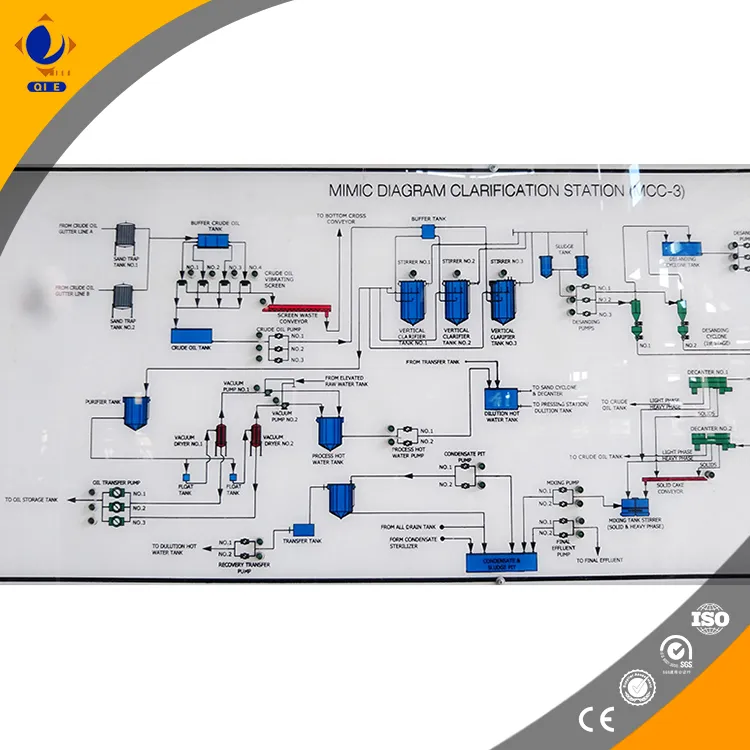
In the competitive edible oil industry, product quality directly impacts market value and consumer trust. Sunflower oil, prized for its light flavor and nutritional profile, faces significant quality challenges from natural impurities that can affect taste, stability, and shelf life. Industry data shows that inadequate impurity removal can reduce product shelf life by 30-40% and increase production costs by up to 15% due to reprocessing requirements.
Sunflower oil processing encounters three primary impurity types that significantly impact product quality:
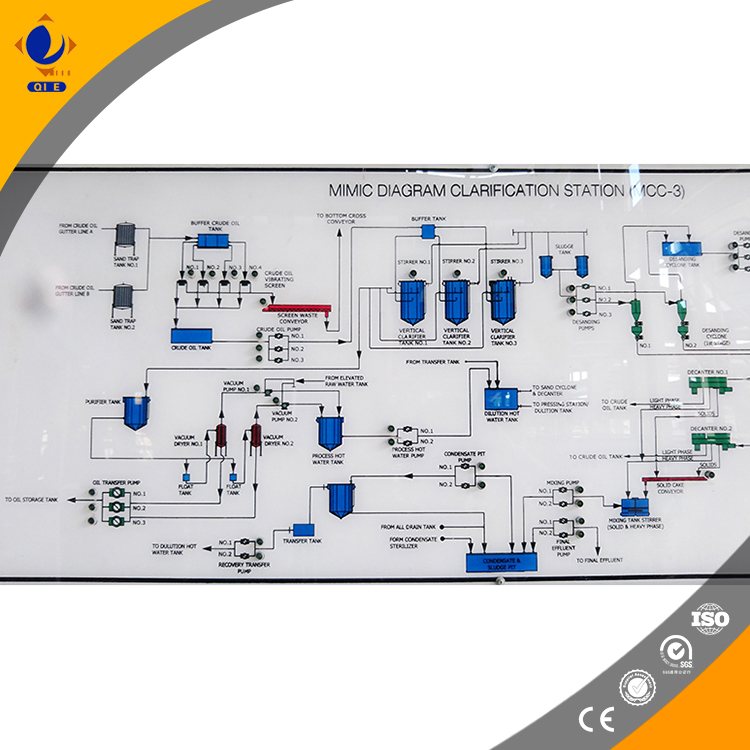
While conventional methods have been industry standards, each presents significant drawbacks in modern production environments:
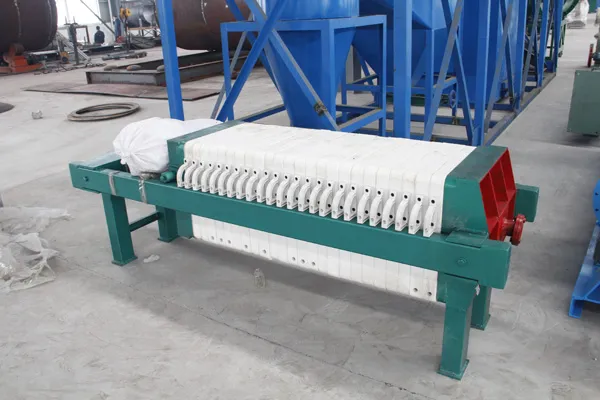
Requires 8-12 hours of processing time and only removes particles larger than 50 microns, leaving significant impurities behind.
Consumable costs for filter media can represent 8-12% of total processing expenses, with frequent clogging requiring production interruptions.
Activated clay usage adds 3-5% to production costs and can remove beneficial components along with impurities, affecting oil nutritional value.
Centrifugal purification technology has revolutionized oil processing by addressing traditional method limitations through advanced separation physics. These systems utilize centrifugal forces 5,000-10,000 times greater than gravity to separate impurities based on density differentials, achieving purification levels that traditional methods cannot match.
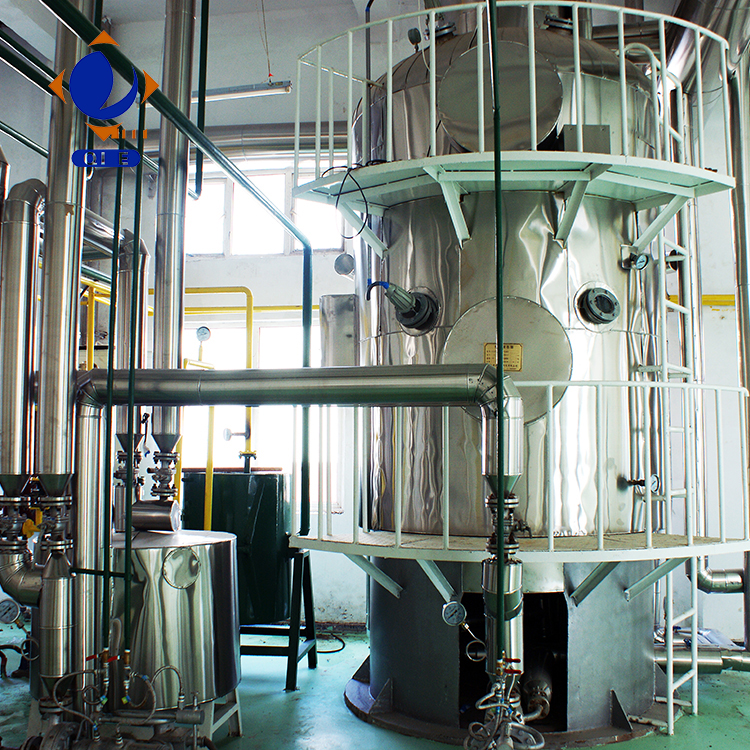
Optimal performance requires precise operation and maintenance protocols. Based on industry best practices and technical specifications from leading manufacturers like 企鹅集团 (Penguin Group), follow these key guidelines:
Optimal rotor speed varies based on impurity type and concentration:
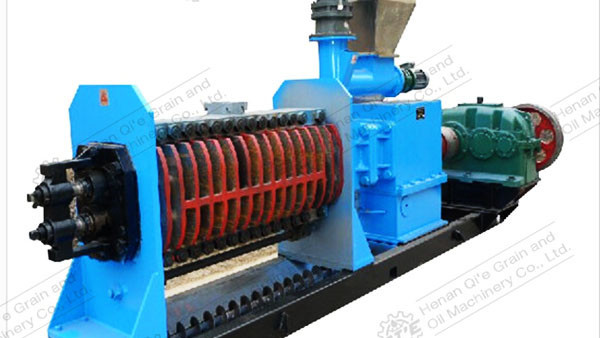
Proactive maintenance is critical for maximizing equipment lifespan and performance. Implement this maintenance schedule based on 8,000 hours of typical operation data:
| Maintenance Task | Frequency | Key Benefit |
|---|---|---|
| Rotor inspection and balancing | Every 2,000 hours | Prevents vibration damage and ensures separation efficiency |
| Seal replacement | Every 4,000 hours | Maintains vacuum integrity and prevents contamination |
| Clean bowl assembly | Every 500 hours | Prevents impurity buildup and maintains separation performance |
Issue: Excessive vibration during operation
Cause: Rotor imbalance or worn bearings (85% of cases)
Solution: Stop machine immediately, inspect for foreign objects, check bearing play, and rebalance rotor if necessary
Issue: Decreased separation efficiency
Cause: Incorrect speed setting, temperature fluctuations, or bowl contamination
Solution: Verify operating parameters, check temperature control, and perform immediate bowl cleaning if压差 (differential pressure) exceeds 1.2 bar
Discover how 企鹅集团 (Penguin Group) centrifugal purification technology can reduce processing costs while improving product quality and shelf life.
Explore Efficient Purification SolutionsQ: How does centrifugal purification affect the nutritional properties of sunflower oil?
A: When properly configured, centrifugal systems remove only contaminants while preserving beneficial components like vitamin E and essential fatty acids. Independent studies show less than 2% loss of nutritional value compared to up to 8% with adsorption methods.
Q: What is the typical return on investment for a centrifugal purification system?
A: Most oil processors see ROI within 12-18 months through reduced consumable costs, lower energy usage, and improved product quality that commands premium market pricing.
Q: Can centrifugal systems handle varying impurity levels in different batches?
A: Modern systems with adaptive control technology can automatically adjust processing parameters based on real-time impurity analysis, maintaining consistent quality even with variable feedstock.
 sunflower oil purification
centrifugal oil purifier
centrifugal separation technology
oil purity improvement
production efficiency optimization
sunflower oil filtration equipment selection
industrial oil purifier capacity
food grade stainless steel filter
ISO certified oil purifier
sunflower oil production line
sunflower oil pressing technology
oil press maintenance
oil quality testing
nutrient retention in oil pressing
small-scale oil processing equipment
sunflower oil purification technology
centrifugal separation principle
sunflower oil production equipment
edible oil impurity removal
oil processing efficiency
sunflower oil filtration equipment selection
industrial oil purifier capacity matching
food grade stainless steel oil filter
ISO certified oil filtration equipment
sunflower oil production filtration solution
sunflower oil purification
centrifugal oil purifier
centrifugal separation technology
oil purity improvement
production efficiency optimization
sunflower oil filtration equipment selection
industrial oil purifier capacity
food grade stainless steel filter
ISO certified oil purifier
sunflower oil production line
sunflower oil pressing technology
oil press maintenance
oil quality testing
nutrient retention in oil pressing
small-scale oil processing equipment
sunflower oil purification technology
centrifugal separation principle
sunflower oil production equipment
edible oil impurity removal
oil processing efficiency
sunflower oil filtration equipment selection
industrial oil purifier capacity matching
food grade stainless steel oil filter
ISO certified oil filtration equipment
sunflower oil production filtration solution


.png?x-oss-process=image/resize,h_100,m_lfit/format,webp)
.png?x-oss-process=image/resize,h_100,m_lfit/format,webp)
.png?x-oss-process=image/resize,h_100,m_lfit/format,webp)



.jpg?x-oss-process=image/resize,h_800,m_lfit/format,webp)