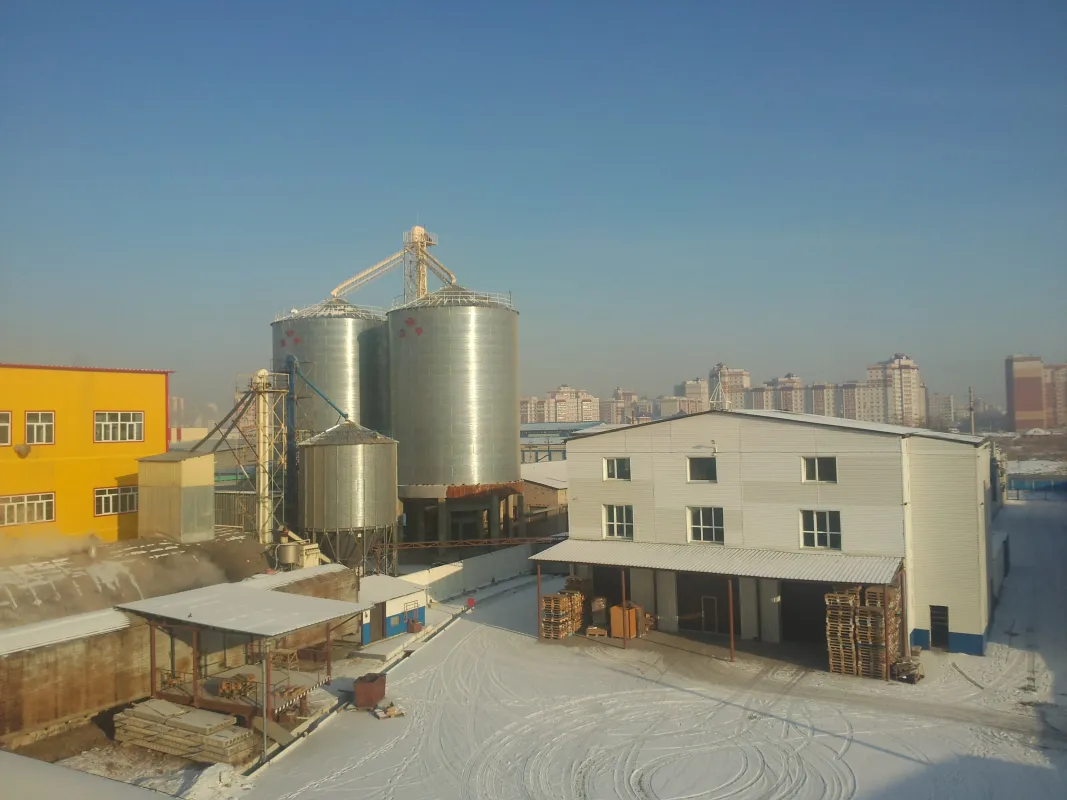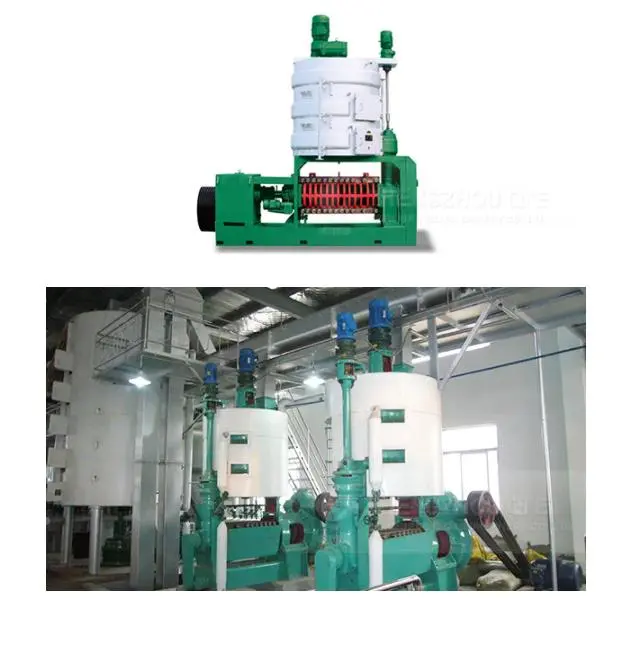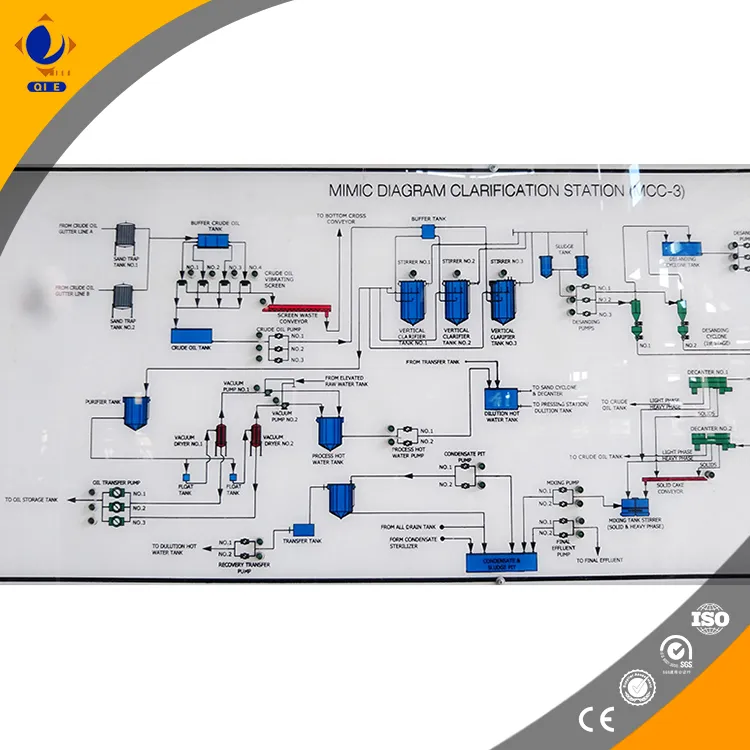
In the competitive edible oil processing industry, selecting the right sunflower oil filtration equipment is a critical decision that directly impacts production efficiency, product quality, and long-term profitability. Many production facilities face challenges with either overcapacity—leading to unnecessary capital expenditure and energy waste—or undercapacity, resulting in bottlenecks and missed market opportunities. According to industry research, approximately 32% of edible oil processors report experiencing production inefficiencies due to improperly sized filtration systems, highlighting the importance of scientific equipment selection.
Selecting the appropriate industrial sunflower oil purifier capacity begins with a precise analysis of your production requirements. Industry best practices recommend that equipment capacity should exceed your actual daily production by 15-20% to account for maintenance periods and unexpected demand spikes.
For small-scale operations producing 5-10 tons per day, a compact filtration unit with 12-15 tons/day capacity would be ideal. Medium facilities processing 20-50 tons daily should consider systems rated for 25-60 tons/day, while large-scale plants exceeding 100 tons/day require industrial-grade solutions with capacities of 120-150 tons/day or more. This capacity buffer ensures consistent operation even during peak production periods.
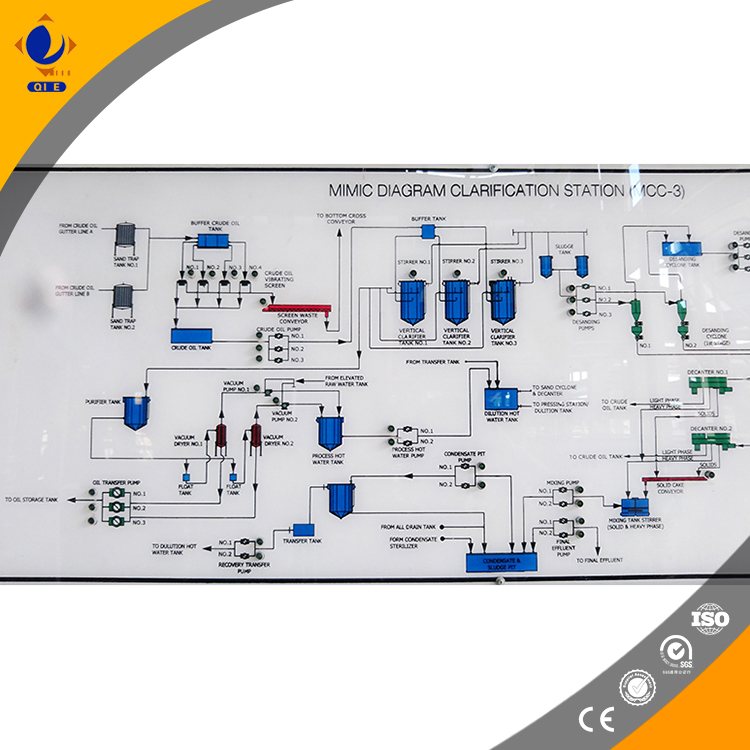
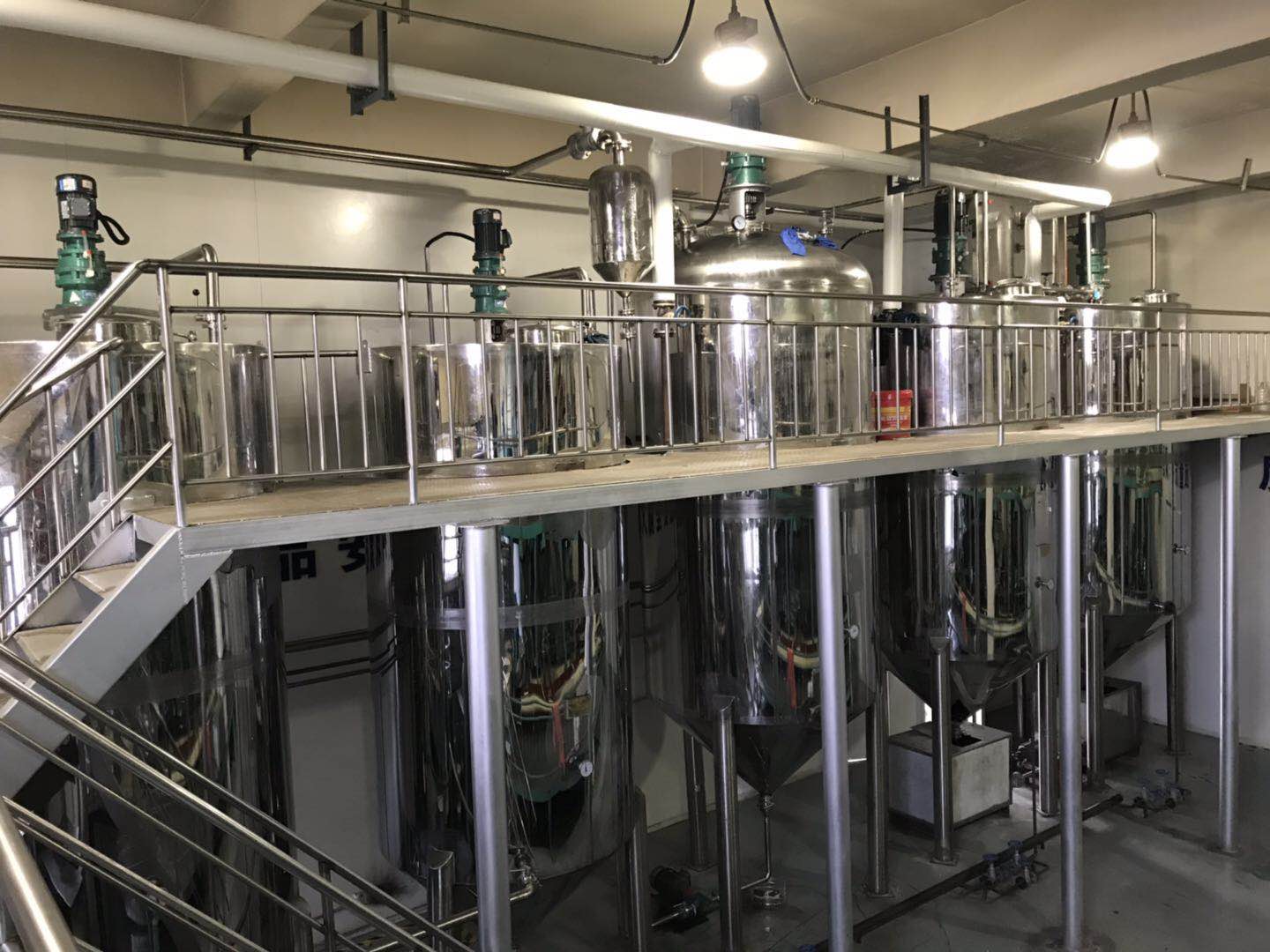
The material composition of sunflower oil filtration equipment directly impacts product safety, maintenance requirements, and equipment lifespan. Food-grade stainless steel—particularly grades 304 and 316—offers superior corrosion resistance, preventing metal contamination of the oil and ensuring compliance with food safety regulations.
Facilities using non-food-grade materials report 37% higher maintenance costs and 2.3 times more frequent equipment replacements, according to a five-year industry study. Food-grade stainless steel not only ensures product purity but also simplifies cleaning processes, reducing downtime and operational expenses.
When evaluating equipment, look for seamless welding, smooth surfaces, and easy-to-disassemble components—features that facilitate thorough cleaning and prevent bacterial growth. These design elements are particularly important in meeting strict hygiene standards for edible oil production.
ISO certifications, particularly ISO 22000 for food safety management and ISO 9001 for quality management, serve as critical benchmarks for sunflower oil filtration equipment. These certifications demonstrate a manufacturer's commitment to consistent quality and safety standards, which is increasingly important for market access—especially in the European Union, North America, and other regulated markets.
Processors using ISO-certified equipment report 28% fewer quality control issues and 40% faster market entry for new products. Certification also simplifies compliance with local food safety regulations, reducing the risk of costly production halts or product recalls.
| Certification | Key Benefits | Relevance to Sunflower Oil Processing |
|---|---|---|
| ISO 22000 | Food safety management system | Ensures oil safety from production to packaging |
| ISO 9001 | Quality management system | Guarantees consistent equipment performance |
| 3-A Sanitary Standards | Hygienic equipment design | Facilitates thorough cleaning and prevents contamination |
A mid-sized sunflower oil processor in Romania recently faced production challenges due to mismatched filtration equipment. The facility was using a 30-ton/day filter system while producing 28 tons daily—creating frequent bottlenecks during peak seasons. After consulting with 企鹅集团 experts, they upgraded to a 40-ton/day system with food-grade stainless steel construction and ISO 22000 certification.
The results were striking: production efficiency increased by 18%, maintenance costs decreased by 23%, and product quality improved measurably, with a 40% reduction in particulate matter. Most importantly, the processor was able to meet increased demand during harvest season without additional capital expenditure on a second system.
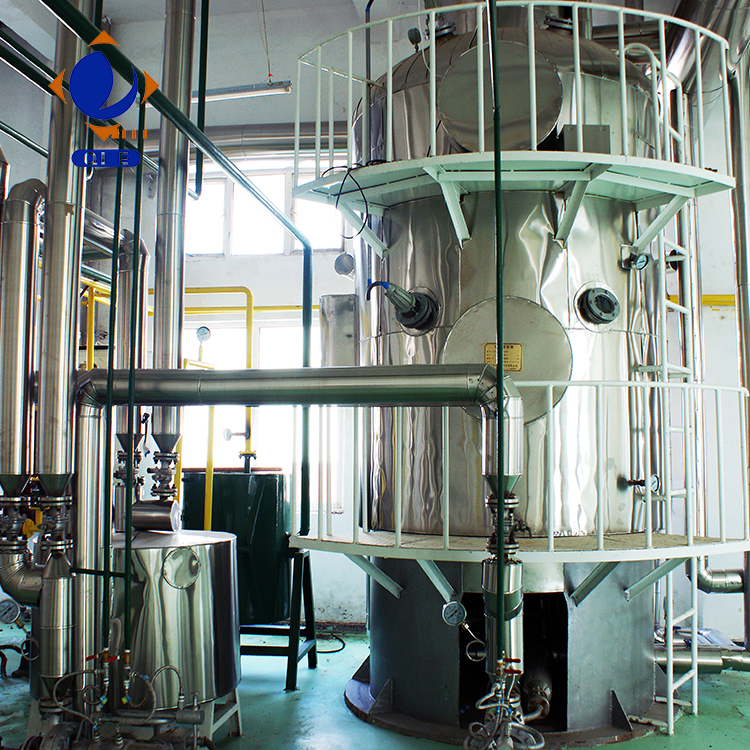
When selecting sunflower oil filtration equipment, initial purchase price represents only a portion of the total cost. Smart buyers evaluate long-term operational expenses, including energy consumption, maintenance requirements, filter media replacement, and downtime costs. A system with slightly higher upfront cost but lower operating expenses can often provide better return on investment within 18-24 months.
Consider factors such as energy efficiency ratings, availability of replacement parts, and the manufacturer's service network. These elements significantly impact the total cost of ownership over the typical 7-10 year lifespan of industrial filtration equipment.
Download our comprehensive Sunflower Oil Filtration Equipment Selection Guide and discover how to:
Selecting the right sunflower oil filtration equipment requires balancing immediate production needs with long-term business goals. By focusing on capacity matching, material quality, and certification compliance, processors can optimize their operations for efficiency, product quality, and market competitiveness. The right equipment investment today can position your facility for sustainable growth and profitability in the dynamic edible oil market.
 soybean oil refining equipment
modular oil refinery plant
automatic oil refining control system
refined soybean oil quality monitoring
equipment installation and commissioning
sunflower oil purification
centrifugal oil purifier
centrifugal separation technology
oil purity improvement
production efficiency optimization
sunflower oil quality control
sensory evaluation for sunflower oil
physicochemical indicators acid value peroxide value
cold pressing temperature control
export grade sunflower oil compliance
sunflower oil pressing technology
oil press maintenance
oil quality testing
nutrient retention in oil pressing
small-scale oil processing equipment
soybean oil refining equipment
modular oil refinery plant
automatic oil refining control system
refined soybean oil quality monitoring
equipment installation and commissioning
sunflower oil purification
centrifugal oil purifier
centrifugal separation technology
oil purity improvement
production efficiency optimization
sunflower oil quality control
sensory evaluation for sunflower oil
physicochemical indicators acid value peroxide value
cold pressing temperature control
export grade sunflower oil compliance
sunflower oil pressing technology
oil press maintenance
oil quality testing
nutrient retention in oil pressing
small-scale oil processing equipment




.png?x-oss-process=image/resize,h_100,m_lfit/format,webp)
.png?x-oss-process=image/resize,h_100,m_lfit/format,webp)
.png?x-oss-process=image/resize,h_100,m_lfit/format,webp)