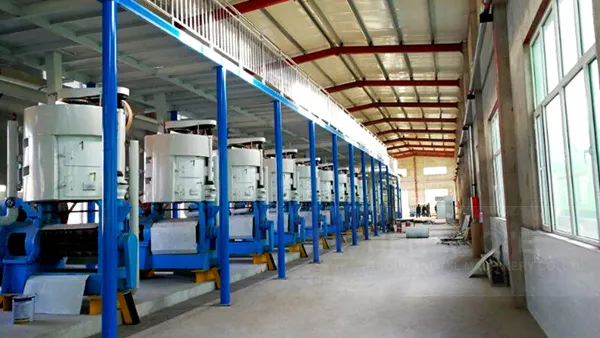
As a procurement or technical director in the edible oil processing industry, you understand that choosing the right industrial sunflower oil filtration equipment is not just a purchase decision—it's an investment in your production efficiency, product quality, and long-term profitability. Making the wrong choice can lead to costly downtime, subpar oil quality, and regulatory compliance issues. Let's navigate this critical decision together.
The first rule of equipment selection is simple: your filtration system must match your production volume. Over-sizing leads to unnecessary capital expenditure and higher operating costs, while under-sizing creates bottlenecks that limit your output potential.
"After upgrading to a properly sized filtration system from Penguin Group, our production efficiency increased by 32% while reducing energy consumption by 18%," reported a sunflower oil producer in Ukraine processing 15,000 liters daily.

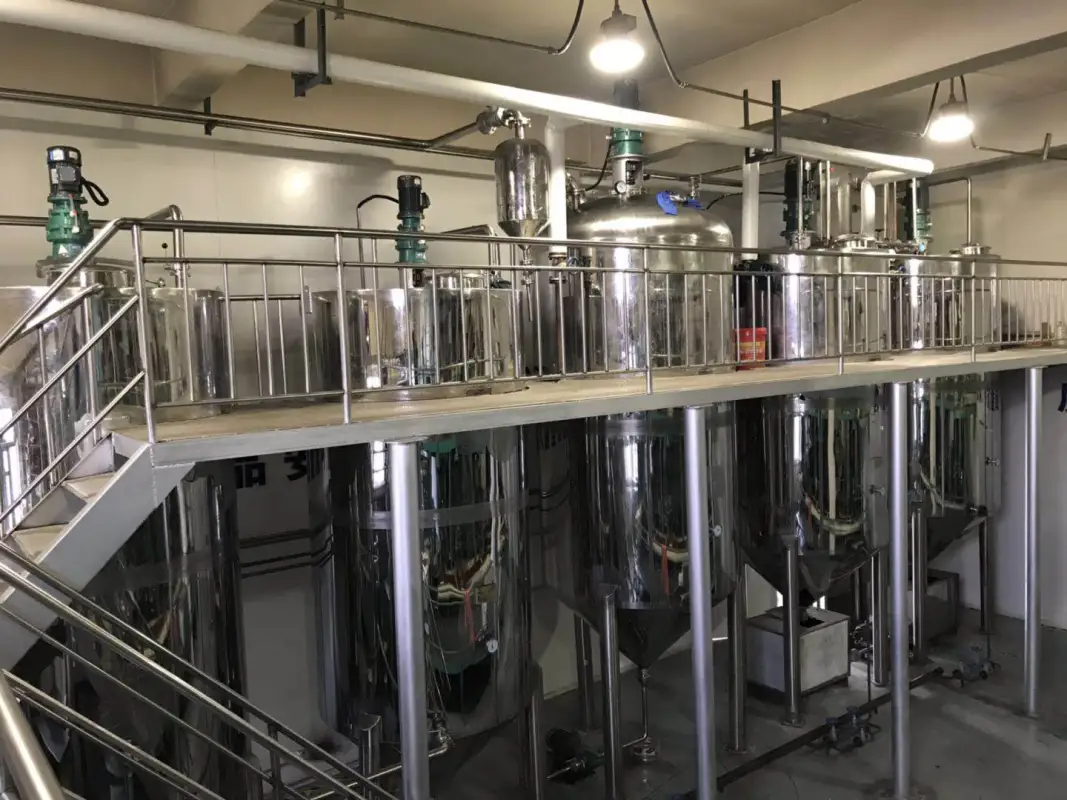
When it comes to food processing equipment, material selection directly impacts product safety, equipment longevity, and maintenance requirements. Food-grade stainless steel—typically 304 or 316 grade—stands as the industry standard for compelling reasons:
Resists acidic compounds in sunflower oil and cleaning agents, preventing metal contamination and extending equipment lifespan by 5-8 years compared to carbon steel alternatives.
Non-porous surface prevents bacterial growth and allows for thorough cleaning, reducing contamination risks and ensuring compliance with food safety standards.
Investing in lower-grade materials may save upfront costs but often leads to premature equipment failure and potential product quality issues. A leading European food safety audit found that facilities using non-food-grade materials were 3.5 times more likely to fail hygiene inspections.
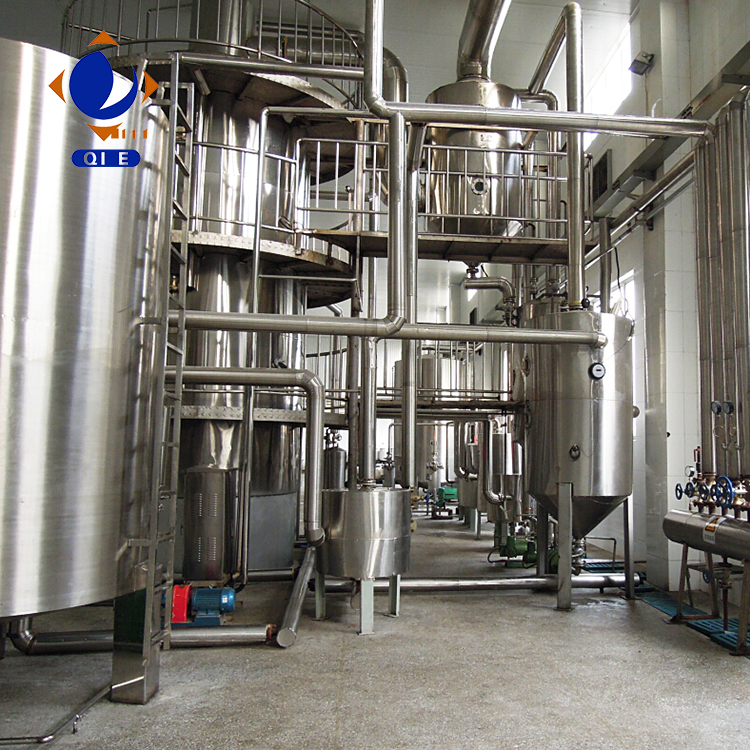
In today's interconnected global marketplace, ISO certification is no longer optional for serious manufacturers. For sunflower oil filtration equipment, ISO 22000 (Food Safety Management) and ISO 9001 (Quality Management) certifications demonstrate your commitment to consistent quality and safety.
When evaluating suppliers, verify that their certification covers the specific equipment models you're considering, not just the company in general. Penguin Group's entire range of sunflower oil filtration systems comes with full ISO 22000 and ISO 9001 certification, ensuring compliance across global markets.
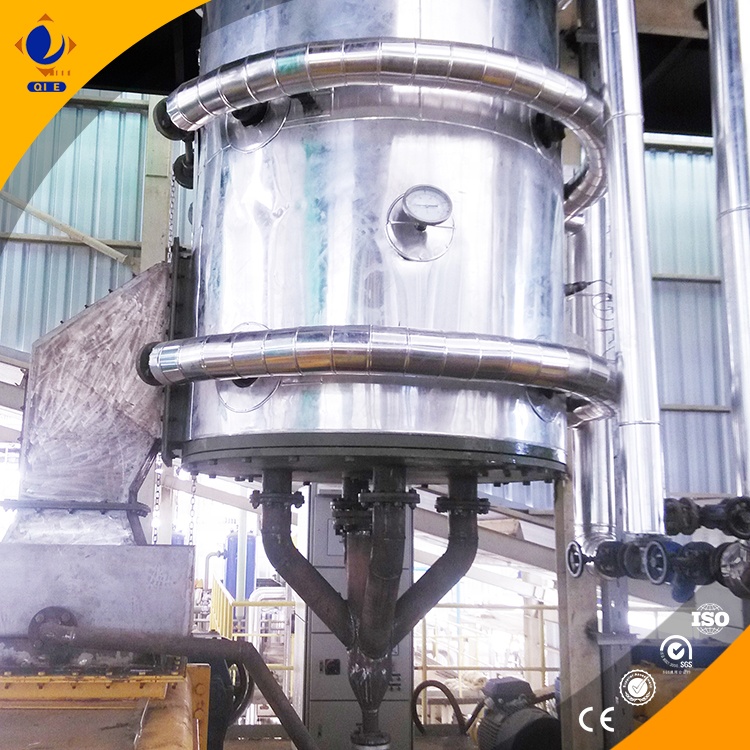
While technical specifications are critical, several often-overlooked factors can determine your long-term satisfaction with your filtration equipment investment:
Look for suppliers with at least 10 years of industry experience and a proven track record in your specific production volume range. Evaluate their technical support responsiveness—ideally offering 24/7 emergency support and local service technicians in your region.
Consider not just the purchase price, but also: filter replacement costs, energy consumption, maintenance requirements, and expected lifespan. A system with a 15% higher initial cost may actually save 30% or more over a 10-year lifecycle through lower operating expenses.
Get expert insights to avoid common pitfalls and optimize your filtration equipment investment
Access Your Free "Sunflower Oil Filtration Equipment Selection Whitepaper"Remember that the most expensive equipment isn't always the best choice, nor is the cheapest option necessarily the most economical. By carefully matching capacity to your production needs, prioritizing food-grade materials, ensuring proper certification, and evaluating total cost of ownership, you'll make a decision that enhances your operation's efficiency, product quality, and profitability for years to come. As you move forward in your selection process, consider scheduling a technical consultation with an experienced supplier who can conduct a comprehensive analysis of your specific requirements and recommend the optimal solution.
 soybean oil refining equipment
modular oil refinery plant
automatic oil refining control system
refined soybean oil quality monitoring
equipment installation and commissioning
sunflower oil purification
centrifugal oil purifier
centrifugal separation technology
oil purity improvement
production efficiency optimization
sunflower oil quality control
sensory evaluation for sunflower oil
physicochemical indicators acid value peroxide value
cold pressing temperature control
export grade sunflower oil compliance
sunflower oil pressing technology
oil press maintenance
oil quality testing
nutrient retention in oil pressing
small-scale oil processing equipment
sunflower oil purification
centrifugal separation technology
centrifugal purifier
QIE Group
food-grade oil processing
soybean oil refining equipment
modular oil refinery plant
automatic oil refining control system
refined soybean oil quality monitoring
equipment installation and commissioning
sunflower oil purification
centrifugal oil purifier
centrifugal separation technology
oil purity improvement
production efficiency optimization
sunflower oil quality control
sensory evaluation for sunflower oil
physicochemical indicators acid value peroxide value
cold pressing temperature control
export grade sunflower oil compliance
sunflower oil pressing technology
oil press maintenance
oil quality testing
nutrient retention in oil pressing
small-scale oil processing equipment
sunflower oil purification
centrifugal separation technology
centrifugal purifier
QIE Group
food-grade oil processing


.png?x-oss-process=image/resize,h_100,m_lfit/format,webp)
.png?x-oss-process=image/resize,h_100,m_lfit/format,webp)
.png?x-oss-process=image/resize,h_100,m_lfit/format,webp)