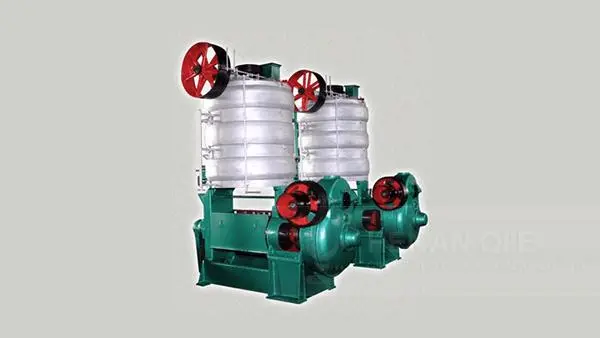
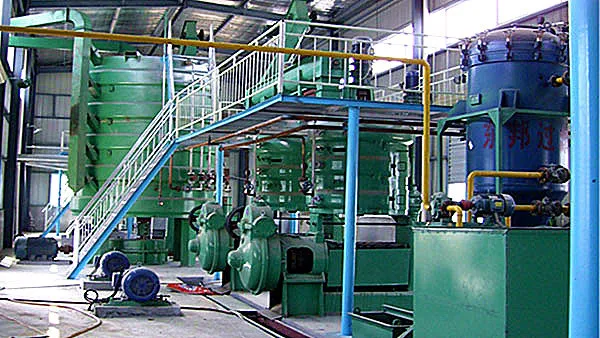
Selecting the right industrial sunflower oil filtration equipment is a critical decision that directly impacts your production efficiency, product quality, and bottom line. With over 15 years of experience in the edible oil processing industry, QIE Group has helped hundreds of oil mills optimize their filtration processes. This guide will walk you through the essential considerations to make an informed choice.
One of the most common mistakes manufacturers make is investing in equipment that doesn't align with their actual production needs. According to industry research, approximately 32% of small to medium-sized oil processors either over-invest in oversized equipment or face bottlenecks with undersized systems.
Production Scale Classification:
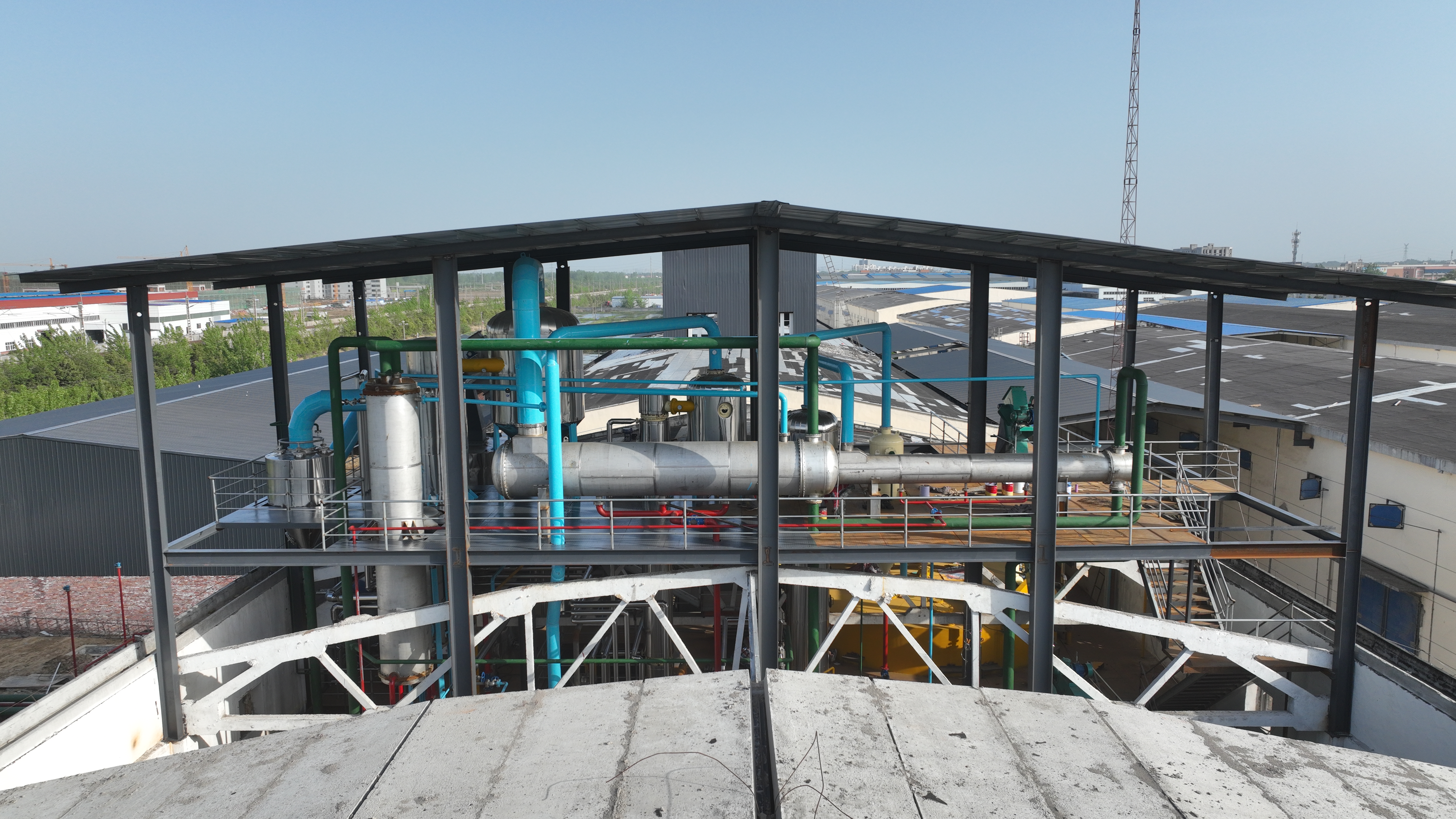
When determining the right capacity, consider not just your current needs but also future growth. Industry experts recommend selecting equipment that can handle 30-40% more capacity than your current maximum production to accommodate growth without immediate reinvestment.
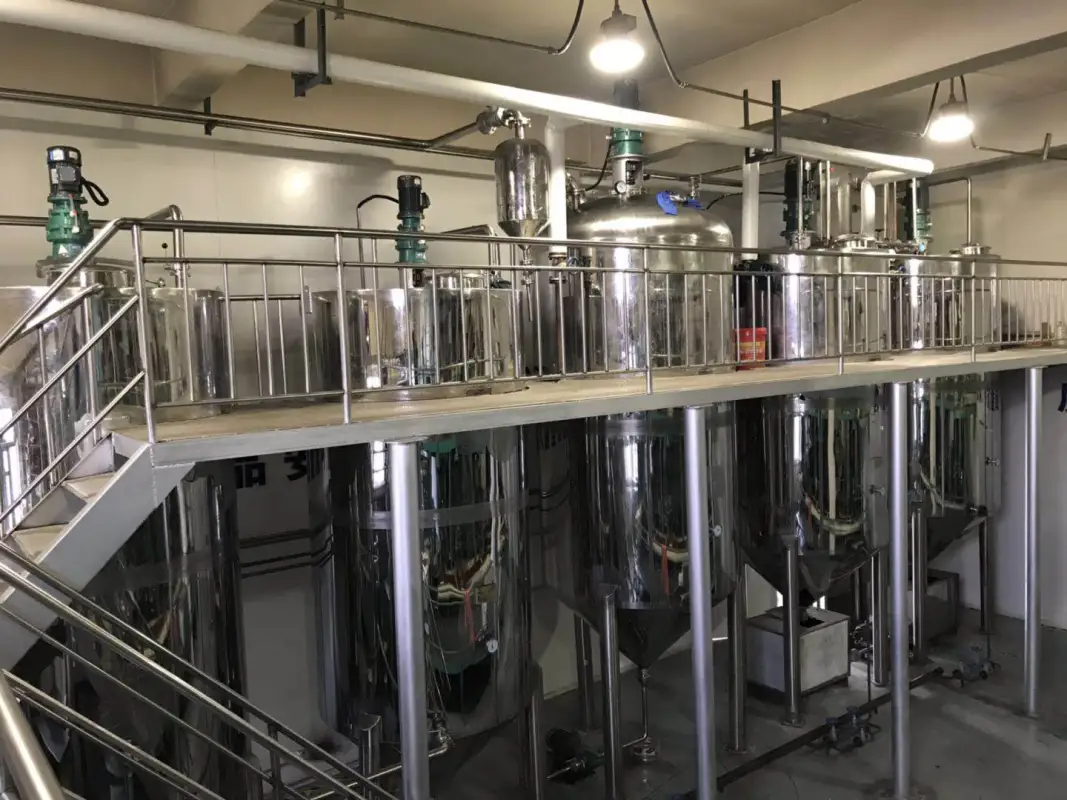
The material composition of your filtration equipment directly impacts product safety, maintenance costs, and equipment lifespan. Food-grade stainless steel, particularly 304 and 316 grades, offers unparalleled advantages in oil processing environments.
Food-grade stainless steel resists corrosion from acidic oil byproducts, reducing maintenance costs by up to 40% compared to carbon steel alternatives.
Smooth, non-porous surfaces prevent bacterial growth and facilitate thorough cleaning, essential for meeting food safety standards.
Properly maintained stainless steel equipment typically has a service life of 15-20 years, compared to 5-8 years for inferior materials.
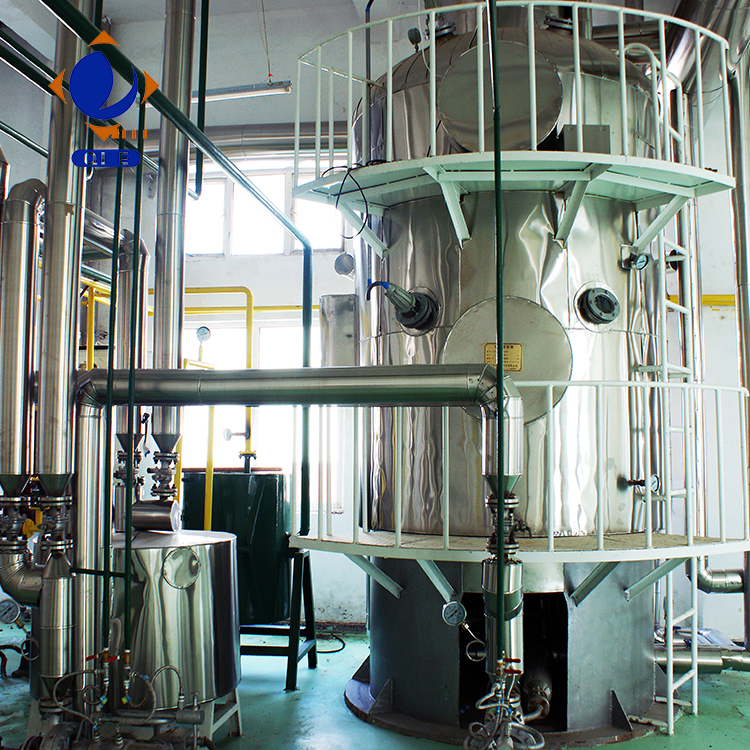
"After switching to QIE Group food-grade stainless steel filtration system, we noticed an immediate improvement in oil clarity and a 35% reduction in cleaning time. The investment paid for itself within 14 months."
International certifications like ISO 22000 (Food Safety Management) and CE marking are often viewed as regulatory hurdles, but they represent critical quality benchmarks that can significantly enhance your market position.
In addition to general ISO standards, look for equipment certified to specific oil processing standards such as AOCS (American Oil Chemists' Society) methods, which ensure your filtration system meets industry-specific performance criteria.

Learning from the experiences of other producers can help you avoid costly mistakes. Let's examine two case studies that highlight the importance of proper equipment selection:
A mid-sized Romanian oil producer selected a filtration system based solely on initial cost, choosing a 5,000 liters/day system despite projected growth to 8,000 liters/day within 18 months. Within a year, they experienced:
Resolution: Upgrading to a properly sized QIE Group system resulted in 40% higher throughput and 50% reduction in maintenance issues.
A Bulgarian startup invested in a scalable filtration system allowing expansion from 1,000 to 10,000 liters/day. Key outcomes included:
ROI Timeline: The initial premium for scalability was recovered within 22 months through operational efficiencies.
Understanding your current scale and future goals is the first step toward optimal equipment selection. Consider factors like:
Choosing the right equipment supplier is as important as selecting the equipment itself. A low initial price can often hide higher long-term costs. When evaluating suppliers, consider:
Download our comprehensive "Sunflower Oil Filtration Equipment Selection White Paper" and receive a free 30-minute technical consultation with QIE Group oil processing specialists.
Download White Paper & Schedule ConsultationOur experts will help you: Determine optimal capacity, evaluate material options, and develop a cost-effective investment plan tailored to your specific needs.
Selecting industrial sunflower oil filtration equipment requires balancing technical specifications with business objectives. By focusing on proper capacity matching, quality materials, certification compliance, and supplier reliability, you can make a decision that enhances your production efficiency and product quality for years to come. The right equipment isn't just an expense—it's an investment in your operation's future success.
 sunflower oil purification
centrifugal oil purifier
centrifugal separation technology
oil purity improvement
production efficiency optimization
sunflower oil quality control
sensory evaluation for sunflower oil
physicochemical indicators acid value peroxide value
cold pressing temperature control
export grade sunflower oil compliance
sunflower oil pressing technology
oil press maintenance
oil quality testing
nutrient retention in oil pressing
small-scale oil processing equipment
sunflower oil purification technology
centrifugal separation principle
sunflower oil production equipment
edible oil impurity removal
oil processing efficiency
sunflower oil purification
centrifugal separation technology
centrifugal purifier
Penguin Group
food-grade oil processing
sunflower oil purification
centrifugal oil purifier
centrifugal separation technology
oil purity improvement
production efficiency optimization
sunflower oil quality control
sensory evaluation for sunflower oil
physicochemical indicators acid value peroxide value
cold pressing temperature control
export grade sunflower oil compliance
sunflower oil pressing technology
oil press maintenance
oil quality testing
nutrient retention in oil pressing
small-scale oil processing equipment
sunflower oil purification technology
centrifugal separation principle
sunflower oil production equipment
edible oil impurity removal
oil processing efficiency
sunflower oil purification
centrifugal separation technology
centrifugal purifier
Penguin Group
food-grade oil processing





.png?x-oss-process=image/resize,h_100,m_lfit/format,webp)
.png?x-oss-process=image/resize,h_100,m_lfit/format,webp)
.png?x-oss-process=image/resize,h_100,m_lfit/format,webp)