Export-grade sunflower oil quality starts long before packaging—you secure compliance by controlling pressing parameters, verifying basic physicochemical indicators, and confirming results with fast, repeatable sensory checks. In this industry-focused guide, you learn which process variables most affect nutrient retention and stability—temperature, pressure, and seed moisture—and how to keep them within safe ranges to protect naturally occurring antioxidants. Data show that low-temperature pressing can improve vitamin E retention by more than 15% compared with higher-heat processing, while also reducing the risk of cooked or oxidized notes. You also get a practical, second-person sensory checklist (color, odor, clarity) to screen each batch in minutes, plus a starter set of lab-ready tests—acid value, peroxide value, moisture/volatile matter, and insoluble impurities—to quickly flag oxidation, hydrolysis, or contamination before they become export nonconformities. To help your team align operations, we recommend visual tools such as a temperature–time curve comparison chart and a simple decision flow for “sensory fail → confirmatory test → corrective action.” Finally, you’ll see why choosing equipment with precise temperature control is the first step in nutrient preservation, and how routine maintenance (press wear parts, filtration, and sanitation) prevents quality drift at the source. What is your biggest challenge today—sensory consistency, oxidation control, or meeting lab指标 on small-scale lines?
How to Ensure Export-Compliant Sunflower Oil Quality with Sensory Checks & Physicochemical Indicators
If you’re producing sunflower seed oil for export—or even for a small local brand—quality is not “one test at the end.” It’s a chain of small, repeatable decisions: seed condition, pressing parameters, filtration discipline, and the ability to detect defects before they become a container-level problem. We’ll walk through a pragmatic, export-minded method: use sensory evaluation for fast screening, then confirm with core lab indicators that buyers and inspectors actually care about.
Why “Good-Looking Oil” Still Fails at Customs
In real trade cases, sunflower oil is often rejected not because it looks wrong, but because it drifts outside a few non-negotiable thresholds: oxidation stability, moisture/impurities, or contamination risks. Importers typically request a COA aligned with Codex and/or EU norms, plus internal specs on peroxide value, free fatty acids, and sensory neutrality. If you build a system where your senses catch problems early and your basic tests confirm compliance, you cut rework, claims, and reputational damage.
There’s also a human layer: your buyer wants to feel safe. When you can explain your controls clearly—temperature discipline, cleaning cycles, and a simple QC log—you don’t just sell oil, you sell reliability.
1) Pressing Parameters That Protect Nutrition (and Reduce Complaints)
For export-grade oil, “nutrition retention” and “oxidation control” are two sides of the same coin. You’re not only aiming for vitamin E or pleasant taste; you’re preventing chemical changes that later show up as high peroxide value, rancid odor, or sediment.
Reference data you can use: Keeping press exit temperature in the 45–55°C band (low-temperature pressing) is commonly associated with a 15–25% higher tocopherol (vitamin E) retention versus conventional hot pressing above 70°C, while also reducing early oxidation markers in fresh oil.
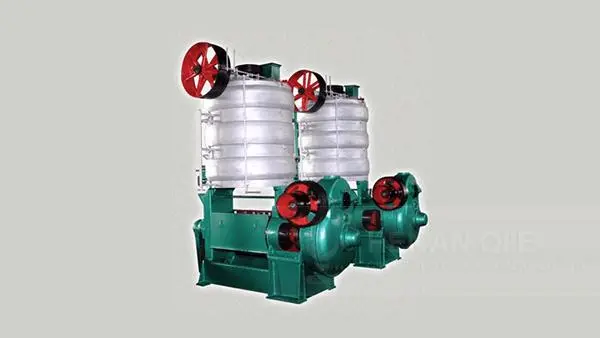
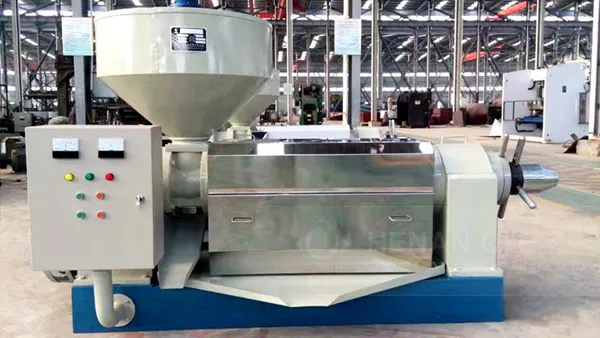
The practical takeaway: choosing equipment with precise temperature control is your first step toward nutrient retention—and toward a COA your buyer trusts.
Seed moisture: the quiet variable behind foam, haze, and FFA
If seeds are too wet, you often see cloudy oil, faster hydrolysis, and higher free fatty acids (FFA). If they’re too dry, yield can drop and the press may run hotter from friction. In many small-to-mid operations, a workable target is 6–8% seed moisture before pressing. The point isn’t the number alone—it’s consistency. Consistency is what gives you predictable color, clarity, and stable lab results.
Pressure & residence time: avoid “overworking” the oil
Higher mechanical stress can increase temperature and entrain fine solids. That may not look dramatic on day one, but it can accelerate oxidation during shipping. Your goal is smooth flow and stable torque—not heroic squeezing. If your equipment supports stable pressure + accurate temperature feedback, you can dial in parameters and record them as part of your export QC story.
2) Sensory Inspection: Your Fastest Screening Tool (When Done Systematically)
Sensory checks are not “unscientific”—they’re the earliest warning system. The key is to make them repeatable. Use the same glass, the same lighting, and the same routine each batch. A 3-minute sensory routine can prevent a 3-month dispute.
Color (Hue & Uniformity)
Export-grade sunflower oil typically appears light golden to golden-yellow, uniform, without brownish tones. Darkening can indicate overheating, excessive fine solids, or oxidation. If the color varies significantly between batches, your pressing temperature or filtration timing is drifting.
Odor (Fresh, Neutral, No “Paint” Notes)
A clean sunflower aroma is mild and pleasant. Red flags include rancid, stale nuts, paint-like, or sharp grassy notes. Those often correlate with elevated peroxide value or poor seed storage. If you smell “paint,” treat it as urgent—don’t wait for a lab to confirm what your nose already knows.
Clarity (Transparency & Sediment)
Pour a sample into a clear glass and hold it against a white background. Good oil should be bright and transparent. Haze can come from moisture, phospholipids, or fine meal. Sediment after standing (e.g., 24 hours) signals inadequate filtration or dirty handling.
Simple sensory scoring (practical): Use a 1–5 score for color uniformity, odor neutrality, and clarity. If any category is ≤3, trigger a “hold & test” rule. This keeps your team aligned and prevents shipping “maybe okay” oil.
3) Core Physicochemical Indicators Buyers Expect (and What They Mean)
You don’t need a full refinery lab to be taken seriously—but you do need the basics. Below are widely used reference targets for crude or cold-pressed sunflower oil in many trade conversations. Your exact limits should match your buyer’s spec and destination regulations.
Indicator
What it tells you
Common export-minded target (reference)
Free Fatty Acids (FFA)
Hydrolysis from moisture, enzymes, poor storage
≤ 1.5% (as oleic acid) for good crude; often ≤ 0.6% for refined
If you’re building a lightweight QC toolkit, start with FFA + PV + moisture/impurities. These three explain most real-world complaints: “rancid,” “cloudy,” “sediment,” “short shelf-life,” and “inconsistent batch taste.”
4) One Practical “Temperature Curve” Infographic You Should Add to Your QC Page
Buyers don’t only buy the oil—they buy your process discipline. A simple visual can do heavy lifting for trust and SEO time-on-page.
Infographic suggestion: “Press Exit Temperature vs. Vitamin E Retention & Oxidation Risk”
Low-temp pressing (45–55°C)
Vitamin E retention: ~85–95% (relative baseline)
Fresh PV trend: lower
Sensory: cleaner aroma, less cooked notes
Hot pressing (70–90°C)
Vitamin E retention: ~65–80%
Fresh PV trend: higher
Sensory: higher risk of toasted/cooked notes
Note: Values vary by seed quality, oxygen exposure, and filtration—use your own measurements to calibrate the curve and strengthen buyer confidence.
5) Equipment Maintenance That Directly Affects Export Compliance
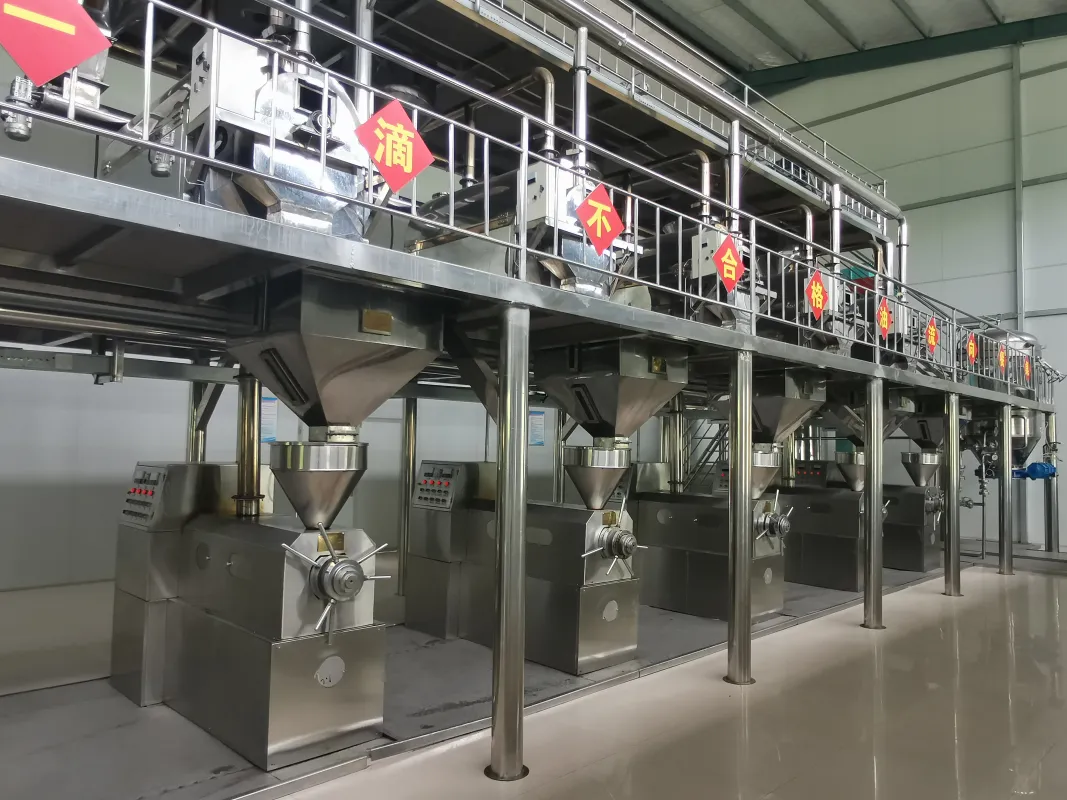
Even with perfect parameters, neglected equipment quietly sabotages quality. In practice, many “mystery” oxidation spikes come from old residues, overheated bearings, or contaminated filters.
Daily: remove press cake residues; wipe contact surfaces; check for abnormal noise/heat; keep the oil path sealed to reduce oxygen pickup.
Per batch: clean screens and filtration units; verify temperature sensor accuracy; record press exit temperature, yield, and sensory score.
Weekly: inspect wear parts (screw/pressing chamber); replace worn seals to prevent metal particles and air ingress.
Storage discipline: store oil in food-grade, closed containers; minimize headspace; keep away from direct light to slow oxidation.
This is where your marketing becomes honest and powerful: when you can say you run a documented process, your “premium” claim is no longer a slogan—it’s a system.
A Buyer-Ready QC Routine You Can Start This Week
Before pressing: check seed moisture (target consistency around 6–8%); remove foreign matter.
During pressing: keep exit temperature stable (aim 45–55°C for low-temp positioning); avoid spikes.
Immediately after: do the 3-minute sensory check (color/odor/clarity) and log the score.
Within 24 hours: run basic lab tests (FFA, PV, moisture/impurities); hold any borderline batch.
Before shipment: re-check clarity and sediment; ensure packaging is sealed, clean, and light-protected.
Want Export-Grade Results Without Guesswork?
If you’re serious about nutrient retention, batch consistency, and buyer-ready COAs, start where quality begins: stable parameters. Choosing a sunflower oil press with precise temperature control helps you reduce oxidation risk, improve clarity, and keep your sensory profile clean—batch after batch.
If you tell us your target market (EU, Middle East, Africa, or Southeast Asia), we can align a QC checklist with your buyer’s typical specification items.
A Question for You (Reply in the Comments)
When you inspect your sunflower oil today, which is harder to keep stable: clarity after 24 hours, odor neutrality, or peroxide value—and what pressing temperature range are you currently running?
2026-03-04|equipo de refinación de aceite de sojadiseño modular de planta de refinaciónsistema de control automático para refinacióninstalación y puesta en marcha de equipos de aceitemonitoreo de calidad del aceite refinado


.png?x-oss-process=image/resize,h_100,m_lfit/format,webp)
.png?x-oss-process=image/resize,h_100,m_lfit/format,webp)
.png?x-oss-process=image/resize,h_100,m_lfit/format,webp)