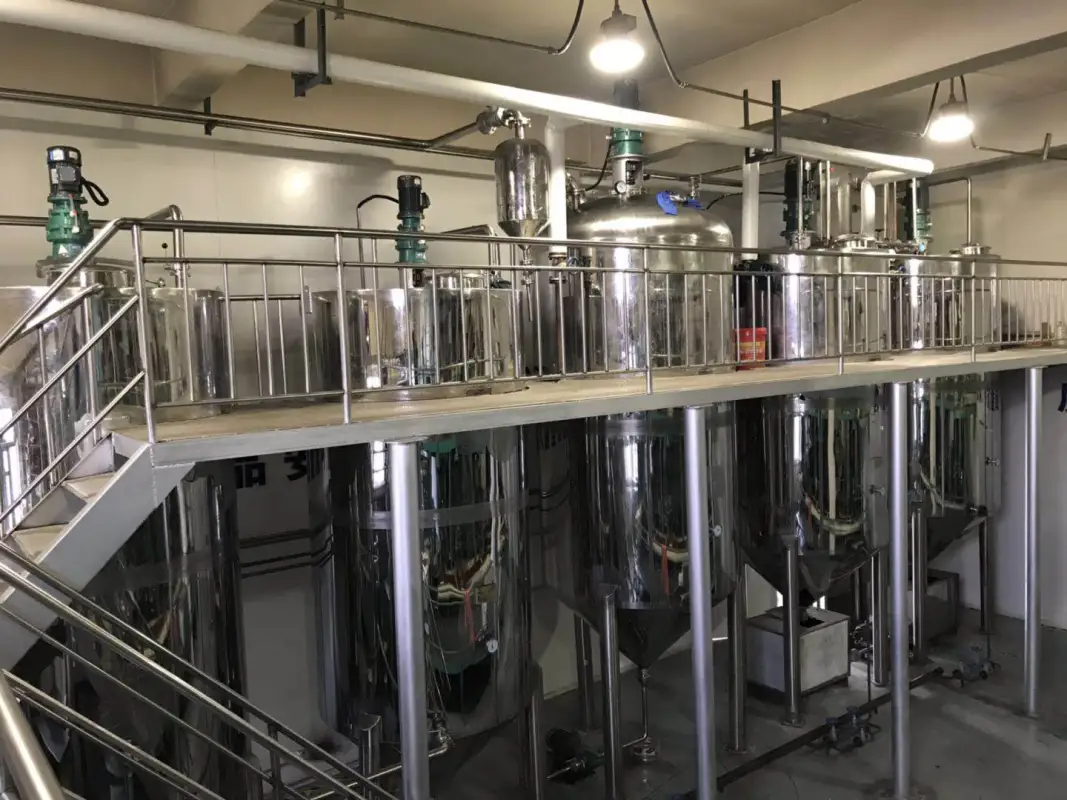
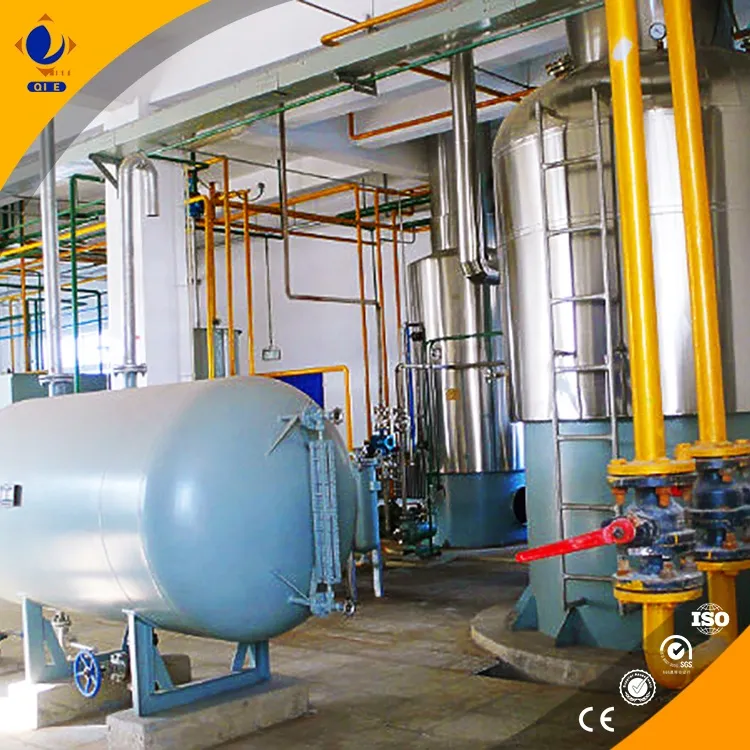
In the competitive edible oil processing industry, the quality of your final product directly impacts market success. Sunflower oil producers worldwide face the ongoing challenge of balancing production efficiency with oil purity, while keeping operational costs in check. Traditional filtration methods have long been the standard, but advancements in centrifugal separation technology are revolutionizing how modern oil processing facilities operate.
For decades, oil purification relied heavily on filter cloths and papers that required frequent replacement and cleaning. This not only created production downtime but also increased operational costs. According to industry research, traditional filtration systems typically require maintenance interruptions every 4-6 hours, resulting in up to 20% production loss annually.
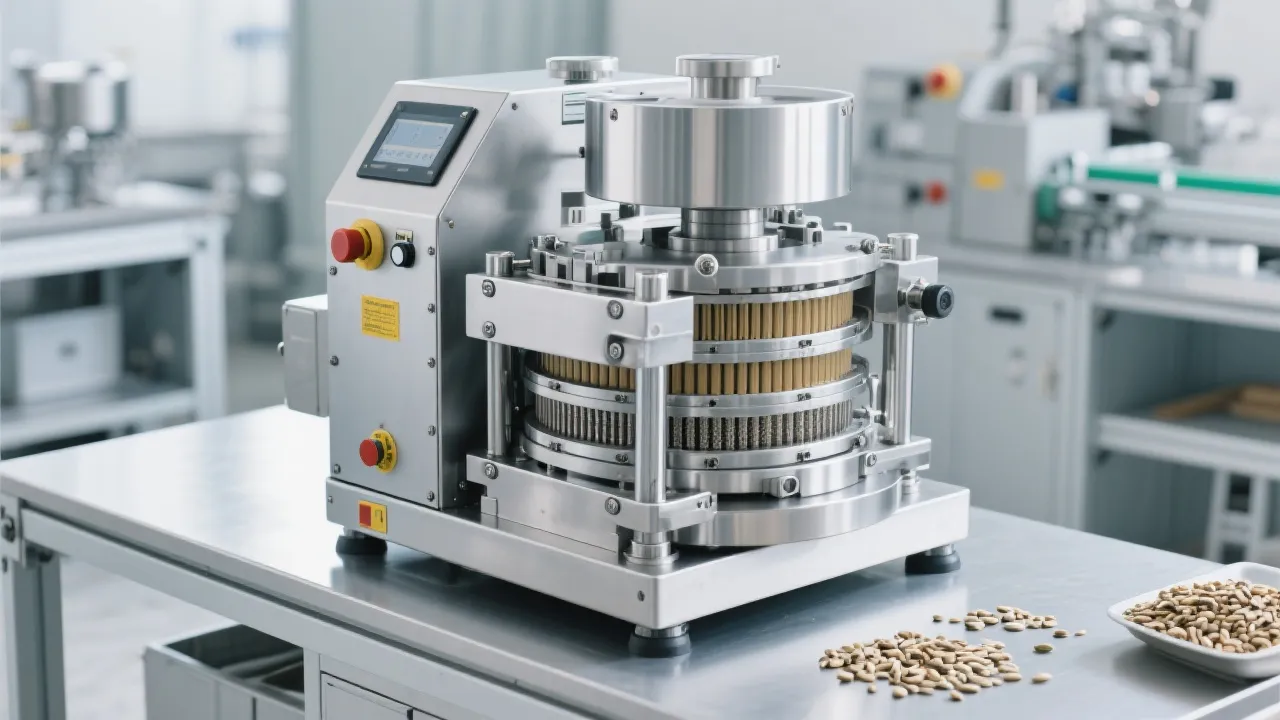
Enter centrifugal separation technology – a method that has transformed oil processing by leveraging the power of centrifugal force to separate impurities from oil without the need for consumable filter media. Qie Group has been at the forefront of this technological advancement, developing centrifugal sunflower oil purifiers that deliver exceptional results for both small to medium-sized plants and large-scale production lines.

Centrifugal oil purification works on the principle of density difference between the oil and its contaminants. When the oil-contaminant mixture is rotated at high speeds – typically between 3,000 to 6,000 revolutions per minute (RPM) – the centrifugal force generated can be hundreds or even thousands of times stronger than gravity.
| Force Type | Relative Strength | Separation Efficiency |
|---|---|---|
| Gravitational Force | 1x | 30-40% |
| Centrifugal Force (3,000 RPM) | 500-800x | 95-98% |
| Centrifugal Force (6,000 RPM) | 1,200-1,800x | 99.2-99.7% |
This powerful force causes the denser impurities (such as meal particles, water, and other solids) to move outward toward the separator wall, while the purified oil collects in the center. The continuous separation process allows for uninterrupted operation and consistent oil quality.
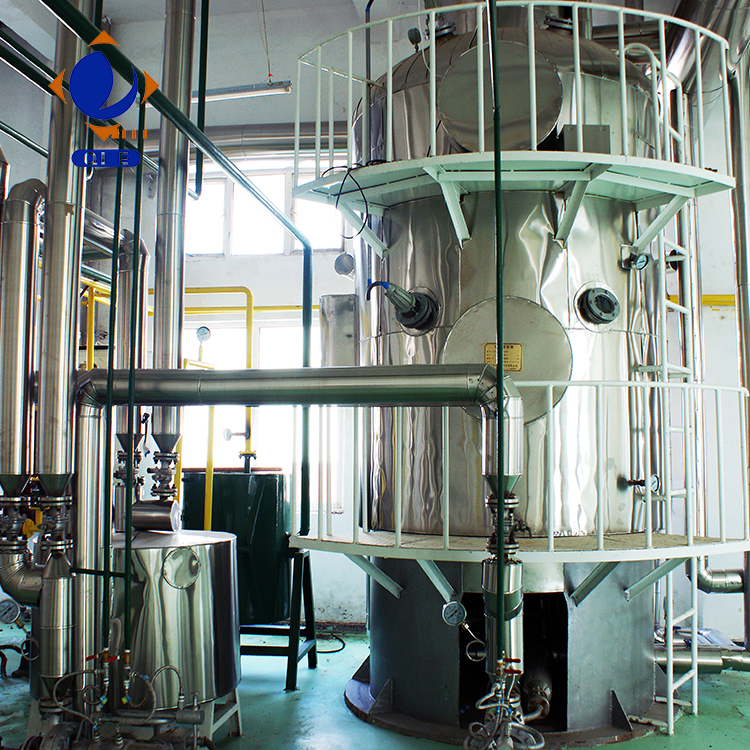
When evaluating oil purification methods, three critical factors come into play: energy consumption, maintenance requirements, and overall processing efficiency. Let's examine how centrifugal technology compares to traditional filtration systems:
While centrifugal systems require electricity to generate rotational force, they eliminate the need for constant pressure systems required by traditional filters. Studies show that centrifugal purifiers can reduce energy costs by 15-22% compared to pressure filtration systems, especially in continuous operation scenarios.
Traditional filtration requires regular replacement of filter cloths or papers – a significant ongoing expense. Centrifugal systems eliminate these consumables, reducing maintenance costs by up to 70%. A typical medium-sized oil processing facility can save $15,000-$30,000 annually on filter media alone.
Perhaps the most significant advantage of centrifugal purification is its processing efficiency. Traditional filter systems typically process 500-800 liters per hour, while modern centrifugal systems can handle 2,000-5,000 liters per hour with higher purity levels. This represents a productivity increase of 300-400% in many cases.
Additionally, centrifugal systems can operate continuously for 24-48 hours before requiring cleaning, compared to just 4-6 hours for traditional filters. This dramatically reduces downtime and increases overall production capacity.
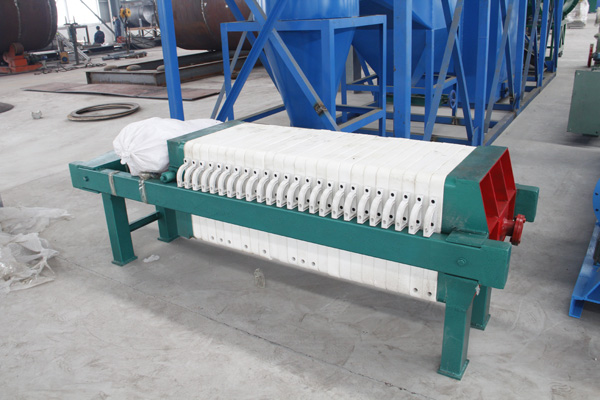
Choosing the appropriate centrifugal purification system depends on several factors, including production volume, desired purity levels, and available floor space. Qie Group offers a range of models designed to meet different operational needs:
When selecting a system, consider not just your current production needs but also future expansion plans. A well-chosen centrifugal purification system should provide room for growth while maintaining optimal efficiency.
Discover how Qie Group's centrifugal sunflower oil purification technology can increase your production efficiency by 300%, reduce maintenance costs by 70%, and deliver consistently high-purity oil that meets the most stringent food safety standards.
Request a Customized SolutionTo ensure optimal performance from your centrifugal purification system, implement these operational best practices:
By following these guidelines, operators can maximize the lifespan of their equipment while ensuring consistent product quality and operational efficiency.
Even with proper maintenance, occasional issues may arise. Here are solutions to common problems encountered with centrifugal oil purifiers:
| Issue | Possible Cause | Solution |
|---|---|---|
| Reduced separation efficiency | Worn bowl or discs, improper temperature | Inspect and replace worn components, adjust temperature |
| Excessive vibration | Imbalanced rotor, uneven floor mounting | Check balance, ensure proper installation |
| Oil leakage | Damaged seals, improper assembly | Replace seals, verify correct assembly |
| Increased power consumption | Dirty components, bearing issues | Clean internal components, inspect bearings |
The implementation of centrifugal purification technology represents a significant advancement in sunflower oil processing. By understanding the principles behind this technology and following best practices for operation and maintenance, producers can achieve remarkable improvements in both efficiency and product quality.
As consumer demand for high-quality, pure edible oils continues to grow, investing in advanced purification technology becomes not just a competitive advantage but a necessity for long-term business success. The data speaks for itself – facilities implementing centrifugal purification technology report faster processing times, lower operational costs, and higher-quality end products that command premium prices in the marketplace.
 soybean oil refining equipment
modular oil refinery plant
automatic oil refining control system
refined soybean oil quality monitoring
equipment installation and commissioning
sunflower oil quality control
sensory evaluation for sunflower oil
physicochemical indicators acid value peroxide value
cold pressing temperature control
export grade sunflower oil compliance
sunflower oil pressing technology
oil press maintenance
oil quality testing
nutrient retention in oil pressing
small-scale oil processing equipment
sunflower oil filtration equipment selection
industrial oil purifier capacity matching
food-grade stainless steel filtration equipment
ISO certified oil processing equipment
sunflower oil production equipment guide
sunflower oil filtration equipment selection
industrial oil purifier capacity matching
food grade stainless steel oil filter
ISO certified oil filtration equipment
sunflower oil production filtration solution
soybean oil refining equipment
modular oil refinery plant
automatic oil refining control system
refined soybean oil quality monitoring
equipment installation and commissioning
sunflower oil quality control
sensory evaluation for sunflower oil
physicochemical indicators acid value peroxide value
cold pressing temperature control
export grade sunflower oil compliance
sunflower oil pressing technology
oil press maintenance
oil quality testing
nutrient retention in oil pressing
small-scale oil processing equipment
sunflower oil filtration equipment selection
industrial oil purifier capacity matching
food-grade stainless steel filtration equipment
ISO certified oil processing equipment
sunflower oil production equipment guide
sunflower oil filtration equipment selection
industrial oil purifier capacity matching
food grade stainless steel oil filter
ISO certified oil filtration equipment
sunflower oil production filtration solution


.png?x-oss-process=image/resize,h_100,m_lfit/format,webp)
.png?x-oss-process=image/resize,h_100,m_lfit/format,webp)
.png?x-oss-process=image/resize,h_100,m_lfit/format,webp)