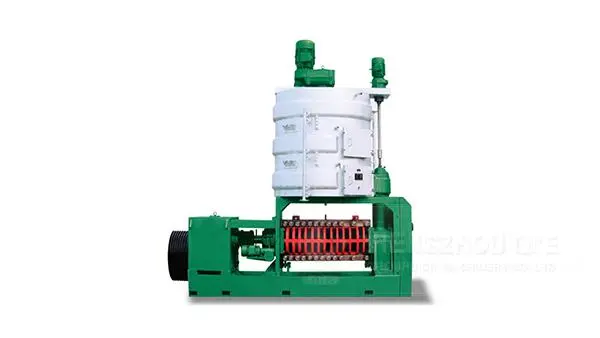
In the competitive edible oil industry, peanut oil manufacturers are constantly seeking ways to balance productivity and product quality. The choice between cold pressing and hot pressing has long been a topic of debate, but forward-thinking producers are discovering that the optimal solution lies not in choosing one over the other, but in strategically combining both processes. This comprehensive guide explores how integrating cold and hot pressing technologies can revolutionize your peanut oil production, backed by industry data and practical insights from Penguin Group's decades of experience in oil processing solutions.
Understanding the fundamental differences between cold and hot pressing is essential for optimizing your production line. Cold pressing operates at temperatures below 60°C (140°F), preserving the natural nutrients and flavor compounds in peanuts. In contrast, hot pressing involves preheating the nuts to temperatures between 100-120°C (212-248°F) before extraction, which modifies the oil's properties and release mechanism.
"The key to maximizing peanut oil yield lies in understanding the biochemical changes that occur during different processing temperatures. While cold pressing preserves valuable micronutrients like vitamin E and phytosterols, hot pressing increases oil fluidity by denaturing proteins and breaking down cell structures." — International Society of Food Science and Technology, 2023
Cold pressing technology has gained significant traction in premium oil markets, where consumers are willing to pay a premium for products with superior nutritional profiles. This method retains up to 92% of the natural vitamin E found in peanuts, along with beneficial compounds like resveratrol and phytosterols that contribute to heart health and antioxidant properties.
However, cold pressing typically yields 12-18% less oil compared to traditional hot pressing methods. The lower temperature results in higher viscosity oils and incomplete breakdown of the peanut cell walls, leaving valuable oil trapped in the press cake.
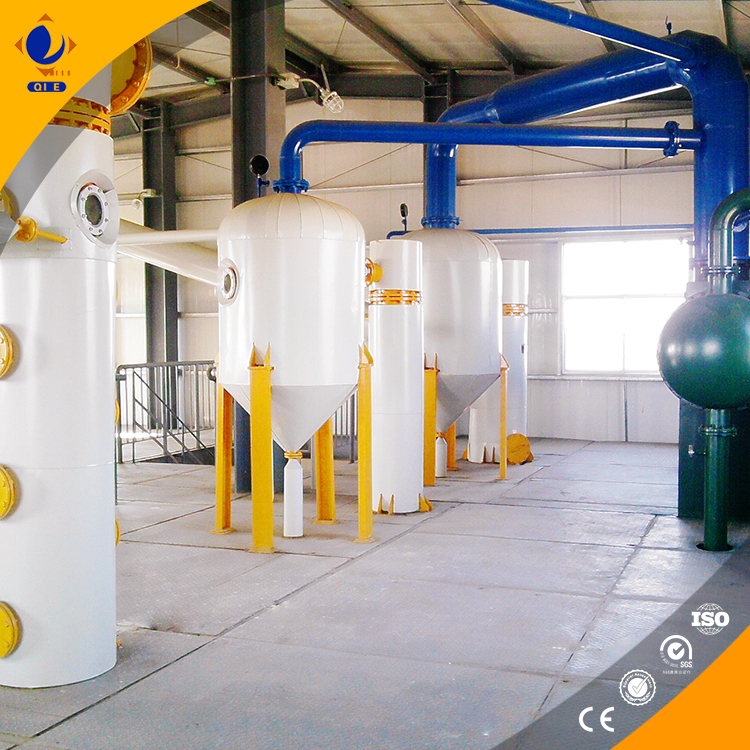
Hot pressing addresses the yield limitations of cold pressing by using controlled heat to optimize oil release. When peanuts are heated to the optimal temperature range (105-115°C for most varieties), several beneficial changes occur:
These changes typically result in yield improvements of 15-20% compared to cold pressing alone, making hot pressing the preferred method for volume-focused producers. However, the higher temperatures can reduce certain heat-sensitive nutrients and may require additional refining steps to meet premium quality standards.
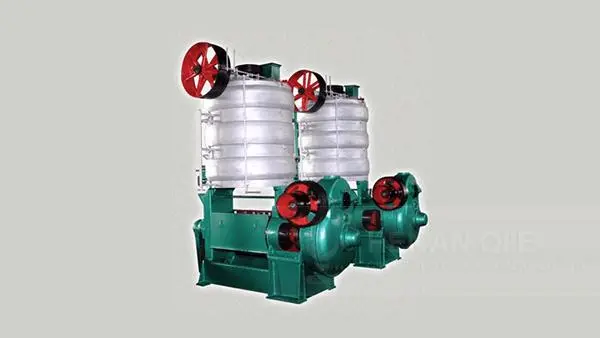
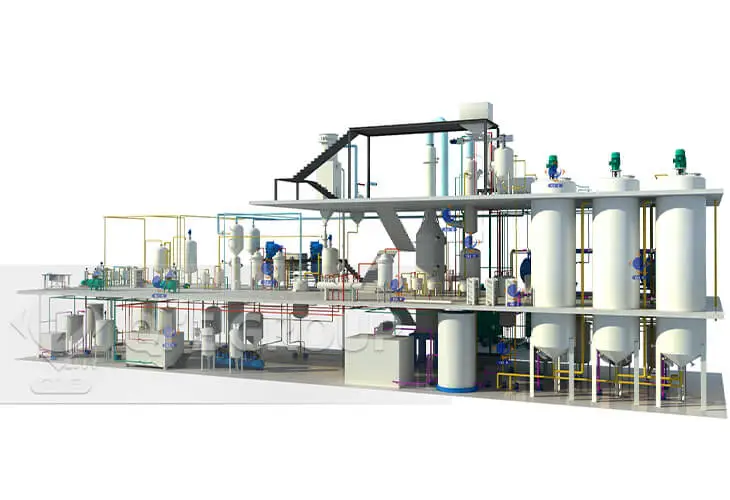
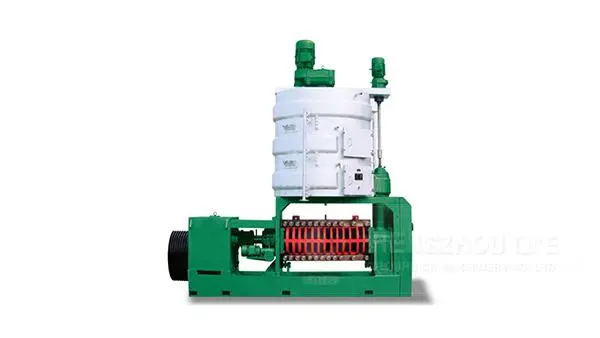
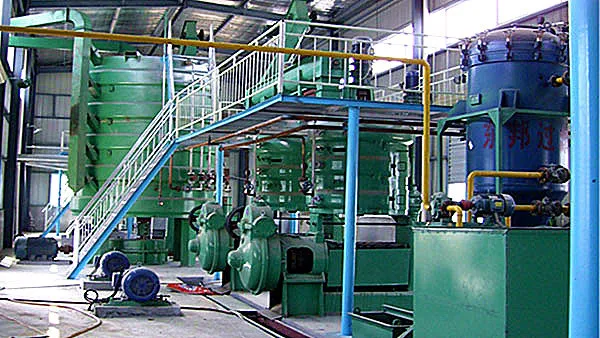
Leading oil processing facilities are increasingly adopting a hybrid approach that capitalizes on the strengths of both cold and hot pressing technologies. This innovative method involves first cold pressing the peanuts to extract the most nutrient-rich oil, then subjecting the remaining press cake to hot pressing to maximize overall yield.
| Processing Method | Typical Yield | Nutrient Retention | End Product Applications |
|---|---|---|---|
| Cold Pressing Only | 38-42% | 90-95% | Premium health oils, organic products |
| Hot Pressing Only | 45-50% | 65-75% | Standard cooking oils, industrial applications |
| Combined Process | 52-55% | 80-85% (for cold fraction) | Dual product lines (premium + standard) |

Achieving the perfect balance between yield and quality requires precise control of several key parameters throughout the production process:
Ideal moisture levels range between 6-8% for cold pressing and 3-5% for hot pressing stages. Proper drying before processing can increase yields by up to 4%.
Precision temperature management within ±2°C of target temperatures prevents nutrient degradation while maximizing oil release efficiency.
Multi-stage pressure application (increasing from 150 to 250 bar) extracts oil more completely than constant pressure systems.
A mid-sized peanut oil producer in Shandong Province implemented a combined cold-hot pressing system and documented impressive results over a six-month period:
Q: What's the optimal peanut variety for maximizing oil yield?
A: Runner peanuts typically yield 10-15% more oil than Spanish varieties, though environmental conditions during growth can impact oil content by up to 7%.
Q: How does storage time affect peanut oil yield?
Peanuts stored for more than 6 months at ambient temperature may experience a 3-5% reduction in oil yield due to enzymatic activity and oxidation.
Q: Can the combined pressing method be retrofitted to existing single-process lines?
Yes, many existing facilities can be modified with auxiliary equipment to implement a hybrid system, typically with ROI achieved within 12-18 months.
Discover how Penguin Group's integrated cold-hot pressing solutions can boost your yield while maintaining product quality.
Download Our Technical Whitepaper: "Optimizing Peanut Oil Yield Through Combined Processing"The information provided in this article is based on industry research and practical applications. Individual results may vary based on specific crop characteristics, equipment configuration, and process parameters. Always consult with qualified process engineers before implementing significant production changes.
 soybean oil refining equipment
modular oil refinery plant
automatic oil refining control system
refined soybean oil quality monitoring
equipment installation and commissioning
peanut oil refining process
temperature control in oil refining
vacuum degree impact on oil quality
decolorization and deodorization technology
Penglai Group oil refining equipment
sunflower oil quality control
sensory evaluation for sunflower oil
physicochemical indicators acid value peroxide value
cold pressing temperature control
export grade sunflower oil compliance
sunflower oil purification technology
centrifugal separation principle
sunflower oil production equipment
edible oil impurity removal
oil processing efficiency
sunflower oil filtration equipment selection
industrial oil purifier capacity matching
food grade stainless steel oil filter
ISO certified oil filtration equipment
sunflower oil production filtration solution
soybean oil refining equipment
modular oil refinery plant
automatic oil refining control system
refined soybean oil quality monitoring
equipment installation and commissioning
peanut oil refining process
temperature control in oil refining
vacuum degree impact on oil quality
decolorization and deodorization technology
Penglai Group oil refining equipment
sunflower oil quality control
sensory evaluation for sunflower oil
physicochemical indicators acid value peroxide value
cold pressing temperature control
export grade sunflower oil compliance
sunflower oil purification technology
centrifugal separation principle
sunflower oil production equipment
edible oil impurity removal
oil processing efficiency
sunflower oil filtration equipment selection
industrial oil purifier capacity matching
food grade stainless steel oil filter
ISO certified oil filtration equipment
sunflower oil production filtration solution





.png?x-oss-process=image/resize,h_100,m_lfit/format,webp)
.png?x-oss-process=image/resize,h_100,m_lfit/format,webp)
.png?x-oss-process=image/resize,h_100,m_lfit/format,webp)