In the competitive edible oil industry, the quality of peanut oil is determined not just by raw materials but by the precision of the refining process. For small to medium-sized oil mills aiming to meet international standards, understanding how to control temperature and vacuum levels across the four key refining stages can mean the difference between average oil and premium-grade products that command higher market prices.
"Consistent quality in peanut oil refining requires precise control of process parameters. Even a 2°C temperature fluctuation during deodorization can affect both flavor stability and shelf life by up to 30%." — International Food Safety Standards Committee, 2023
Degumming is the first critical step in removing phospholipids and胶质 impurities that affect oil clarity and stability. The process typically operates at temperatures between 50-70°C, with optimal results achieved at 65°C for peanut oil. This stage requires careful hydration of non-hydratable phospholipids using specialized enzymes or acid treatments.
Modern peanut oil refining equipment incorporates automated mixing systems that ensure uniform water distribution, reducing gum formation by up to 40% compared to traditional methods. The key challenge here is balancing temperature with reaction time—too high a temperature can cause protein denaturation, while insufficient heat leaves residual gums that compromise downstream processes.
Free fatty acids (FFAs) are the primary cause of unpleasant flavors and reduced shelf life in edible oils. Deacidification removes these acids through either chemical neutralization or physical distillation. For peanut oil, physical refining at reduced pressure (5-10 mbar) and temperatures between 220-260°C proves most effective, retaining valuable tocopherols while reducing FFAs to below 0.1%—meeting both ISO 660 and GB 1534 standards.
A recent study by the China National Grain and Oil Association found that proper deacidification can extend peanut oil's shelf life from 12 months to 18 months, significantly reducing waste and improving profitability for processors.
Have you experienced persistent off-flavors in your refined peanut oil despite following standard procedures? This issue often stems from inadequate temperature control during deacidification, where localized overheating creates thermal degradation products.
The visual appeal of peanut oil plays a crucial role in consumer acceptance. Bleaching removes carotenoids, chlorophyll, and oxidation products using adsorbents like activated clay. The process operates at 80-110°C under vacuum conditions (20-30 mbar) to prevent oxidation during treatment.
Optimal bleaching requires precise control of three variables: temperature, contact time, and clay dosage. For peanut oil, industry best practice recommends 1.5-2.5% clay dosage at 95°C for 20-30 minutes. Automated systems can maintain these parameters within ±1°C, ensuring consistent color results batch after batch.
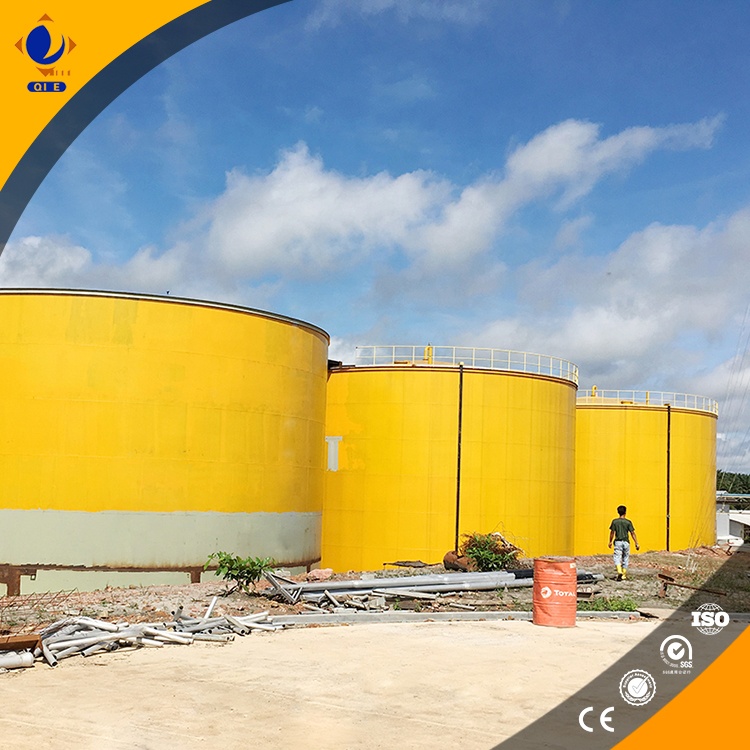
Deodorization removes volatile compounds that cause off-odors and flavors, operating at the highest temperatures (230-270°C) under high vacuum (0.5-2 mbar). This stage is critical for developing peanut oil's characteristic mild flavor while ensuring oxidative stability.
The refining temperature control during deodorization directly impacts the oil's fatty acid composition. Excessive heat can lead to trans-fat formation, while insufficient temperature leaves residual odor compounds. Modern systems employ sparge steam injection to strip volatiles efficiently, reducing processing time by 25% compared to traditional methods.
| Performance Metric | Traditional Manual Control | Automated Control System |
|---|---|---|
| Temperature precision | ±5°C | ±0.5°C |
| Vacuum stability | ±2 mbar | ±0.2 mbar |
| Oil yield | 88-92% | 94-96% |
| Energy consumption | Higher by 15-20% | Optimized efficiency |
Many small oil mills face challenges in balancing quality requirements with limited resources. The key is implementing targeted automation where it delivers the highest return. For peanut oil processors, investing in automated temperature and vacuum control for the deodorization stage typically yields the most significant quality improvement, followed by automated bleaching systems.
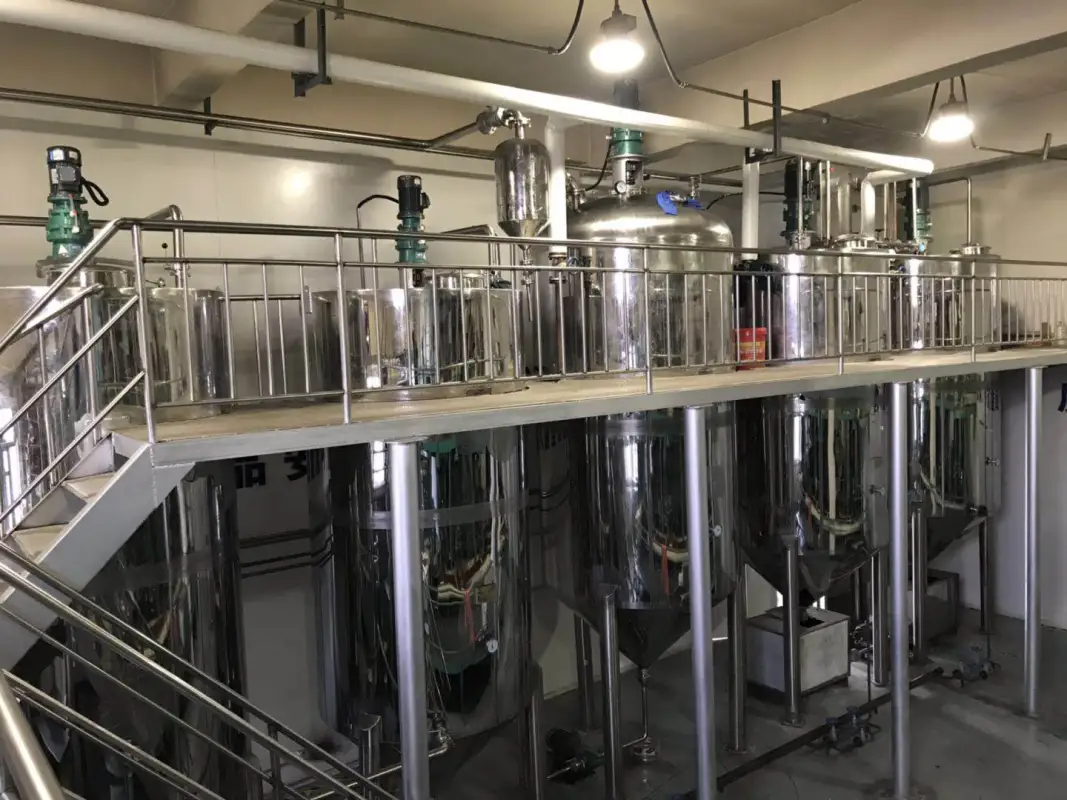
Penguin Group's automated refining equipment offers modular solutions that can be integrated into existing production lines, allowing processors to upgrade incrementally. These systems incorporate PID (Proportional-Integral-Derivative) control loops that maintain precise parameters throughout the refining process, reducing variability and waste.
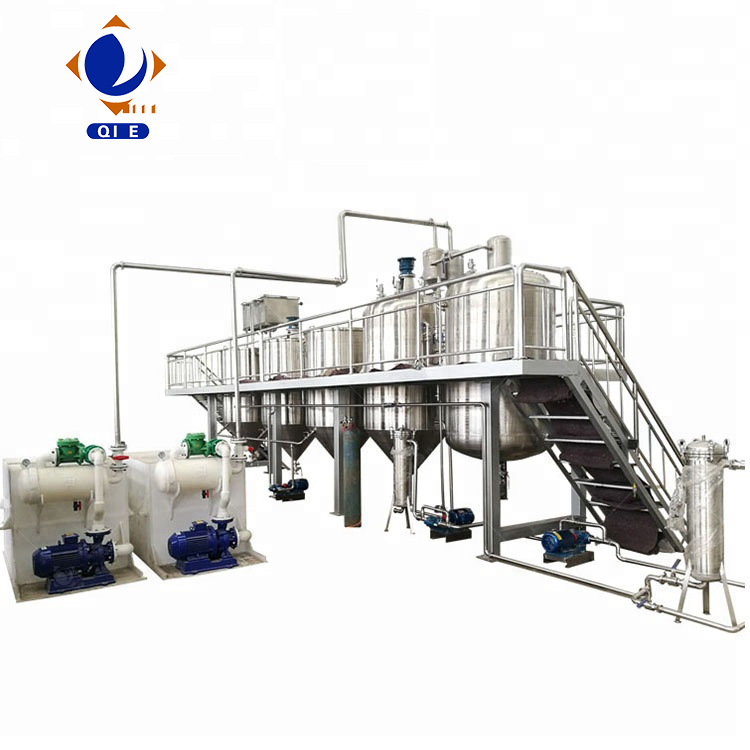
Discover how Penguin Group's precision refining systems can help you achieve consistent quality, meet international standards, and increase market竞争力.
Explore Custom Refining SolutionsWhen evaluating refining equipment, consider not just initial costs but long-term operational savings. A properly configured system reduces energy consumption, minimizes oil loss, and decreases labor requirements—typically delivering ROI within 12-18 months for medium-scale operations.
Remember that in today's market, consistent quality isn't just a competitive advantage—it's a requirement. By mastering temperature and vacuum control across these four critical stages, your peanut oil processing facility can produce products that meet the most demanding international standards while maximizing profitability.
 soybean oil refining equipment
modular oil refinery plant
automatic oil refining control system
refined soybean oil quality monitoring
equipment installation and commissioning
sunflower oil filtration equipment selection
industrial oil purifier capacity matching
food-grade stainless steel filtration equipment
ISO certified oil processing equipment
sunflower oil production equipment guide
sunflower oil filtration equipment selection
industrial oil purifier capacity
food grade stainless steel filter
ISO certified oil purifier
sunflower oil production line
sunflower oil impurity removal
centrifugal purifier operation
sunflower oil processing
edible oil purification technology
food-grade centrifugal separator
sunflower oil filtration equipment selection
industrial oil purifier capacity matching
food grade stainless steel oil filter
ISO certified oil filtration equipment
sunflower oil production filtration solution
soybean oil refining equipment
modular oil refinery plant
automatic oil refining control system
refined soybean oil quality monitoring
equipment installation and commissioning
sunflower oil filtration equipment selection
industrial oil purifier capacity matching
food-grade stainless steel filtration equipment
ISO certified oil processing equipment
sunflower oil production equipment guide
sunflower oil filtration equipment selection
industrial oil purifier capacity
food grade stainless steel filter
ISO certified oil purifier
sunflower oil production line
sunflower oil impurity removal
centrifugal purifier operation
sunflower oil processing
edible oil purification technology
food-grade centrifugal separator
sunflower oil filtration equipment selection
industrial oil purifier capacity matching
food grade stainless steel oil filter
ISO certified oil filtration equipment
sunflower oil production filtration solution




.png?x-oss-process=image/resize,h_100,m_lfit/format,webp)
.png?x-oss-process=image/resize,h_100,m_lfit/format,webp)
.png?x-oss-process=image/resize,h_100,m_lfit/format,webp)