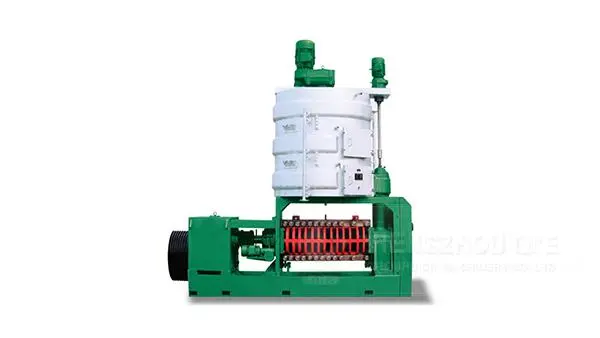
In the competitive edible oil industry, producing high-quality peanut oil requires more than just good raw materials—it demands precision in every refining step. For small and medium-sized oil mills aiming to meet international standards, mastering the art of peanut oil refining is crucial. This comprehensive guide breaks down the core processes of degumming, deacidification, bleaching, and deodorization, revealing how automated control systems can transform your production efficiency and product quality.
Degumming removes phospholipids and胶质 impurities that affect oil stability and clarity. The process typically operates at 55-65°C with a pH range of 4.5-5.0. Modern systems use centrifugal separation instead of traditional settling, reducing processing time from 24 hours to under 2 hours.
Key parameters monitored include:
Without proper degumming, subsequent refining stages become inefficient, and final products may develop haze during storage—a common complaint among consumers in European markets.

Free fatty acids (FFA) contribute to unpleasant flavors and reduce shelf life. Chemical deacidification using sodium hydroxide typically reduces FFA from 0.5-1.0% to below 0.05%, meeting both ISO 660 and GB 1534 standards.
Recent innovations in physical refining (steam distillation under vacuum) offer advantages for high-acid oils, eliminating soap formation and reducing wastewater by up to 40%. This is particularly valuable for facilities in water-scarce regions like the Middle East.
Consumer perception heavily depends on oil color. Bleaching with activated clay (1-3% dosage) at 80-105°C under vacuum (≤50 mbar) removes carotenoids, chlorophyll, and oxidation products.
The choice between acid-activated and neutral clays depends on initial oil quality. A study by the International Association of Edible Oil Manufacturers showed that optimal bleaching can improve oil brightness by 35-50%, significantly enhancing market appeal in premium segments.
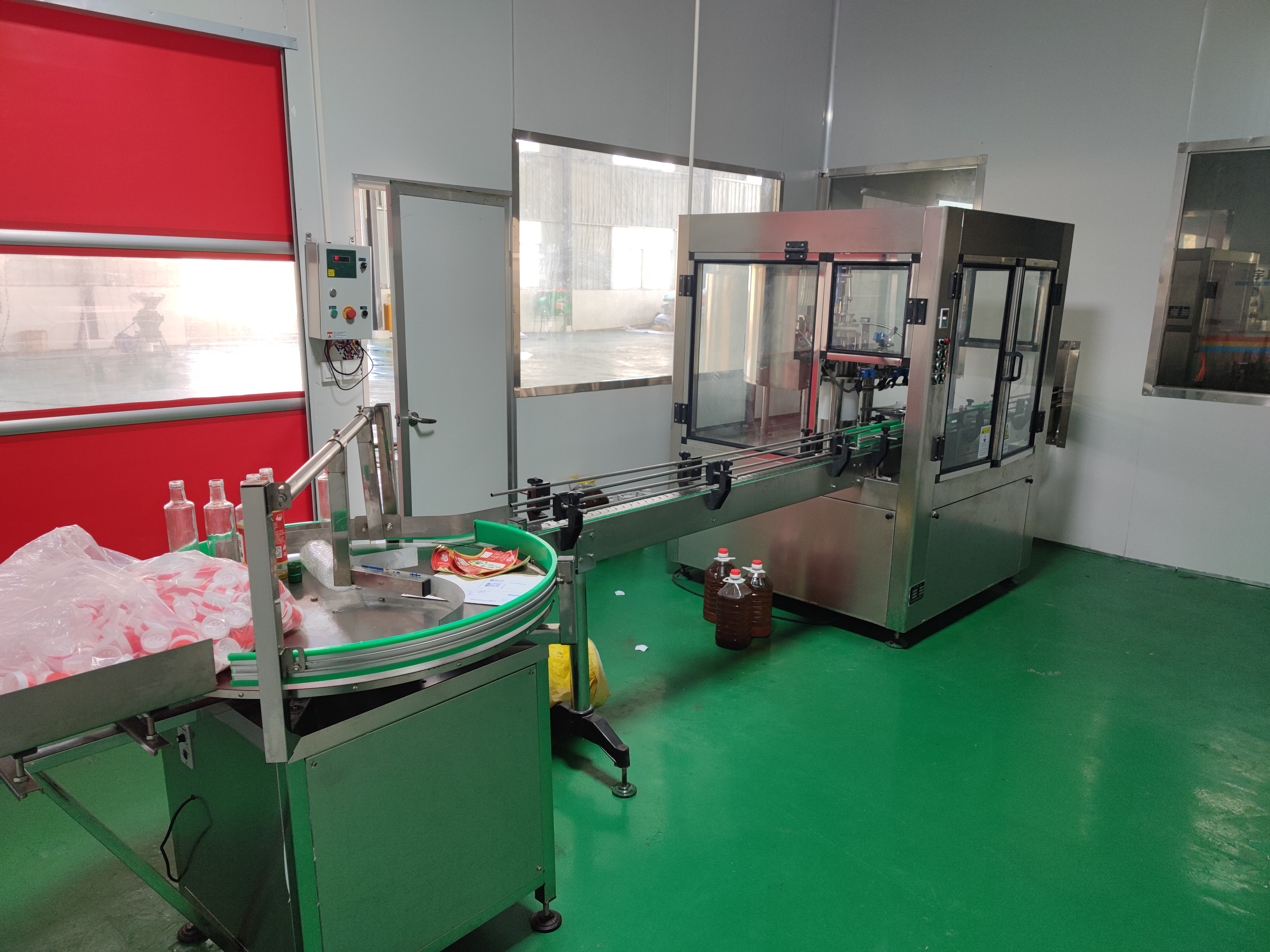
Deodorization removes volatile compounds that cause off-flavors, operating at 180-220°C under high vacuum (≤3 mbar). Modern sparge steam technology reduces processing time to 1-2 hours while preserving tocopherols (vitamin E) by up to 70%.
For peanut oil specifically, deodorization parameters must balance flavor retention with shelf stability. Over-processing can strip natural peanut aroma, while under-processing leads to rapid oxidation—both critical quality issues for export markets.
Many small-scale producers struggle with inconsistent refining results due to manual operations. Common issues include:
The solution lies in automated process control. Integrated systems with PLC controls and real-time monitoring can reduce human error by over 90% while improving energy efficiency by 15-20%.

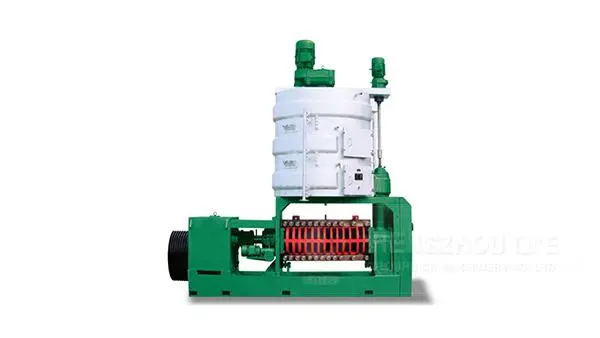
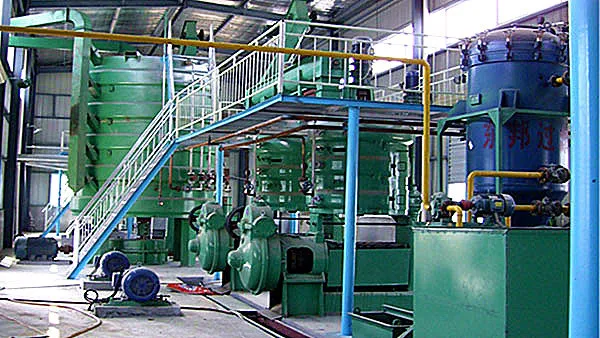
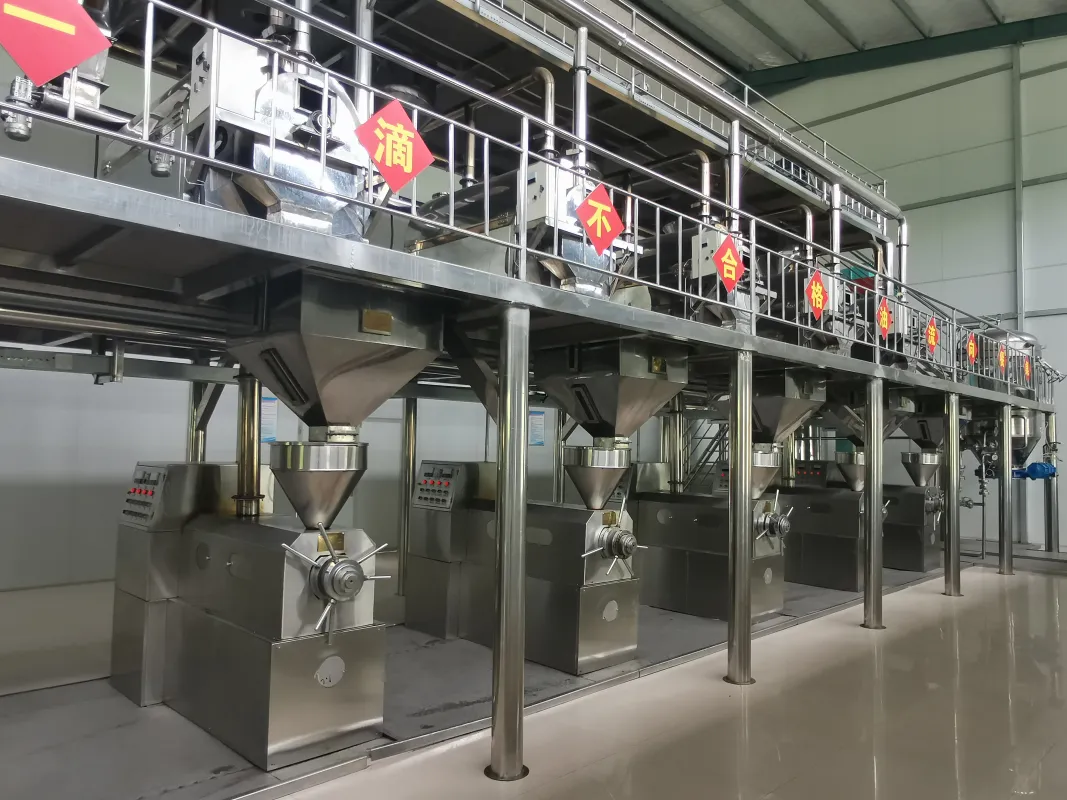
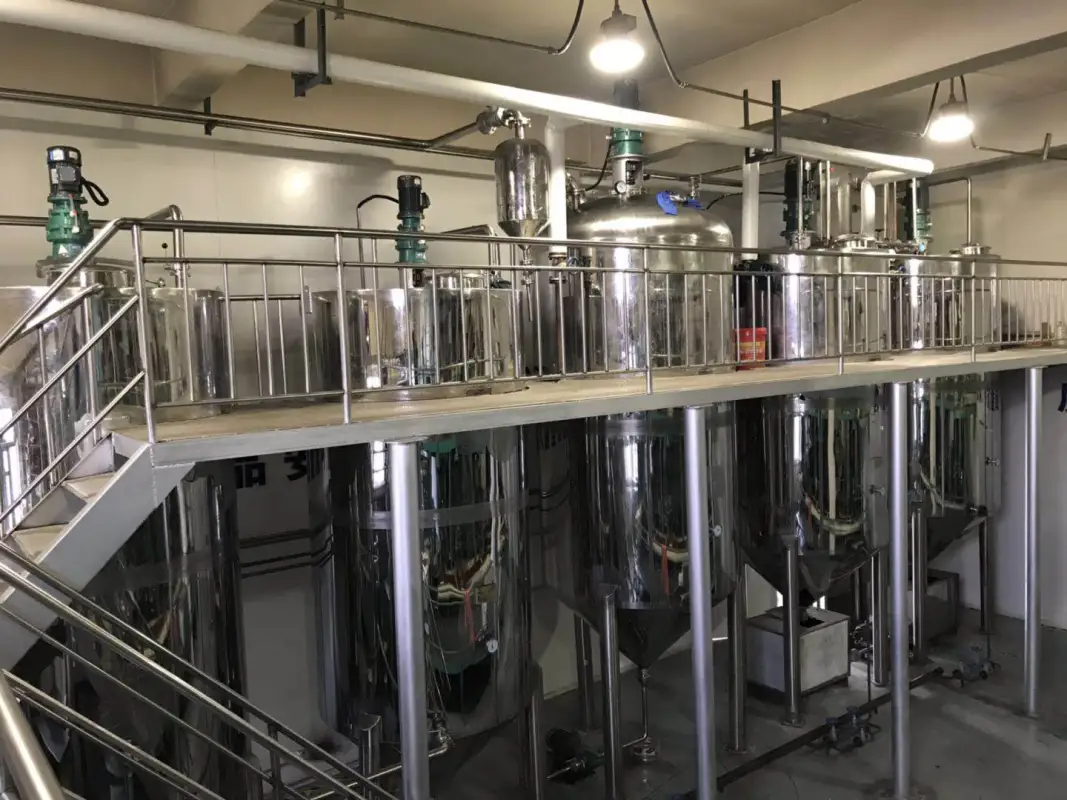
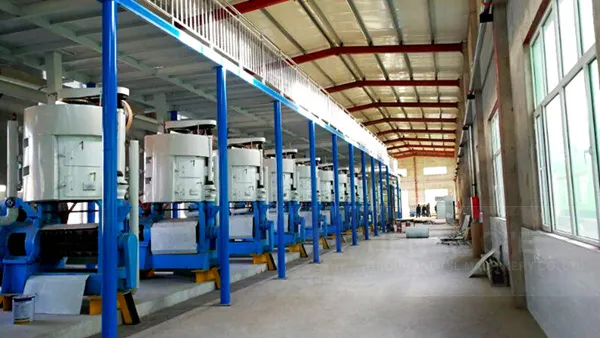
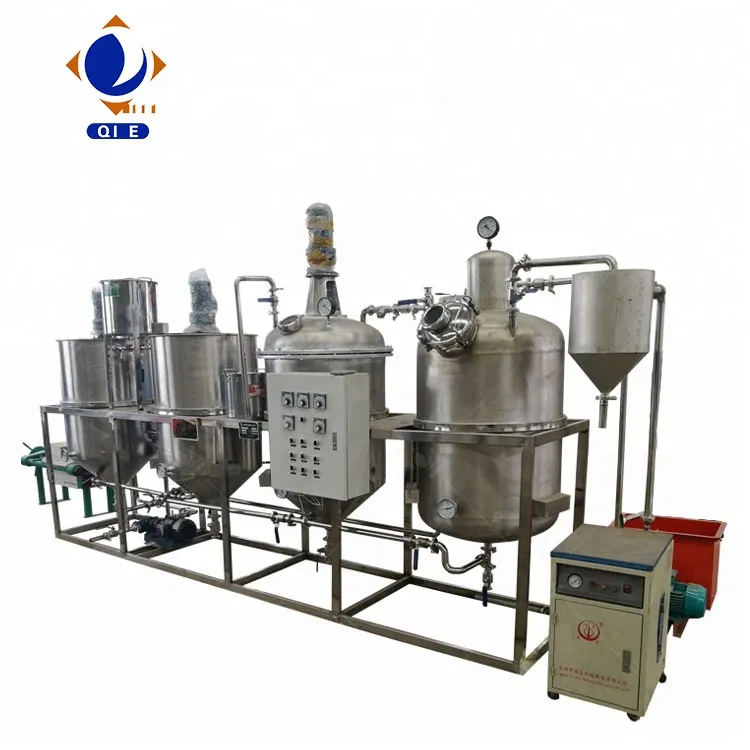
Penguin Group's fully automated cold and hot pressing peanut oil production lines integrate these critical refining processes into a seamless system. Key benefits include:
Producers using Penguin Group equipment report an average 28% increase in production efficiency and 35% reduction in waste compared to traditional systems, with payback periods typically within 18-24 months.
Download our free technical whitepaper "Optimizing Peanut Oil Refining for International Markets" and discover how automation can elevate your product quality and profitability.
Get Your Free Whitepaper NowIn today's global market, consistent quality is non-negotiable. By implementing these refining best practices and leveraging modern automation, small and medium oil mills can compete effectively with larger producers while meeting the stringent requirements of international buyers. The difference between a good product and a great one often lies in the precision of these critical refining stages.
 soybean oil refining equipment
modular oil refinery plant
automatic oil refining control system
refined soybean oil quality monitoring
equipment installation and commissioning
sunflower oil filtration equipment selection
industrial oil purifier capacity
food grade stainless steel filter
ISO certified oil purifier
sunflower oil production line
automatic peanut oil production line maintenance
peanut oil equipment troubleshooting
high oil residue solution
cold and hot pressing peanut oil equipment
peanut oil production line inspection checklist
sunflower oil pressing technology
oil press maintenance
oil quality testing
nutrient retention in oil pressing
small-scale oil processing equipment
sunflower oil filtration equipment selection
industrial oil purifier capacity matching
food grade stainless steel oil filter
ISO certified oil filtration equipment
sunflower oil production filtration solution
soybean oil refining equipment
modular oil refinery plant
automatic oil refining control system
refined soybean oil quality monitoring
equipment installation and commissioning
sunflower oil filtration equipment selection
industrial oil purifier capacity
food grade stainless steel filter
ISO certified oil purifier
sunflower oil production line
automatic peanut oil production line maintenance
peanut oil equipment troubleshooting
high oil residue solution
cold and hot pressing peanut oil equipment
peanut oil production line inspection checklist
sunflower oil pressing technology
oil press maintenance
oil quality testing
nutrient retention in oil pressing
small-scale oil processing equipment
sunflower oil filtration equipment selection
industrial oil purifier capacity matching
food grade stainless steel oil filter
ISO certified oil filtration equipment
sunflower oil production filtration solution






.png?x-oss-process=image/resize,h_100,m_lfit/format,webp)
.png?x-oss-process=image/resize,h_100,m_lfit/format,webp)
.png?x-oss-process=image/resize,h_100,m_lfit/format,webp)