In the competitive edible oil industry, peanut oil manufacturers face the constant challenge of balancing product quality, production efficiency, and regulatory compliance. The refining process stands as the critical gateway between raw peanut oil and the premium product that reaches consumers' tables. This comprehensive guide explores the four fundamental stages of peanut oil refining, focusing on how precise temperature and vacuum control can significantly enhance flavor stability and product quality.
Crude peanut oil, while naturally rich in nutrients and flavor, contains various impurities that affect its quality, stability, and shelf life. According to industry research, properly refined peanut oil can extend shelf life by 300-400% compared to unrefined oil, while maintaining up to 92% of the original nutritional value when processed with optimized techniques. The refining process not only removes unwanted components but also unlocks the oil's full potential in terms of clarity, flavor, and oxidative stability.
Degumming is the initial step in the refining process, targeting phospholipids and other gummy impurities that affect oil stability. These compounds, if not removed, can cause cloudiness and reduce shelf life. The modern degumming process typically employs water degumming or acid degumming techniques, with temperature control being paramount.
Optimal Degumming Parameters:
Temperature: 60-70°C | Reaction time: 30-45 minutes | Stirring speed: 60-80 RPM
Effective degumming can remove 90-95% of phospholipids, significantly improving the oil's ability to withstand further processing. Recent advancements in continuous degumming systems have increased processing efficiency by 40% while reducing water consumption by 25% compared to traditional batch processes.
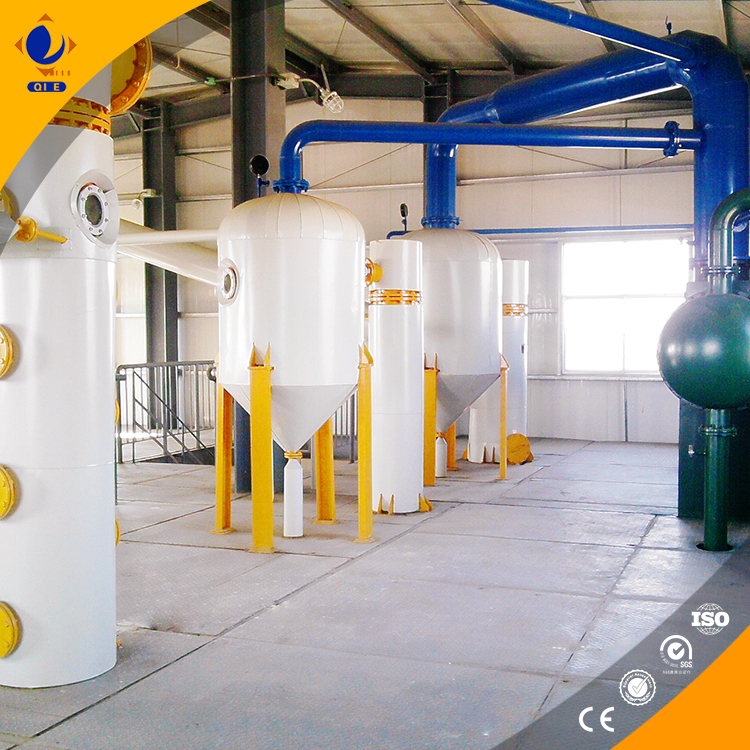
Deacidification addresses the free fatty acids (FFAs) in crude peanut oil, which contribute to unpleasant flavors and reduce oxidative stability. The two primary methods are chemical neutralization and physical refining, with physical refining gaining popularity due to its ability to preserve more natural peanut flavor compounds.
Physical deacidification operates under high vacuum conditions (typically 2-5 mbar) and elevated temperatures (220-260°C), allowing FFAs to vaporize without affecting the triglyceride structure. This process not only removes FFAs but also reduces the oil's susceptibility to rancidity, a critical factor in extending shelf life.
Color is one of the most直观 quality indicators for consumers. Decolorization removes pigments such as carotenoids and chlorophyll using adsorbents like activated clay or carbon. The effectiveness of this process depends on several factors:
| Decolorization Factor | Optimal Range | Impact |
|---|---|---|
| Clay dosage | 2-5% of oil weight | Higher dosage improves color but increases cost |
| Temperature | 105-120°C | Affects clay activity and oil viscosity |
| Contact time | 15-30 minutes | Balance between efficiency and processing time |
| Vacuum level | 50-100 mbar | Prevents oxidation during processing |
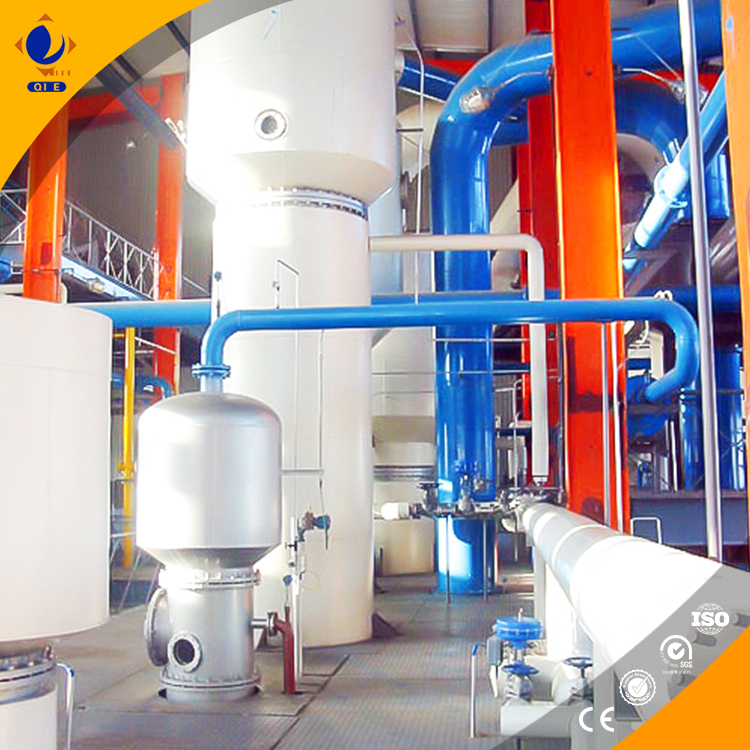
Deodorization represents the final and perhaps most critical stage in peanut oil refining, responsible for removing volatile compounds that contribute to off-flavors and odors. This process not only improves sensory qualities but also further enhances oxidative stability by removing pro-oxidant compounds.
Modern deodorization systems utilize high temperatures (220-250°C) under high vacuum conditions (0.5-2 mbar) to strip volatile components without compromising the oil's nutritional value. The precise control of temperature and vacuum during deodorization directly impacts the retention of tocopherols (natural antioxidants) in the final product.
The effectiveness of deodorization depends on maintaining the delicate balance between temperature and vacuum. Higher temperatures accelerate the removal of volatile compounds but increase the risk of thermal degradation. Conversely, lower pressures allow for effective deodorization at lower temperatures, preserving more natural components.
Industry studies show that optimized deodorization parameters can increase the oxidative stability index (OSI) of peanut oil by 60-80%, significantly extending shelf life while maintaining the oil's natural flavor profile.
For modern peanut oil producers, particularly medium and small-scale facilities, automation has become the cornerstone of quality control and operational efficiency. Automated refining systems offer numerous advantages:
These systems integrate seamlessly with ISO9001:2000 quality management frameworks, providing the documentation and process control necessary for international food safety compliance. The result is not just improved product quality, but also enhanced market access and consumer trust.

Small and medium-sized oil mills often face specific challenges in the refining process, from limited space to budget constraints. Addressing these requires tailored solutions that balance technical requirements with practical considerations:
Heat recovery systems can capture and reuse up to 30% of the energy expended during deodorization, significantly reducing operational costs. Similarly, optimizing vacuum system sizing to match production capacity can reduce energy consumption by 20-25%.
Implementing inline quality monitoring at key stages – particularly after deacidification and deodorization – allows for immediate process adjustments, reducing waste and ensuring consistent quality. Even basic testing equipment can provide valuable data on FFA levels and color, enabling proactive quality management.
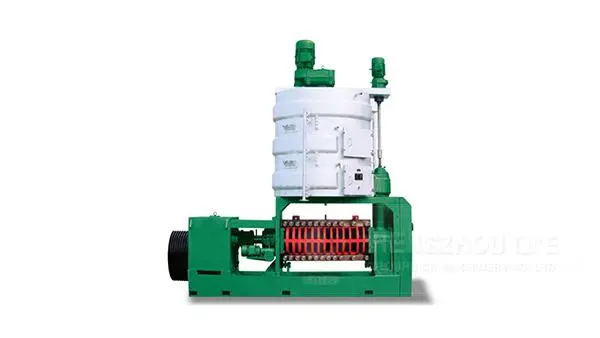
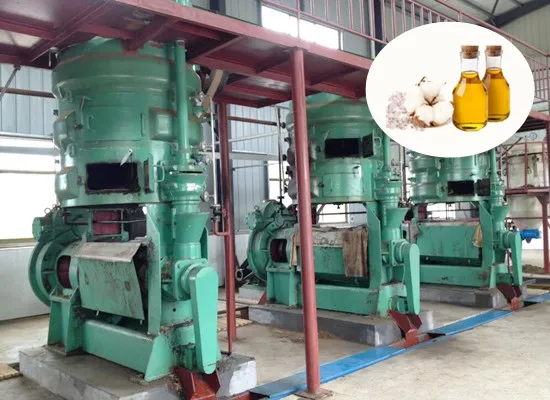
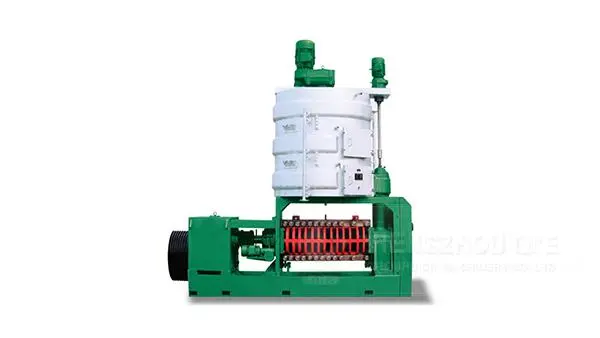
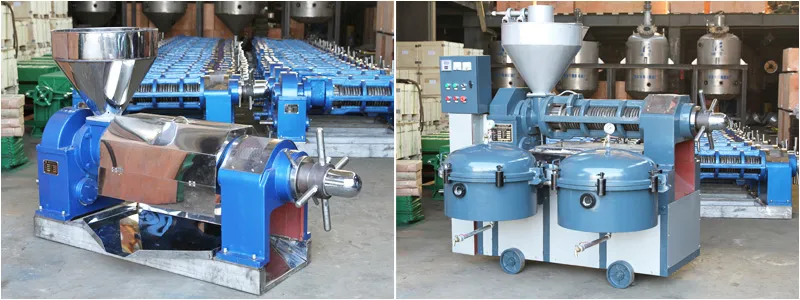
Discover how 企鹅集团 (Penguin Group) automated cold and hot pressing peanut oil production lines can transform your refining process, delivering consistent quality while maximizing efficiency.
Explore Complete Refining SolutionsThe journey from crude peanut oil to a premium, shelf-stable product requires technical expertise, precise process control, and the right equipment. By focusing on the critical parameters of temperature and vacuum control across the four refining stages, producers can significantly enhance flavor stability and product quality. As consumer demand for high-quality, natural edible oils continues to grow, investing in optimized refining technology becomes not just a competitive advantage, but a necessity for long-term success in the global market.
 soybean oil refining equipment
modular oil refinery plant
automatic oil refining control system
refined soybean oil quality monitoring
equipment installation and commissioning
sunflower oil filtration equipment selection
industrial oil purifier capacity matching
food-grade stainless steel filtration equipment
ISO certified oil processing equipment
sunflower oil production equipment guide
sunflower oil filtration equipment selection
industrial oil purifier capacity
food grade stainless steel filter
ISO certified oil purifier
sunflower oil production line
automatic peanut oil production line maintenance
peanut oil equipment troubleshooting
high oil residue solution
cold and hot pressing peanut oil equipment
peanut oil production line inspection checklist
sunflower oil filtration equipment selection
industrial oil purifier capacity matching
food grade stainless steel oil filter
ISO certified oil filtration equipment
sunflower oil production filtration solution
soybean oil refining equipment
modular oil refinery plant
automatic oil refining control system
refined soybean oil quality monitoring
equipment installation and commissioning
sunflower oil filtration equipment selection
industrial oil purifier capacity matching
food-grade stainless steel filtration equipment
ISO certified oil processing equipment
sunflower oil production equipment guide
sunflower oil filtration equipment selection
industrial oil purifier capacity
food grade stainless steel filter
ISO certified oil purifier
sunflower oil production line
automatic peanut oil production line maintenance
peanut oil equipment troubleshooting
high oil residue solution
cold and hot pressing peanut oil equipment
peanut oil production line inspection checklist
sunflower oil filtration equipment selection
industrial oil purifier capacity matching
food grade stainless steel oil filter
ISO certified oil filtration equipment
sunflower oil production filtration solution




.png?x-oss-process=image/resize,h_100,m_lfit/format,webp)
.png?x-oss-process=image/resize,h_100,m_lfit/format,webp)
.png?x-oss-process=image/resize,h_100,m_lfit/format,webp)