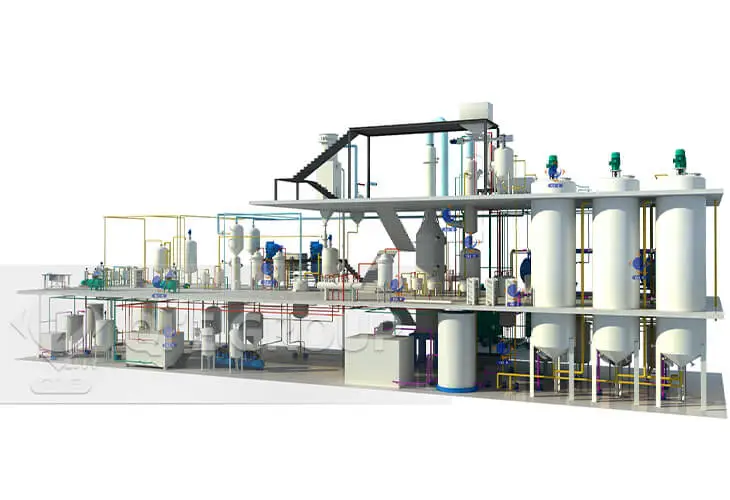
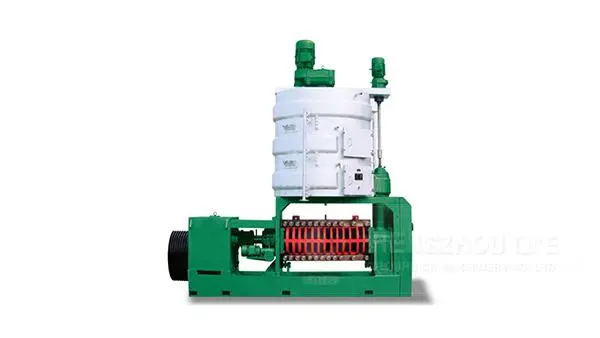
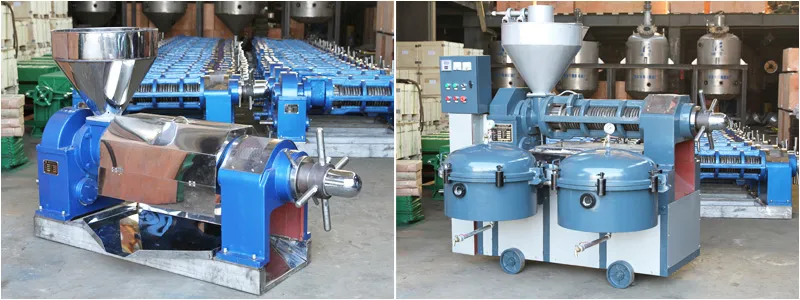
Running a modern peanut oil production facility comes with unique operational challenges that can significantly impact your bottom line. According to industry research, unplanned downtime in edible oil processing plants costs an average of $5,000-$8,000 per hour, with equipment failure accounting for approximately 42% of these incidents. This comprehensive guide explores the most common issues encountered in fully automated peanut oil production lines and provides systematic troubleshooting approaches to minimize disruptions and maintain optimal performance.
Effective preventive maintenance begins long before production starts. A structured pre-startup inspection routine can eliminate up to 35% of potential mechanical issues. Key components requiring thorough examination include:
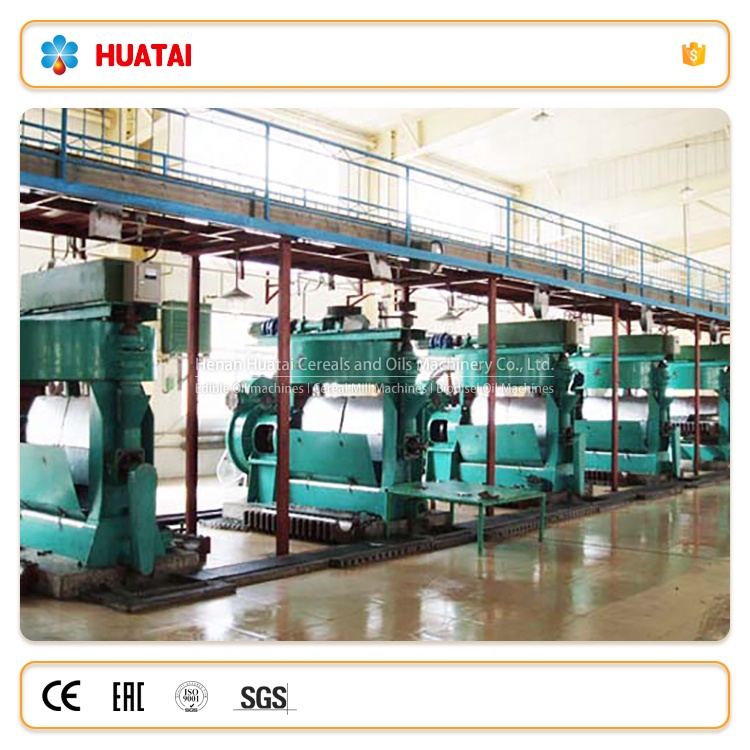
Pressure instability during the pressing stage is a frequent issue that directly affects oil yield and quality. A recent industry survey indicates that 67% of pressure-related problems stem from three root causes:
Typical Symptoms: Pressure gauge fluctuations exceeding ±1.5 MPa, inconsistent oil flow, increased residual oil in cake (above 5%)
Diagnostic Approach:
Precise temperature management is crucial for optimal oil extraction, with the ideal range for peanut pressing between 125-140°C. Temperature deviations beyond ±5°C can reduce oil yield by 3-7% and affect oil quality parameters.
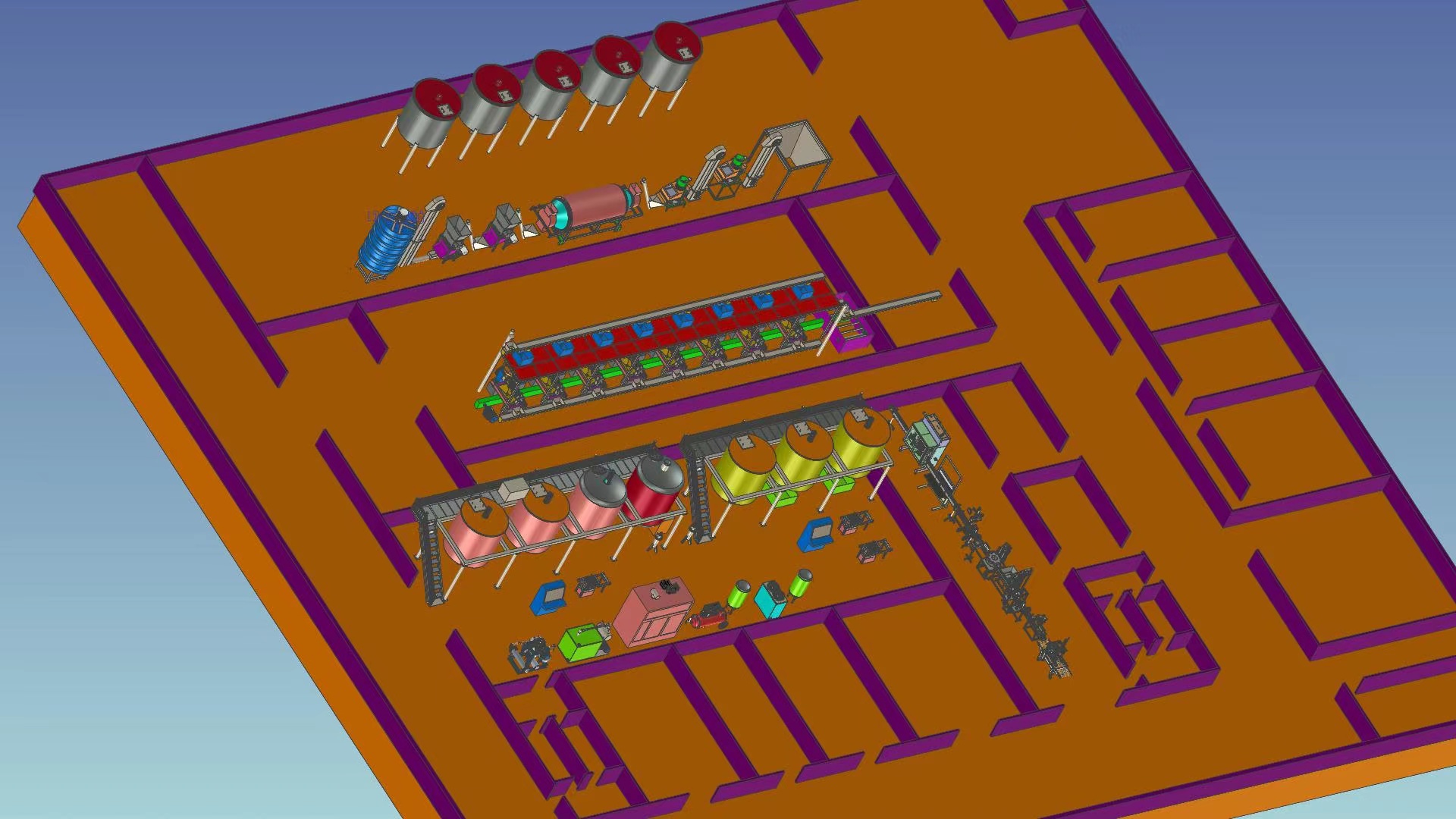
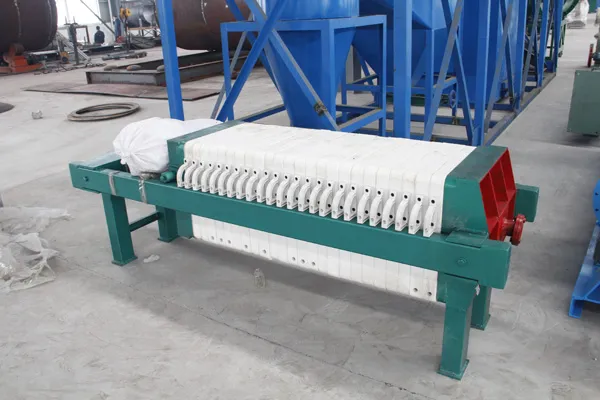
Filter blockage is responsible for approximately 28% of production slowdowns in peanut oil facilities. The frequency of filter replacement depends on multiple factors, including raw material quality, processing volume, and maintenance practices.
| Filter Type | Recommended Replacement Interval | Pressure Differential Threshold | Cleaning Method |
|---|---|---|---|
| Primary Filtration (60µm) | 200-250 operating hours | >0.3 MPa | Backflushing with hot water (80-85°C) |
| Fine Filtration (20µm) | 100-150 operating hours | >0.5 MPa | Chemical cleaning with food-grade detergent |
Industry data shows that up to 38% of equipment failures in food processing plants can be attributed to human error. Establishing clear operational protocols and training programs significantly reduces these incidents.
Expert Insight: "The most effective maintenance programs combine advanced sensor technology with operator expertise. We've observed that facilities implementing structured training programs reduce unplanned downtime by an average of 27% within the first year." — Zhang Wei, Senior Process Engineer with 15 years in edible oil equipment manufacturing
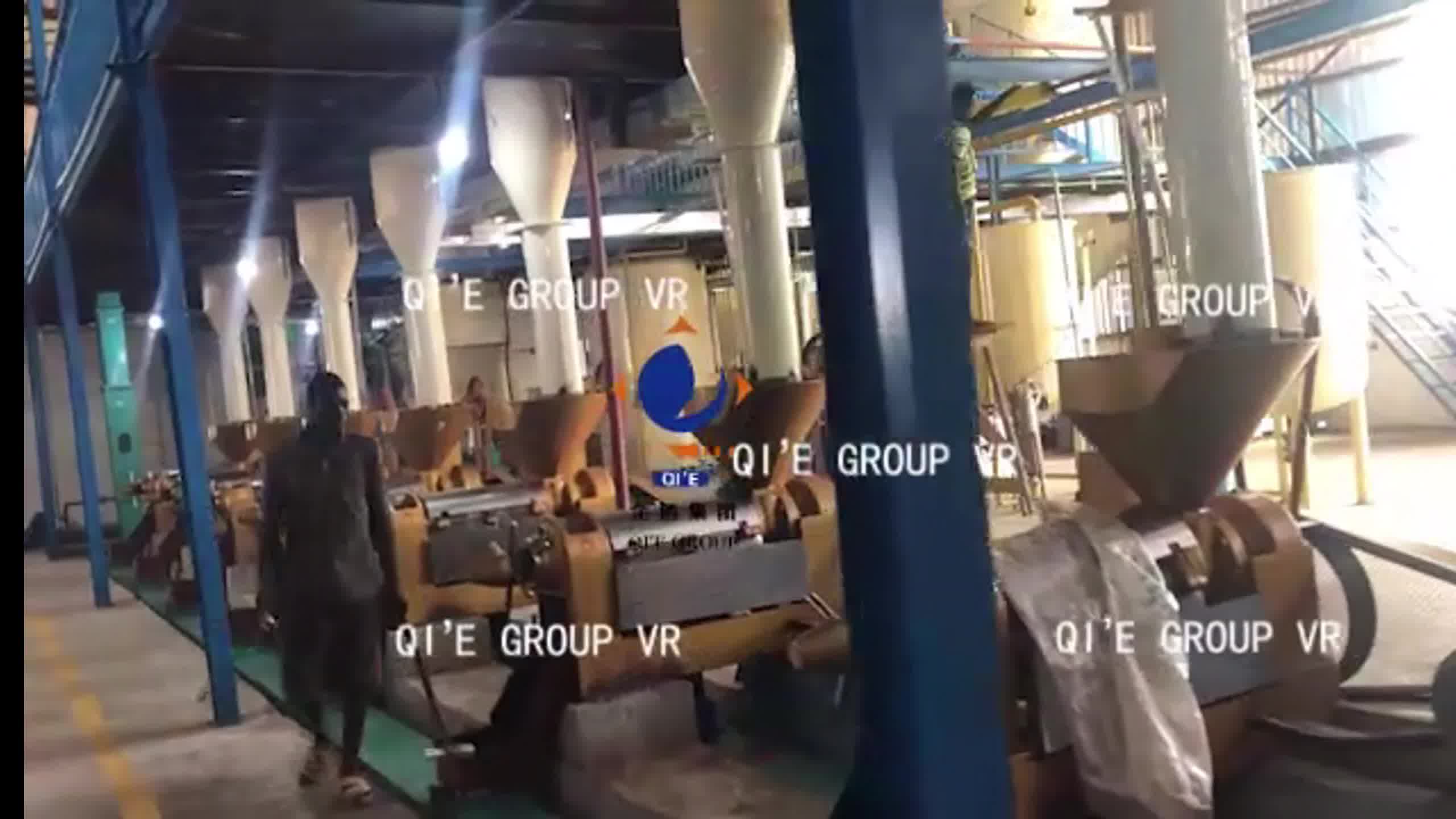
For small and medium-sized enterprises, developing a cost-effective maintenance strategy requires balancing preventive care with operational demands. Implementing a computerized maintenance management system (CMMS) can reduce maintenance costs by 18-22% while extending equipment lifespan by 25-30%.
Key elements of an effective maintenance system include:
Penguin Group's fully automated peanut oil production lines are engineered for reliability and performance. Our technical support team provides comprehensive training and maintenance guidance to ensure your equipment operates at peak efficiency.
Request a Maintenance ConsultationBy implementing the troubleshooting techniques and maintenance protocols outlined in this guide, peanut oil producers can significantly reduce downtime, improve product quality, and extend equipment lifespan. Regular review and updating of maintenance procedures, combined with operator training and proper equipment selection, form the foundation of a successful oil processing operation.
 sunflower oil filtration equipment selection
industrial oil purifier capacity matching
food-grade stainless steel filtration equipment
ISO certified oil processing equipment
sunflower oil production equipment guide
sunflower oil filtration equipment selection
industrial oil purifier capacity
food grade stainless steel filter
ISO certified oil purifier
sunflower oil production line
peanut oil refining process
degumming deacidification parameters
peanut oil refining system
edible oil refining technology
automatic refining system
sunflower oil impurity removal
centrifugal purifier operation
sunflower oil processing
edible oil purification technology
food-grade centrifugal separator
automatic peanut oil production line maintenance
peanut oil equipment troubleshooting
high oil residue solution
cold and hot pressing peanut oil equipment
peanut oil production line inspection checklist
sunflower oil filtration equipment selection
industrial oil purifier capacity matching
food-grade stainless steel filtration equipment
ISO certified oil processing equipment
sunflower oil production equipment guide
sunflower oil filtration equipment selection
industrial oil purifier capacity
food grade stainless steel filter
ISO certified oil purifier
sunflower oil production line
peanut oil refining process
degumming deacidification parameters
peanut oil refining system
edible oil refining technology
automatic refining system
sunflower oil impurity removal
centrifugal purifier operation
sunflower oil processing
edible oil purification technology
food-grade centrifugal separator
automatic peanut oil production line maintenance
peanut oil equipment troubleshooting
high oil residue solution
cold and hot pressing peanut oil equipment
peanut oil production line inspection checklist


.png?x-oss-process=image/resize,h_100,m_lfit/format,webp)
.png?x-oss-process=image/resize,h_100,m_lfit/format,webp)
.png?x-oss-process=image/resize,h_100,m_lfit/format,webp)