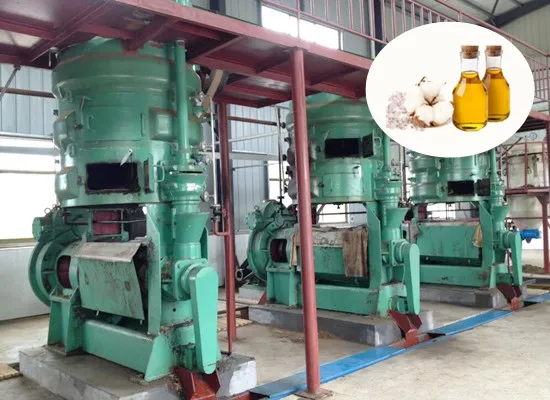
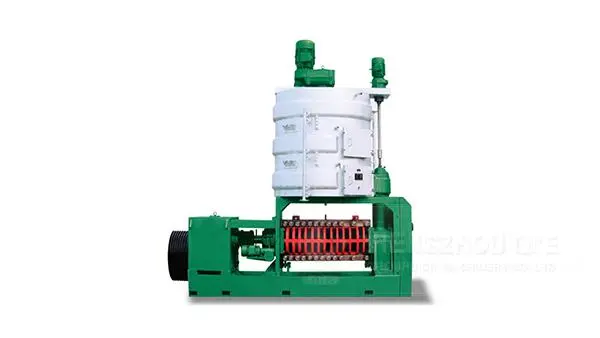
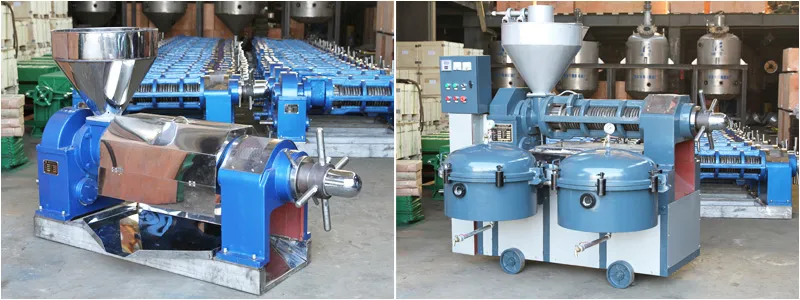
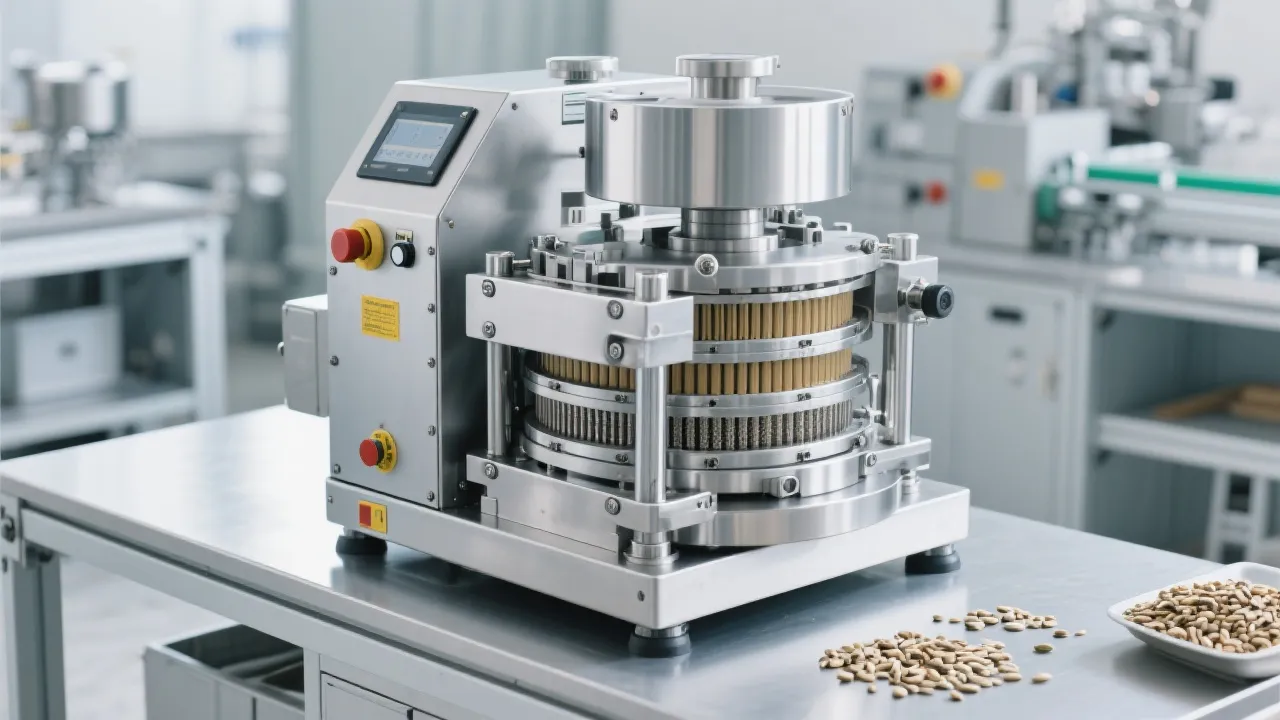
In the realm of edible oil processing, efficiency and product quality are paramount. Automatic peanut oil production lines have revolutionized the industry with their precision and productivity, yet operators often face the persistent challenge of high oil residue in press cake. This issue not only reduces oil yield—potentially costing producers up to 3-5% of total output—but also affects overall profitability. Drawing on decades of technical expertise, this guide explores the root causes of excessive oil content in press cake and provides actionable solutions tailored to modern cold and hot pressing integrated technology.
According to industry benchmarks, optimal oil residue in peanut press cake should range between 4-6%. Exceeding 7% indicates operational inefficiencies that require immediate attention to prevent profit loss and maintain product quality standards.
Many production issues, including high oil residue, can be prevented with a comprehensive pre-startup checklist. Neglecting these preliminary steps is a common oversight that leads to 40% of avoidable equipment malfunctions. Critical checks include:

When oil residue exceeds acceptable levels, a systematic diagnostic approach is essential. The following scenarios represent the most frequent culprits encountered in commercial peanut oil facilities:
A mid-sized oil mill in Shandong province experienced oil residue levels rising from 5% to 8.5% within a week. Technical analysis revealed worn pressure adjustment components, causing inconsistent compression. After replacing the pressure regulating valve and recalibrating to 35-40 MPa, residue returned to 5.2% within 24 hours.
Temperature and pressure settings are critical variables in oil extraction. For hot pressing systems, optimal temperature ranges from 120-140°C, while cold pressing operates between 40-60°C. Insufficient pressure—typically below 30 MPa for peanuts—results in incomplete oil expression.
Peanut particle size and moisture content significantly impact pressing efficiency. Particles too large (over 6mm) create uneven pressure distribution, while excessive moisture leads to "slip" in the press chamber. Implementing a consistent crushing process to achieve 3-5mm particle size reduces residue by an average of 1.2%.
Clogged or damaged filter screens force oil back into the press cake. Establishing a regular cleaning schedule—daily for high-capacity lines and every 48 hours for smaller operations—maintains optimal flow rates. Screen replacement should occur every 3-6 months depending on usage intensity.
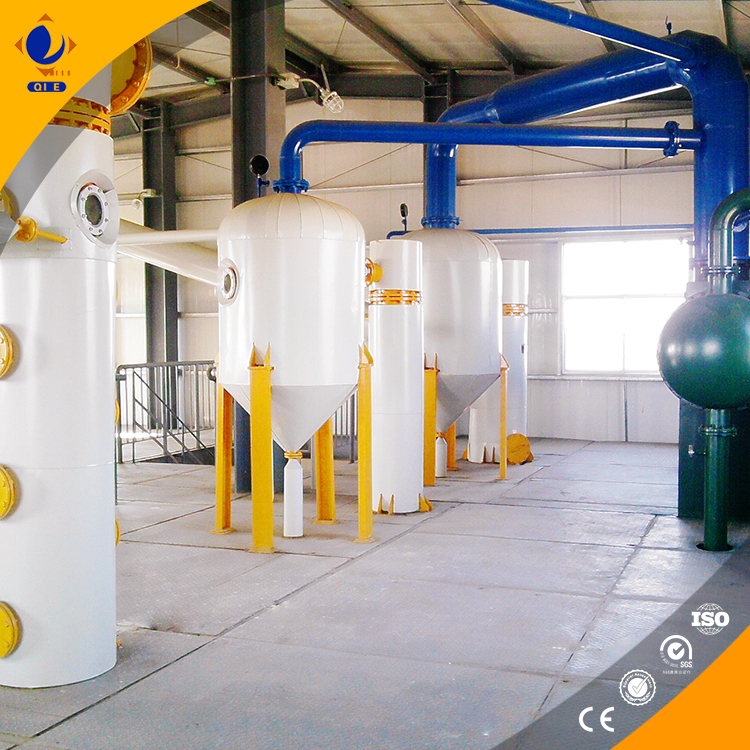
Implementing a structured maintenance program reduces unplanned downtime by up to 35% and ensures consistent oil yield. Key elements include:
| Component | Inspection Frequency | Maintenance Action |
|---|---|---|
| Press Screws | Weekly | Check for wear, measure clearance (should be <0.3mm) |
| Hydraulic System | Bi-weekly | Oil level check, filter replacement |
| Temperature Sensors | Monthly | Calibration against reference thermometer |
Even the most advanced automatic peanut oil production line relies on skilled operators. Comprehensive training programs that emphasize parameter adjustment based on raw material characteristics can reduce oil residue by 2-3%. Operators should be trained to recognize visual cues, such as press cake color and texture, which indicate optimal processing conditions.
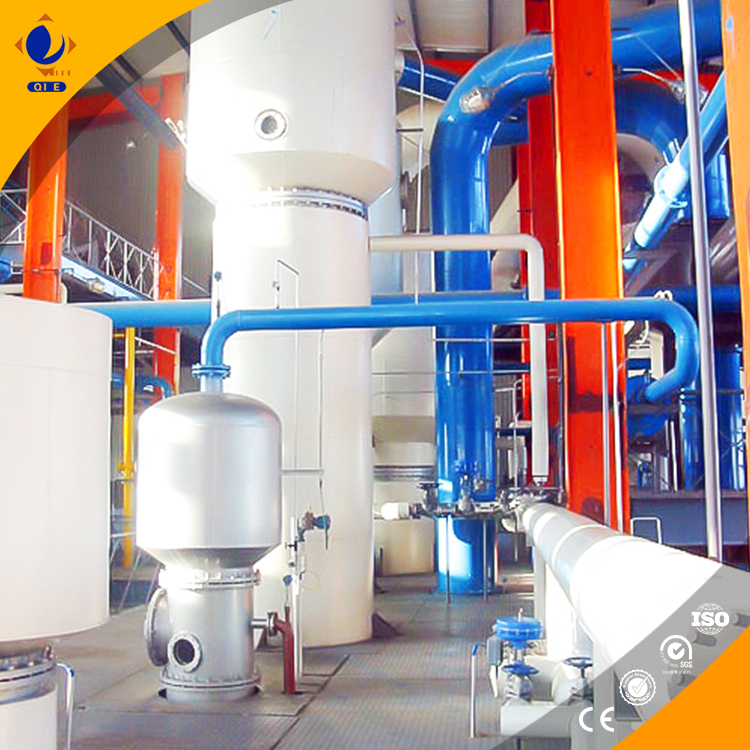
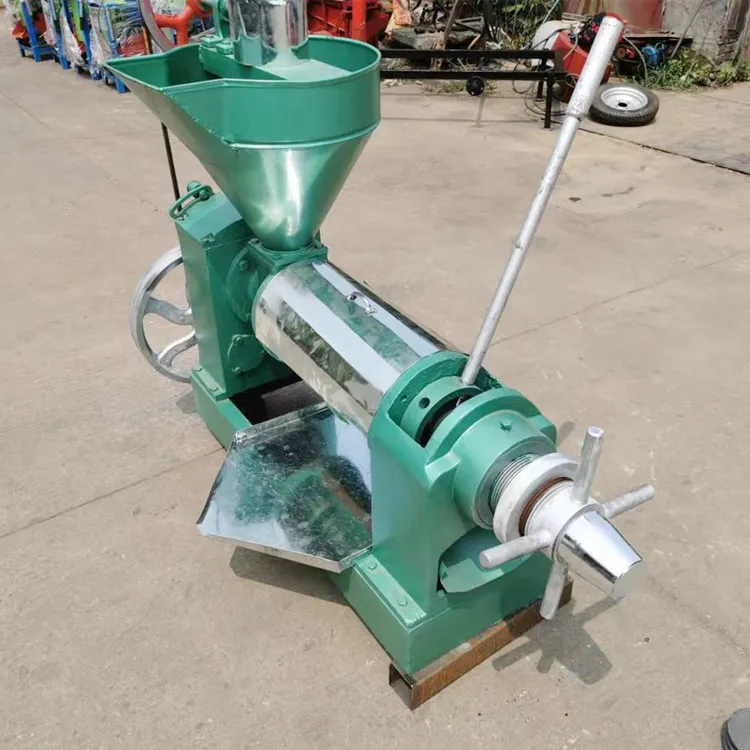
Discover how 企鹅集团 (Penguin Group)'s advanced peanut oil processing equipment combines precision engineering with intelligent automation to minimize oil residue and maximize yield. Our integrated cold and hot pressing systems, backed by 24/7 technical support, ensure consistent performance even under varying raw material conditions.
Schedule a Technical ConsultationRemember that each production environment has unique characteristics, and what works for one facility may require adjustment for another. Regular data collection on oil yield, residue levels, and maintenance activities creates a valuable knowledge base for continuous improvement. By combining technical best practices with quality equipment, producers can achieve consistent results and maintain a competitive edge in the edible oil market.
 soybean oil refining equipment
modular oil refinery plant
automatic oil refining control system
refined soybean oil quality monitoring
equipment installation and commissioning
sunflower oil filtration equipment selection
industrial oil purifier capacity
food grade stainless steel filter
ISO certified oil purifier
sunflower oil production line
cold press peanut oil
hot press peanut oil
peanut oil yield
peanut oil nutrition preservation
peanut oil processing technology
sunflower oil purification technology
centrifugal separation principle
sunflower oil production equipment
edible oil impurity removal
oil processing efficiency
sunflower oil filtration equipment selection
industrial oil purifier capacity matching
food grade stainless steel oil filter
ISO certified oil filtration equipment
sunflower oil production filtration solution
soybean oil refining equipment
modular oil refinery plant
automatic oil refining control system
refined soybean oil quality monitoring
equipment installation and commissioning
sunflower oil filtration equipment selection
industrial oil purifier capacity
food grade stainless steel filter
ISO certified oil purifier
sunflower oil production line
cold press peanut oil
hot press peanut oil
peanut oil yield
peanut oil nutrition preservation
peanut oil processing technology
sunflower oil purification technology
centrifugal separation principle
sunflower oil production equipment
edible oil impurity removal
oil processing efficiency
sunflower oil filtration equipment selection
industrial oil purifier capacity matching
food grade stainless steel oil filter
ISO certified oil filtration equipment
sunflower oil production filtration solution


.png?x-oss-process=image/resize,h_100,m_lfit/format,webp)
.png?x-oss-process=image/resize,h_100,m_lfit/format,webp)
.png?x-oss-process=image/resize,h_100,m_lfit/format,webp)


.jpg?x-oss-process=image/resize,h_800,m_lfit/format,webp)