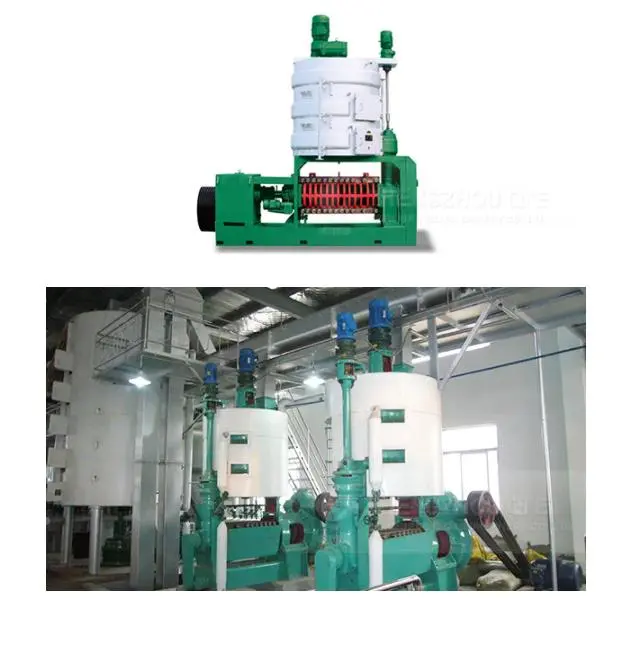
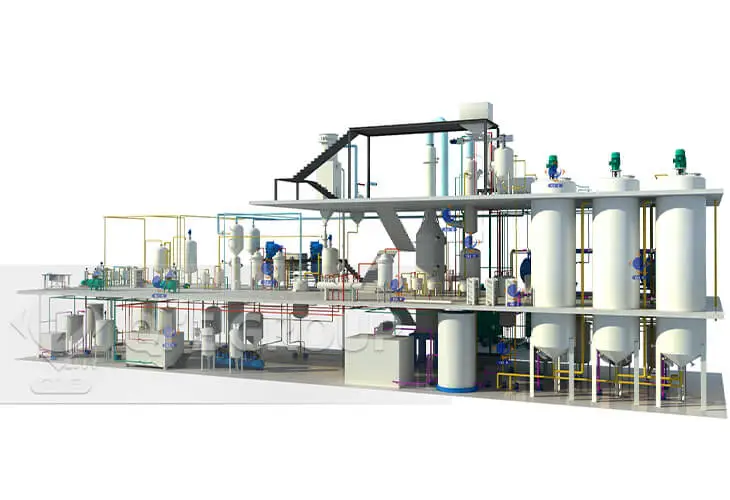
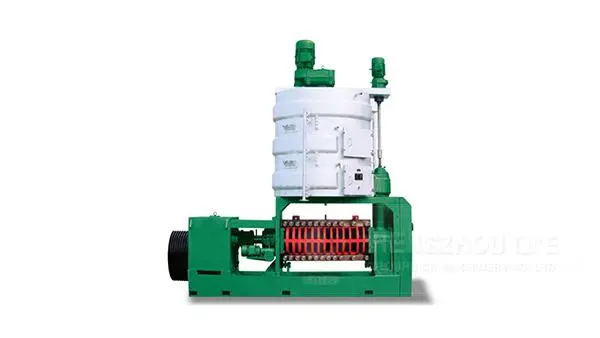
In the edible oil processing industry, every percentage point reduction in residual oil content translates directly to increased profitability and product quality. For operators of automatic peanut oil production lines, excessive oil content in pomace—typically beyond the industry-accepted benchmark of 5-7%—represents not just product loss but potential equipment damage and quality control issues. This comprehensive guide draws on 15+ years of field experience to provide systematic troubleshooting protocols specifically designed for automatic peanut oil extraction systems.
Before implementing solutions, it's critical to understand the multifaceted nature of this common issue. Analysis of over 200 troubleshooting cases across various production scales reveals four primary contributing factors:

Preventative maintenance significantly reduces failure incidence. Implement this 15-minute inspection routine before each production run to identify potential issues before they impact operations:
| Component | Inspection Points | Acceptance Criteria |
|---|---|---|
| Hydraulic System | Oil level, pressure gauge calibration, hose integrity | ±5% pressure variance, no visible leaks |
| Temperature Sensors | Calibration check, response time | ±2°C accuracy, <3 second response |
| Filter Assemblies | Mesh integrity, alignment, sealing | No tears, uniform gap spacing, proper seating |
Optimal压榨压力 (pressing pressure) settings vary by peanut variety and moisture content. For Spanish peanuts with 6-7% moisture, maintain primary pressure at 28-32 MPa during the initial compression phase, gradually increasing to 35-38 MPa for the final extraction stage. Use the following calibration procedure:
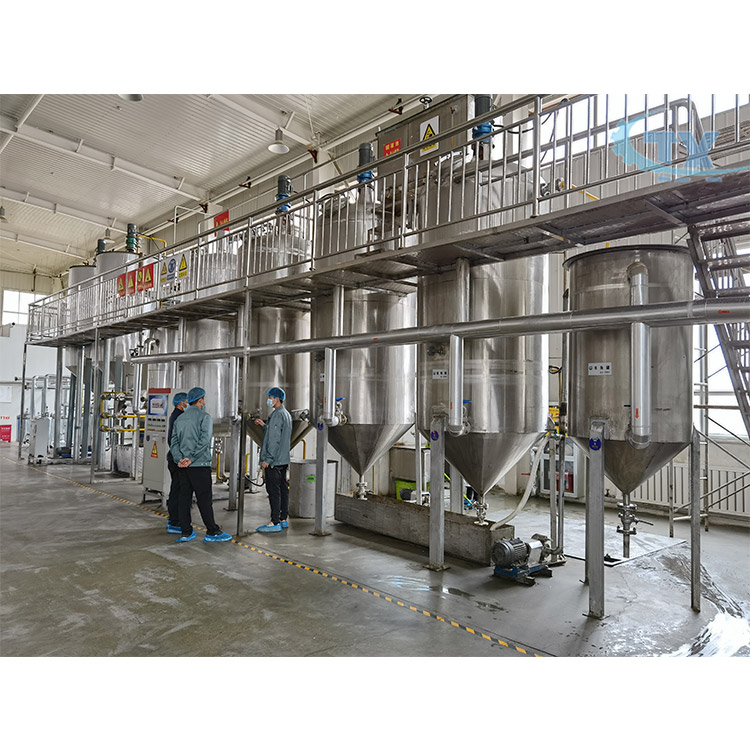
Temperature precision directly impacts oil viscosity and flow characteristics. Install secondary temperature sensors at the discharge end of the press to verify the 125-135°C optimal range. Common issues include:
Overheating (>145°C): Causes protein denaturation and oil binding, increasing residual content by 1.5-2% on average
Underheating (<115°C): Results in higher oil viscosity, reducing flow through filter media by up to 30%
滤网 (Filter screen) maintenance frequency depends on production volume. For continuous 24-hour operations, implement this schedule:
Selecting the appropriate mesh size is critical—100-120 mesh works best for most peanut varieties. Finer meshes (150+) may reduce throughput by 15-20% while offering minimal improvement in oil separation.
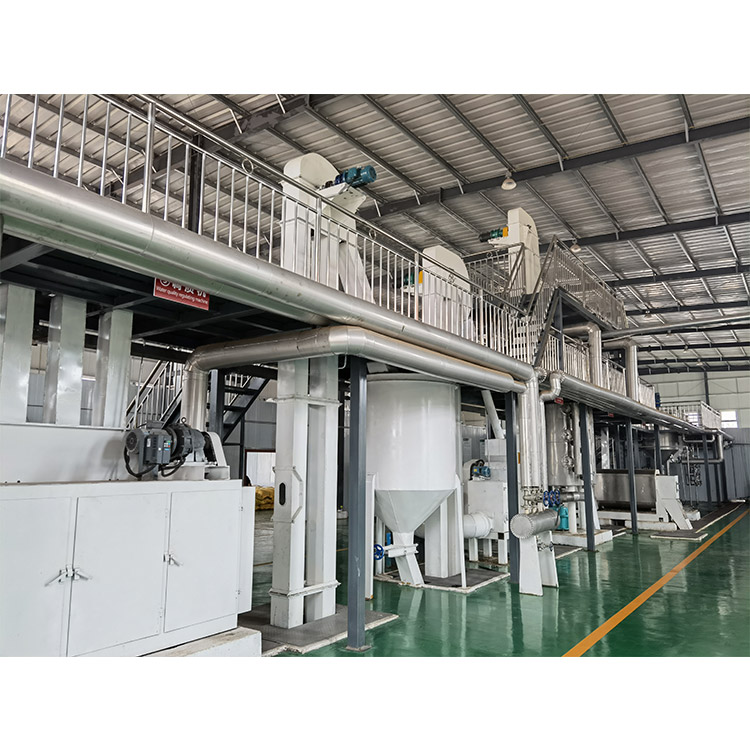
A mid-sized processor in Shandong Province was experiencing consistent pomace oil content of 9.2-10.5% despite following standard operating procedures. Our technical team implemented a comprehensive troubleshooting protocol that identified three concurrent issues:
After implementing corrective actions—recalibrating pressure systems, installing additional heating elements, and establishing proper filter alignment protocols—the facility achieved consistent residual oil content of 6.1-6.8%, resulting in annual oil recovery increase of approximately 3,200kg and ROI on adjustments within 45 days.
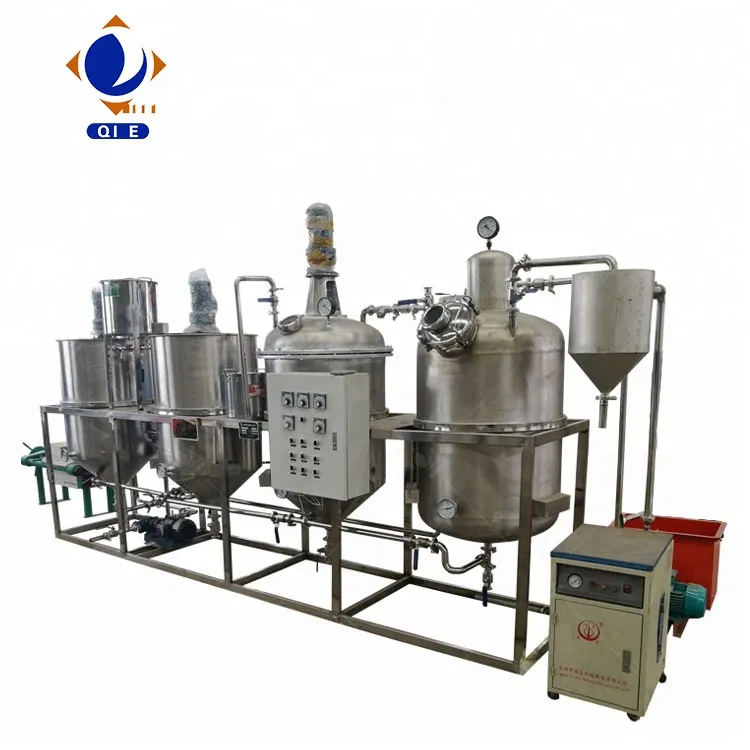
企鹅集团 (Penguin Group) offers premium automatic peanut oil production lines equipped with intelligent pressure and temperature control systems designed to minimize residual oil content while maximizing throughput. Our comprehensive after-sales support includes on-site calibration, operator training, and personalized maintenance schedules.
Schedule a Free Production Efficiency AnalysisRemember that consistent performance requires systematic maintenance rather than reactive troubleshooting. Establishing a preventive maintenance program with documented procedures reduces unscheduled downtime by 40-50% on average, according to industry benchmarks. Regularly review your process parameters against changing peanut quality characteristics, and don't hesitate to consult with equipment specialists when facing persistent issues.
Each production facility presents unique challenges based on peanut varieties, climate conditions, and equipment configuration. The most successful operators combine standardized procedures with adaptability to specific operating conditions, regularly analyzing pomace samples and making incremental adjustments to maintain optimal performance.
 sunflower oil purification
centrifugal oil purifier
centrifugal separation technology
oil purity improvement
production efficiency optimization
peanut oil refining process
temperature control in oil refining
vacuum degree impact on oil quality
decolorization and deodorization technology
Penglai Group oil refining equipment
sunflower oil filtration equipment selection
industrial oil purifier capacity
food grade stainless steel filter
ISO certified oil purifier
sunflower oil production line
peanut oil refining
temperature control
vacuum degree adjustment
oil stability
automated refining system
sunflower oil purification
centrifugal separation technology
centrifugal purifier
QIE Group
food-grade oil processing
sunflower oil purification
centrifugal oil purifier
centrifugal separation technology
oil purity improvement
production efficiency optimization
peanut oil refining process
temperature control in oil refining
vacuum degree impact on oil quality
decolorization and deodorization technology
Penglai Group oil refining equipment
sunflower oil filtration equipment selection
industrial oil purifier capacity
food grade stainless steel filter
ISO certified oil purifier
sunflower oil production line
peanut oil refining
temperature control
vacuum degree adjustment
oil stability
automated refining system
sunflower oil purification
centrifugal separation technology
centrifugal purifier
QIE Group
food-grade oil processing





.png?x-oss-process=image/resize,h_100,m_lfit/format,webp)
.png?x-oss-process=image/resize,h_100,m_lfit/format,webp)
.png?x-oss-process=image/resize,h_100,m_lfit/format,webp)