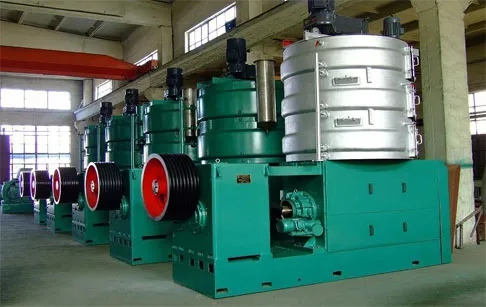
Practical guidance for edible oil processing projects
Selecting oil processing equipment requires more than comparing machine prices. The suitable solution depends on the raw material, required capacity, production process, automation level, energy conditions, product positioning, and target market. Qi'e Grain and Oil Machinery Co., Ltd. provides oil pressing equipment, oil extraction systems, edible oil refining equipment, and complete production line solutions for overseas edible oil processing projects.
Different oilseeds have different preparation, pressing, extraction, and refining requirements. Before selecting equipment, buyers should identify the main raw material and define the expected characteristics of the finished oil.
Consider sunflower seeds, soybeans, palm kernels, peanuts, sesame, or other oil-bearing materials. The seed condition, oil content, moisture, cleanliness, and required pretreatment influence equipment selection and operating results.
A project may focus on cooking oil, a health-oriented cold-pressed product, cosmetic applications, or industrial use. This positioning helps determine whether the process should emphasize gentle pressing, higher throughput, filtration, or further refining.
Oil processing projects commonly combine several equipment stages. The right configuration should match the project’s raw materials and production objectives rather than relying on a single standard machine.
| Equipment category | Primary role | Key selection considerations |
|---|---|---|
| Oil pressing equipment | Mechanically presses oil from prepared oilseeds. | Raw material, pressing method, capacity, power consumption, oil yield, and operating temperature. |
| Oil extraction equipment | Supports oil recovery through an extraction process for suitable production applications. | Raw material characteristics, process design, production scale, energy management, and downstream requirements. |
| Edible oil refining equipment | Provides further treatment for crude oil when the project requires refined edible oil. | Desired oil quality, process configuration, capacity, utilities, and applicable market requirements. |
| Complete production line | Integrates multiple stages into a coordinated oil processing solution. | Material flow, site layout, automation needs, installation, technical service, and future expansion plans. |
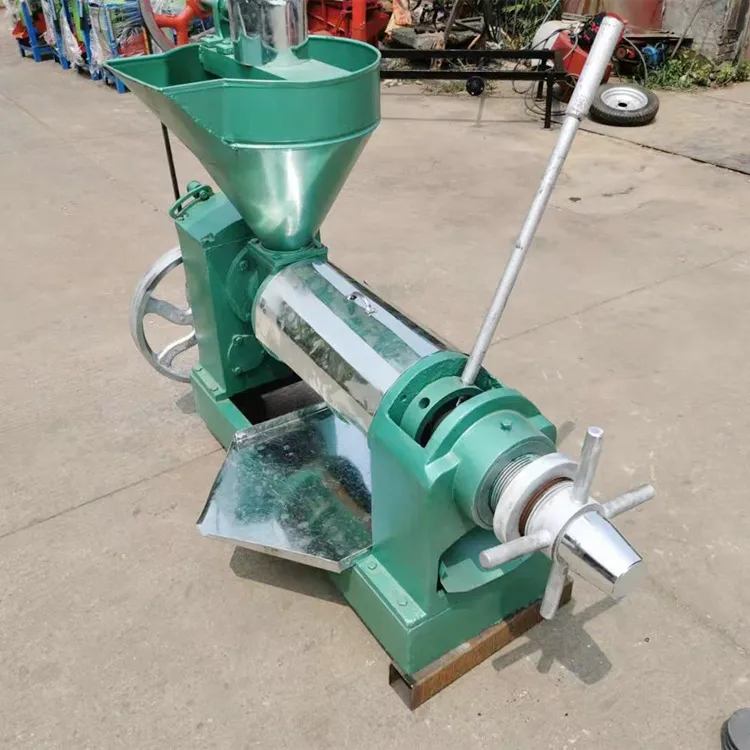
A sunflower oil pressing machine uses mechanical pressure to extract oil from sunflower seeds. It can support oil production for cooking, cosmetic, and industrial applications. The operating configuration should be selected according to the desired oil characteristics, available space, and planned production scale.
The seeds are pressed without intentional heating. This approach is suitable for projects that place emphasis on retaining more of the seed’s natural nutrients and antioxidants and positioning the oil as a health-oriented product.
The seeds are heated before pressing. This configuration can support higher oil output and is commonly considered for commercial production where throughput and process efficiency are important.
An integrated oil press includes a filtration function so that oil can be filtered during pressing. It is useful when a more compact workflow and cleaner output are priorities.
The following reference ranges describe the sunflower oil pressing machine information available for this product category. Actual specifications should be confirmed according to the selected model, raw material condition, and project configuration.
| Factor | Reference information | Why it matters |
|---|---|---|
| Production capacity | Approximately 5 kg/h to 50 t/day, depending on model and scale. | Helps match the machine to household, small-business, or commercial production needs. |
| Power consumption | Typically 0.75 kW to 22 kW, depending on size and type. | Supports evaluation of electrical supply, operating cost, and site conditions. |
| Oil yield | Generally 35% to 50%, depending on seed quality and machine efficiency. | Provides a reference for comparing process expectations and raw material utilization. |
| Operating temperature | Hot-press models operate at approximately 60°C–120°C; cold-press models remain below 60°C. | Influences product positioning, process control, and the choice between cold and hot pressing. |
| Construction material | High-quality stainless steel or cast iron, depending on the machine design. | Affects durability, maintenance considerations, and suitability for food-processing environments. |
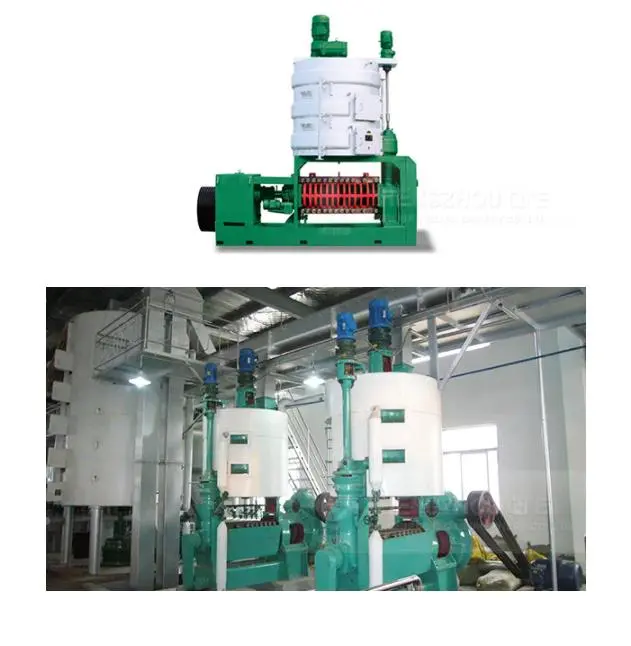
A compact machine may be appropriate when the project has limited space, a smaller initial investment scope, or a local-market focus. A larger press or complete production line may be more suitable when the buyer has stable raw material availability and intends to serve a broader commercial market.
Automation should also be evaluated in relation to labor availability, operating skills, process consistency, maintenance capability, and future expansion. The most appropriate solution is not necessarily the most automated one; it is the configuration that fits the project’s actual operating conditions.
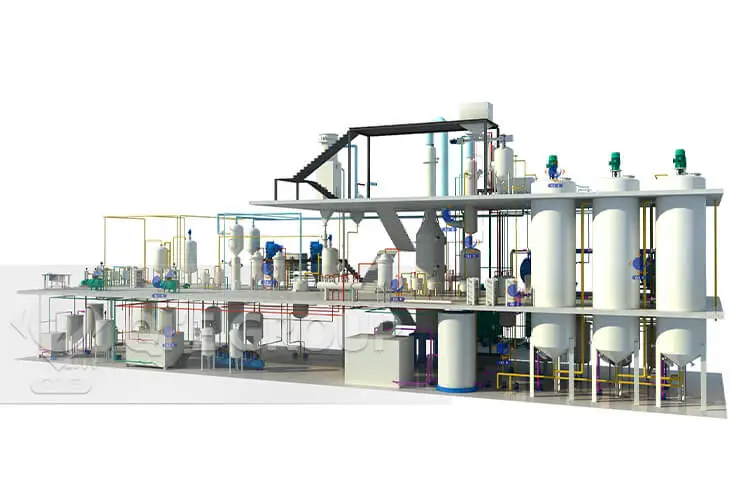
A complete oil production line can be considered when the project requires coordinated handling of several stages, such as seed preparation, pressing or extraction, filtration, and edible oil refining. An integrated design helps buyers evaluate the relationship between individual machines, material flow, capacity, utilities, and finished-product requirements.
For projects involving sunflower oil, soybean oil, palm oil, palm kernel oil, or other vegetable oils, the final configuration should be developed around the selected raw material and process route. Qi'e Grain and Oil Machinery Co., Ltd. can support equipment planning, production line design, installation, and technical service within its grain and oil machinery business scope.
Qi'e Grain and Oil Machinery Co., Ltd. develops, manufactures, sells, and services grain and oil machinery, including oil pressing equipment, oil production line equipment, and edible oil refining equipment. The company’s approach combines equipment supply with project-oriented support, helping B2B buyers consider design, installation, and technical service together with the machinery itself.
For an accurate equipment recommendation, buyers should provide the raw material, desired capacity, pressing or extraction preference, expected oil application, available utilities, and destination market. These details enable a more relevant comparison between an individual sunflower oil pressing machine and a complete oil processing production line.
 Qi'e Grain and Oil Machinery Co., Ltd. turnkey grain and oil processing equipment oil pressing equipment plant oil extraction equipment edible oil refining equipment
project delivery installation and commissioning production stability supplier capability oil production line Penguin Group
oil press equipment procurement procurement mistakes whole-line compatibility after-sales service Qi'e Grain and Oil Machinery Co., Ltd.
grain and oil machinery equipment oil production line oil pressing equipment edible oil refining equipment Qi'e Grain and Oil Machinery Co., Ltd.