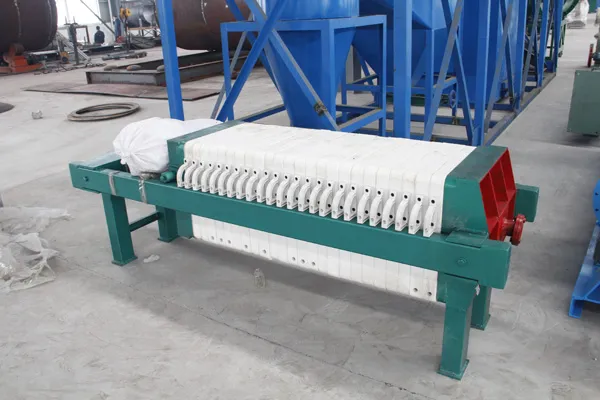
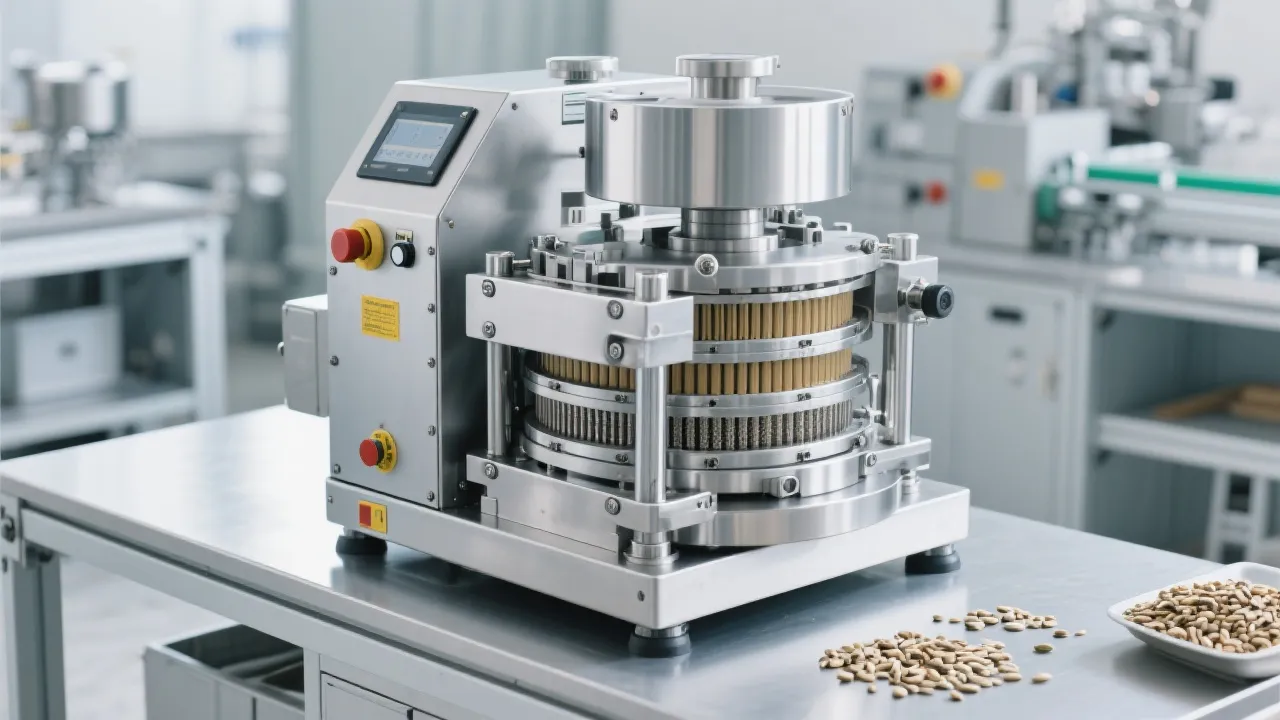
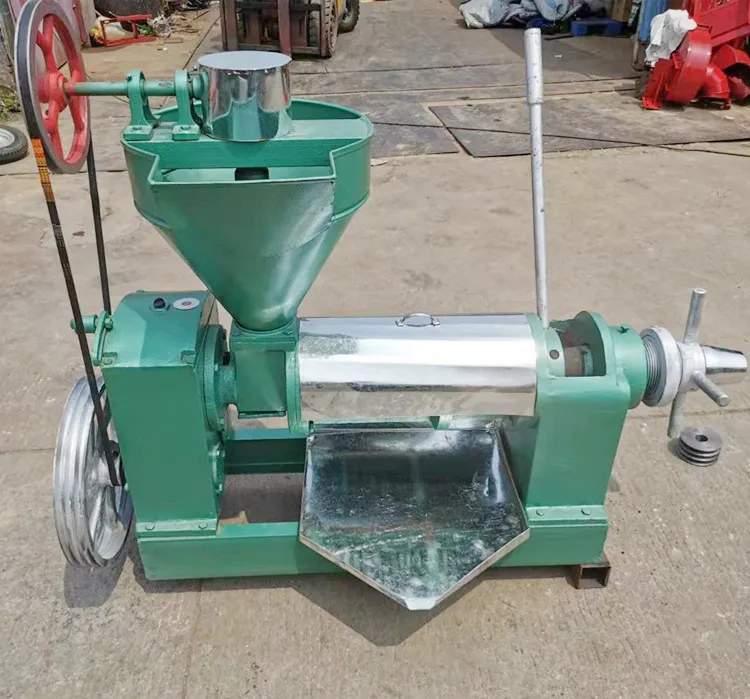
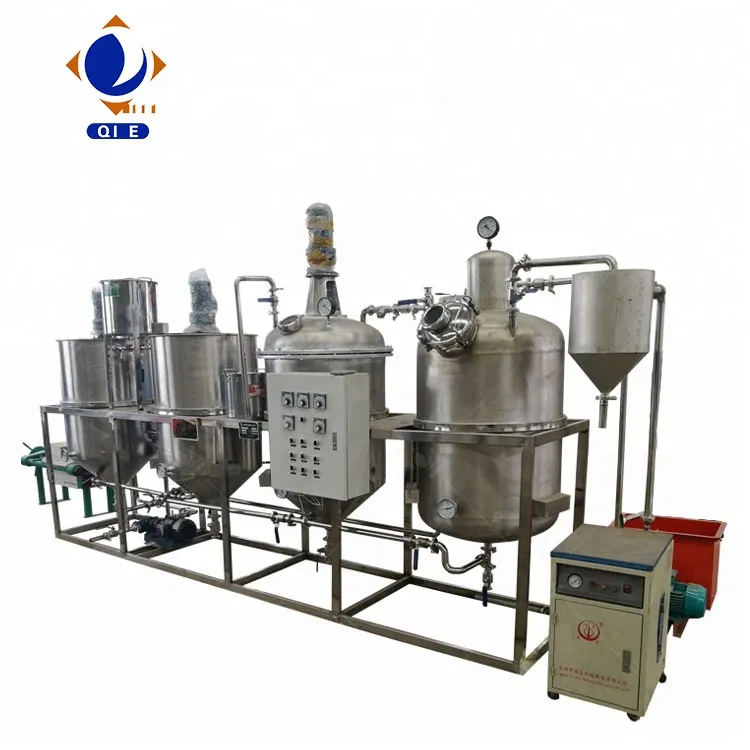
The journey from crude oil to high-quality edible oil involves a series of sophisticated refining processes that transform raw material into a product meeting food safety standards, nutritional requirements, and consumer expectations. As a leading manufacturer of edible oil processing equipment, Qi'e Grain and Oil Machinery Co., Ltd. brings decades of engineering expertise to optimizing these critical refining steps. This article explores the fundamental processes that define modern edible oil refining production lines.
Crude vegetable oil, regardless of source—whether from soybeans, palm, sunflower, or other oilseeds—contains various impurities that affect taste, stability, appearance, and nutritional quality. These include phospholipids, free fatty acids, pigments, odors, and trace contaminants. The edible oil refining production line systematically removes or reduces these components through a series of interconnected processes.
The initial refining step targets phospholipids (gums) that can cause cloudiness and reduce oil stability. Through controlled hydration or acid treatment, these hydrophilic compounds are separated from the oil matrix. Qi'e Grain and Oil Machinery Co., Ltd.'s degumming systems efficiently remove these impurities while minimizing oil loss, ensuring optimal downstream processing efficiency.
Free fatty acids (FFAs) in crude oil contribute to unpleasant taste and lower smoke points. Deacidification typically employs either chemical neutralization with alkalis or physical distillation under vacuum. Qi'e's deacidification equipment is engineered to precisely control FFA levels, balancing oil quality requirements with process economics to meet diverse product specifications.
Natural pigments like carotenoids and chlorophyll affect oil appearance and may impact stability. Decolorization uses adsorbents such as activated clay or carbon to remove these compounds. Qi'e Grain and Oil Machinery Co., Ltd.'s decolorization systems optimize contact time, temperature, and adsorbent usage to achieve desired color specifications while maintaining oil quality and minimizing processing costs.
The final critical step removes volatile compounds responsible for undesirable odors and flavors. Using high temperature and vacuum conditions, these compounds are stripped from the oil. Qi'e's deodorization technology ensures effective removal of off-flavors while preserving beneficial components, resulting in a neutral, stable product with extended shelf life.
These refining steps function as an integrated system where each process impacts subsequent operations. Qi'e Grain and Oil Machinery Co., Ltd. specializes in designing complete edible oil refining production lines that balance efficiency, product quality, and environmental considerations. Our engineering approach ensures seamless process integration, optimized energy usage, and consistent product output across different oilseed types and production scales.
| Refining Step | Quality Impact | Process Control Parameters |
|---|---|---|
| Degumming | Improves oil stability, prevents cloudiness | Temperature, water addition, mixing intensity |
| Deacidification | Reduces acidity, improves taste, increases smoke point | Alkali concentration, reaction time, temperature |
| Decolorization | Enhances color, removes pigment-related oxidation factors | Adsorbent type, dosage, contact time, temperature |
| Deodorization | Improves flavor, removes volatile compounds, extends shelf life | Temperature, vacuum level, stripping steam rate |
"The edible oil refining process is both a science and an art, requiring precise control of multiple variables to balance quality, efficiency, and cost. At Qi'e Grain and Oil Machinery Co., Ltd., our equipment designs reflect decades of experience in optimizing these critical processes for diverse oilseeds and production requirements."
Understanding these key process steps provides valuable insight into how raw crude oil is transformed into the high-quality edible oil products consumed worldwide. Qi'e Grain and Oil Machinery Co., Ltd. remains committed to advancing refining technology through innovation, ensuring our clients have access to equipment that meets the evolving demands of the global edible oil industry. From small-scale operations to large industrial facilities, our edible oil refining solutions are engineered to deliver consistent results, operational efficiency, and product quality.
 soybean oil refining equipment
modular oil refinery plant
automatic oil refining control system
refined soybean oil quality monitoring
equipment installation and commissioning
equipment procurement mistakes
grain and oil processing
production line efficiency
equipment selection evaluation
Qi'e Grain and Oil Machinery Co., Ltd.
sunflower oil purification technology
centrifugal separation principle
sunflower oil production equipment
edible oil impurity removal
oil processing efficiency
industrial sunflower oil press
oil pressing process
oil yield improvement
oil press equipment maintenance
Pengo Group
sunflower oil filtration equipment selection
industrial oil purifier capacity matching
food grade stainless steel oil filter
ISO certified oil filtration equipment
sunflower oil production filtration solution
soybean oil refining equipment
modular oil refinery plant
automatic oil refining control system
refined soybean oil quality monitoring
equipment installation and commissioning
equipment procurement mistakes
grain and oil processing
production line efficiency
equipment selection evaluation
Qi'e Grain and Oil Machinery Co., Ltd.
sunflower oil purification technology
centrifugal separation principle
sunflower oil production equipment
edible oil impurity removal
oil processing efficiency
industrial sunflower oil press
oil pressing process
oil yield improvement
oil press equipment maintenance
Pengo Group
sunflower oil filtration equipment selection
industrial oil purifier capacity matching
food grade stainless steel oil filter
ISO certified oil filtration equipment
sunflower oil production filtration solution


.png?x-oss-process=image/resize,h_100,m_lfit/format,webp)
.png?x-oss-process=image/resize,h_100,m_lfit/format,webp)
.png?x-oss-process=image/resize,h_100,m_lfit/format,webp)