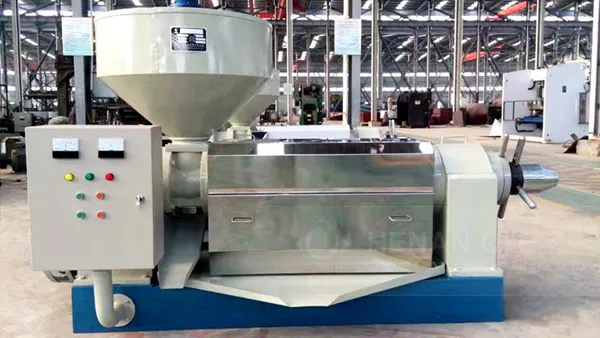
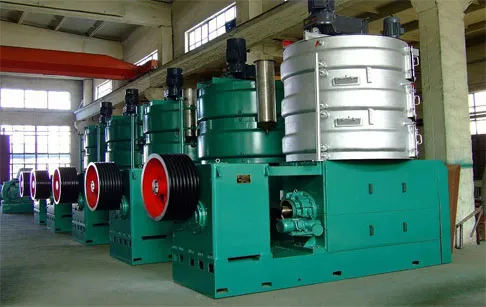
Selecting the right edible oil processing technology is a critical decision that directly impacts product quality, production efficiency, and overall business profitability. As a leading manufacturer of oil processing equipment, Qi'e Grain and Oil Machinery Co., Ltd. provides this comprehensive guide to help you understand the key differences between cold pressing, hot pressing, and solvent extraction methods, enabling you to make informed equipment selections based on your specific needs.
The cold press method extracts oil at temperatures below 60°C (140°F) without any pre-heating of the raw materials. This gentle process preserves the natural flavor, nutrients, and bioactive compounds in the oil.
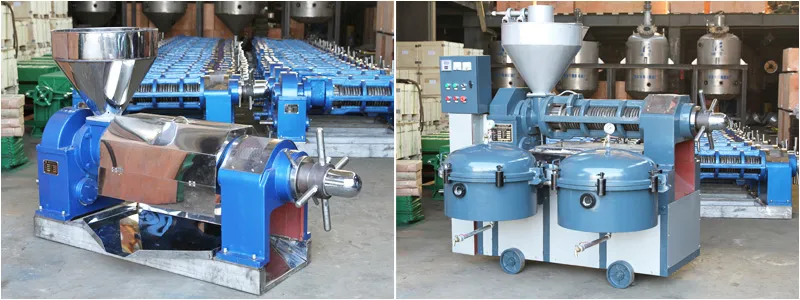
Hot pressing involves pre-heating the oilseeds to 80-120°C (176-248°F) before extraction. The heat breaks down cell structures, increasing oil yield and making the pressing process more efficient.
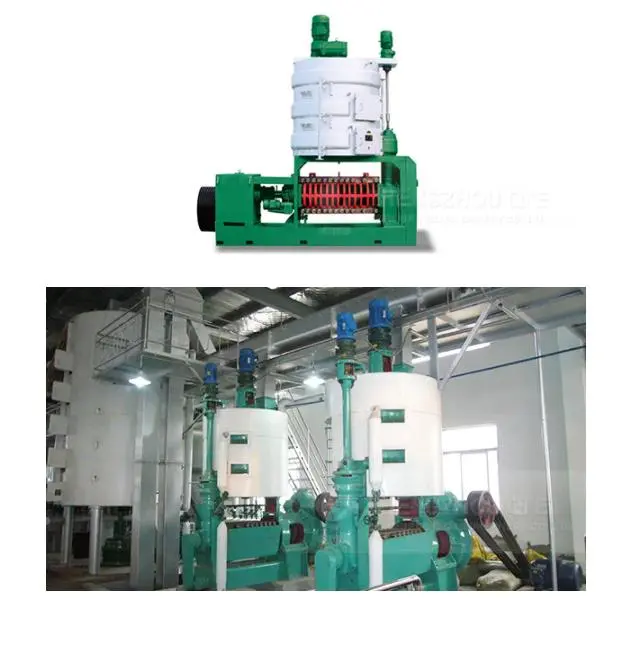
Solvent extraction uses food-grade solvents to extract oil from oilseeds, typically achieving the highest oil yields. The process involves solvent recovery and multiple refining stages to produce high-quality edible oil.
| Selection Criteria | Cold Press | Hot Press | Solvent Extraction |
|---|---|---|---|
| Oil Yield | Low (60-75%) | Medium (75-90%) | High (95-99%) |
| Investment Cost | Low to Medium | Medium | High |
| Operating Cost | Low | Medium | High |
| Product Quality | High (minimal processing) | Medium (some nutrient loss) | High (after refining) |
| Best For | Small scale, specialty oils | Medium scale, traditional oils | Large scale, commercial production |
When selecting oil processing equipment, consider your raw material characteristics, production scale, target market, and quality requirements. For small-scale producers focusing on premium, unrefined oils, our cold press oil machine offers an ideal solution. Medium operations may benefit from our hot press systems, while large commercial facilities should consider solvent extraction equipment for maximum efficiency.
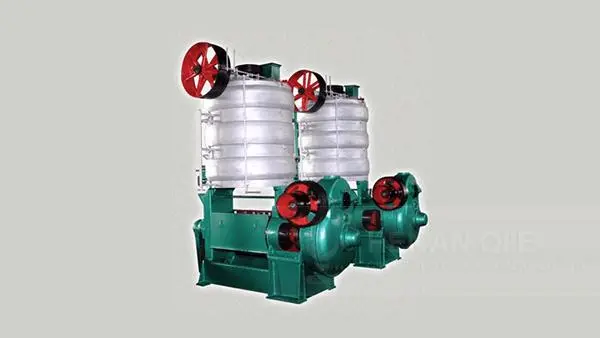
Suitable for: Rapeseed, sunflower seed, sesame, walnut, and other high-value oilseeds
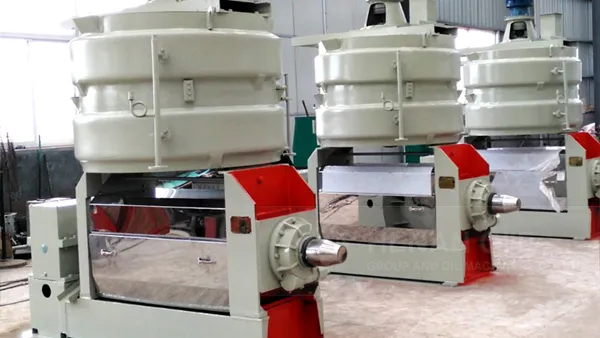
Suitable for: Soybean, peanut, cottonseed, palm kernel, and most common oilseeds
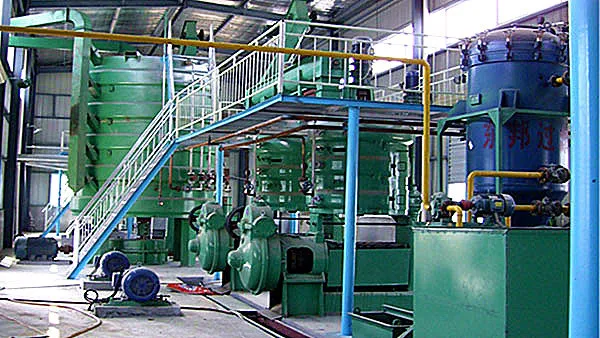
Suitable for: Large-scale production with various oilseeds
The level of refining required varies significantly between the three processes:
Cold Pressed Oils: Typically require minimal refining, often just filtration to remove sediment. This preserves natural nutrients and flavor compounds, making it ideal for premium, unrefined oil products.
Hot Pressed Oils: Generally require partial refining to remove impurities, free fatty acids, and pigments. Our edible oil refinery machine can efficiently process these oils to meet standard edible oil specifications.
Solvent Extracted Oils: Require comprehensive refining including degumming, neutralization, bleaching, and deodorization to produce high-quality edible oil. Solvent extraction is typically followed by a complete refining line for commercial-grade oil production.
The optimal oil processing technology depends on multiple factors specific to your business. Small-scale producers or those focusing on specialty, organic, or premium oils often find cold pressing most suitable. Medium-sized operations typically opt for hot pressing as a balance between yield and investment. Large commercial facilities processing high volumes of oilseeds generally choose solvent extraction for maximum efficiency and oil recovery.
"At Qi'e Grain and Oil Machinery Co., Ltd., we don't just supply equipment—we provide comprehensive solutions tailored to your specific needs. Our team of experts can help evaluate your raw materials, production goals, and market requirements to recommend the optimal processing technology."
With over 120 countries served and a reputation for quality and reliability, Qi'e Grain and Oil Machinery Co., Ltd. offers the expertise and equipment to support your edible oil processing venture, whether you're establishing a new mini oil mill plant or expanding an existing production facility.
 peanut oil refining
temperature control
vacuum degree adjustment
oil stability
automated refining system
complete set of grain and oil machinery
oil production line
single machine procurement
whole line delivery
Qi'e Grain and Oil Machinery Co., Ltd.
Peanut Oil Refining
Degumming
Deacidification
Decolorization
Deodorization
cold press peanut oil
hot press peanut oil
peanut oil yield
peanut oil nutrition preservation
peanut oil processing technology
cold and hot press technology
peanut oil yield
peanut oil nutrition retention
multi-stage pressing
peanut oil refining
temperature control
vacuum degree adjustment
oil stability
automated refining system
complete set of grain and oil machinery
oil production line
single machine procurement
whole line delivery
Qi'e Grain and Oil Machinery Co., Ltd.
Peanut Oil Refining
Degumming
Deacidification
Decolorization
Deodorization
cold press peanut oil
hot press peanut oil
peanut oil yield
peanut oil nutrition preservation
peanut oil processing technology
cold and hot press technology
peanut oil yield
peanut oil nutrition retention
multi-stage pressing



.png?x-oss-process=image/resize,h_100,m_lfit/format,webp)
.png?x-oss-process=image/resize,h_100,m_lfit/format,webp)
.png?x-oss-process=image/resize,h_100,m_lfit/format,webp)


.jpg?x-oss-process=image/resize,m_fill,h_800,w_800/format,webp)