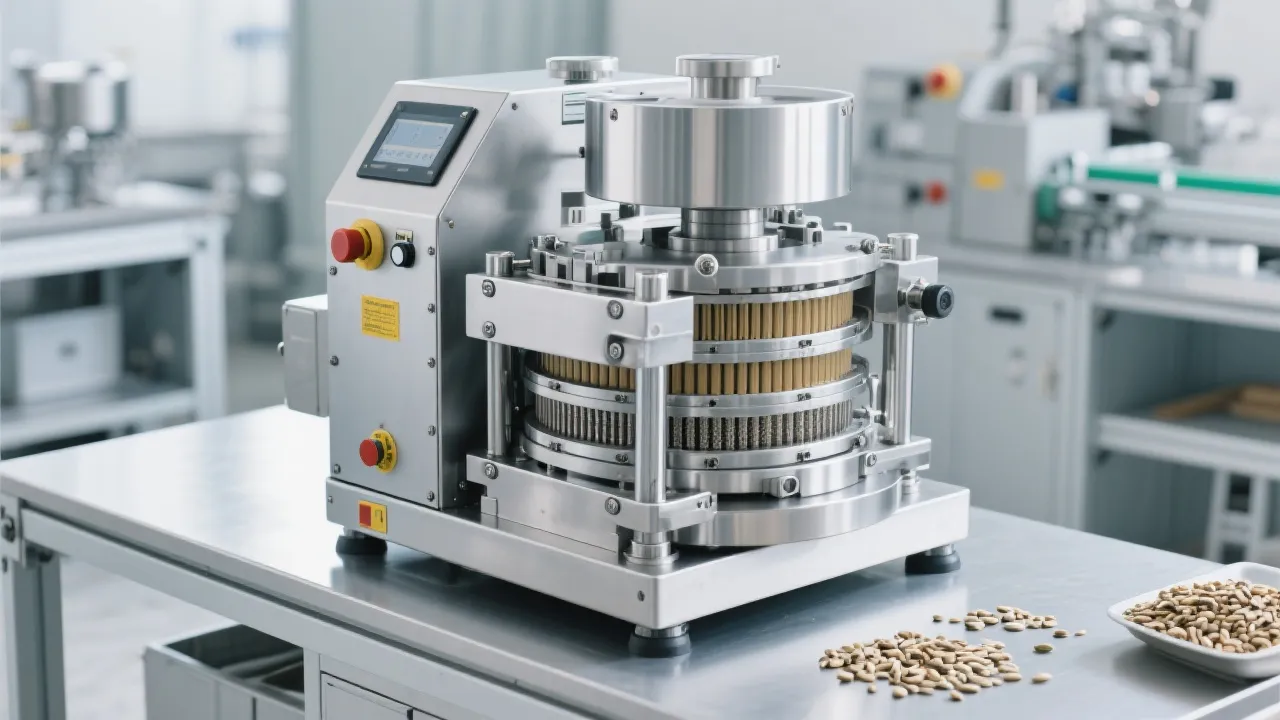
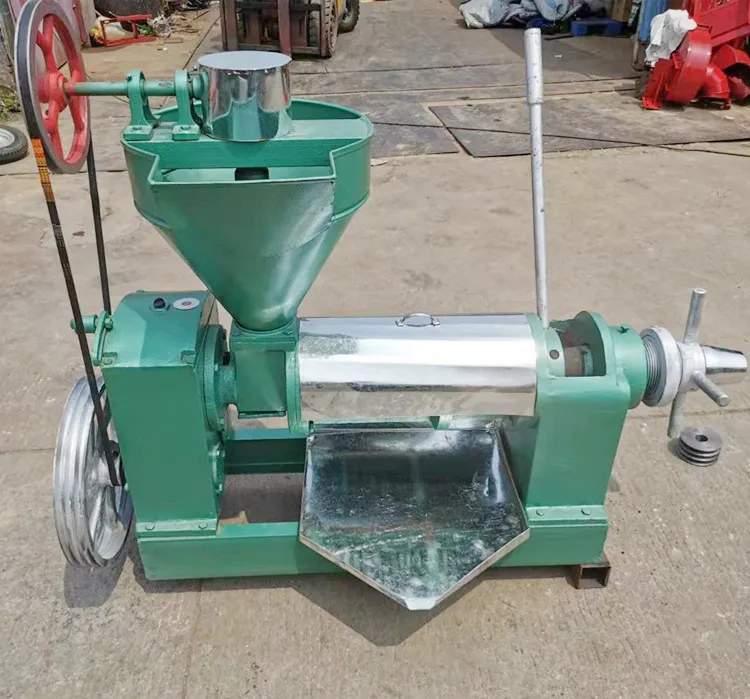
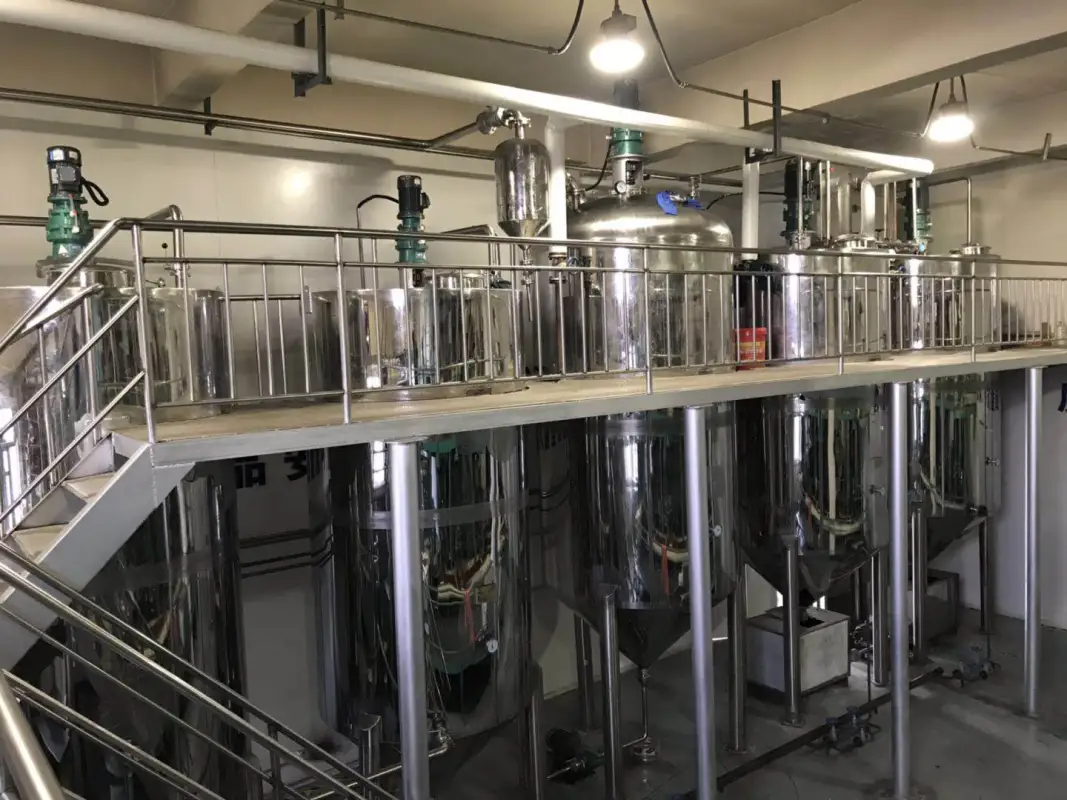
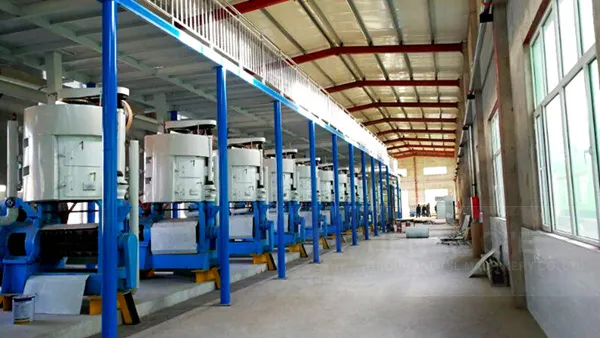
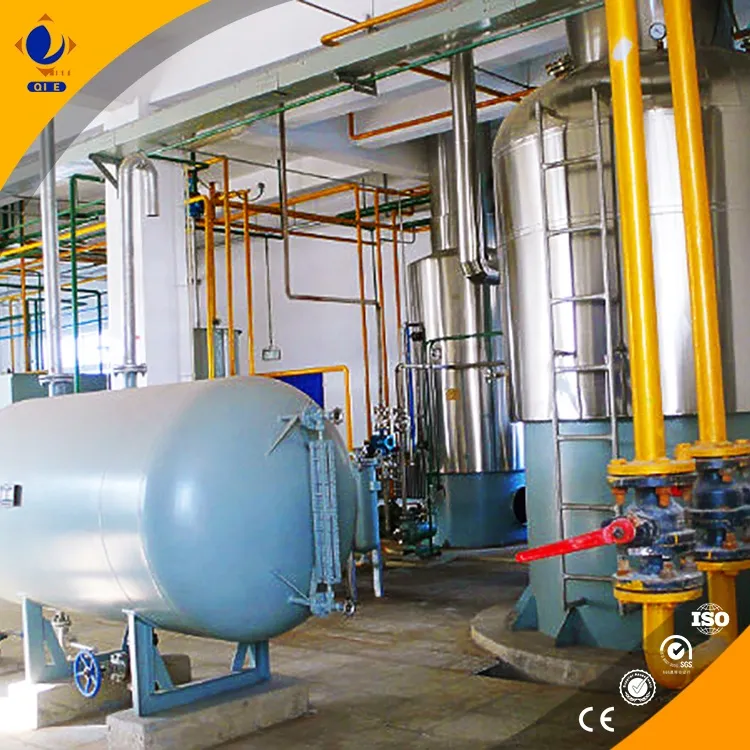
In the competitive landscape of edible oil production, peanut oil manufacturers face the constant challenge of balancing extraction efficiency with nutritional quality. The choice between cold pressing and hot pressing techniques significantly impacts both yield and oil quality, but modern processing has evolved beyond this binary choice. Leading processors now leverage hybrid approaches that combine the strengths of both methods, creating sophisticated multi-stage extraction systems that deliver optimal results.
Cold press extraction operates at temperatures below 49°C (120°F), preserving the natural flavor profile and nutritional components of peanut oil. This method typically yields between 38-42% oil content from high-quality peanuts, according to industry data. In contrast, hot press extraction uses preheating temperatures ranging from 105-120°C (221-248°F) to rupture oil-bearing cells, increasing yield to 45-50% but potentially compromising some heat-sensitive nutrients.
The key distinction lies in the impact on oil composition. Cold pressed oil retains higher levels of tocopherols (vitamin E) – typically 150-200 mg/kg compared to 100-150 mg/kg in hot pressed oil – and natural antioxidants, which contribute to enhanced shelf life and health benefits. However, the hot press method offers greater efficiency and reduced processing time, making it attractive for high-volume production facilities.

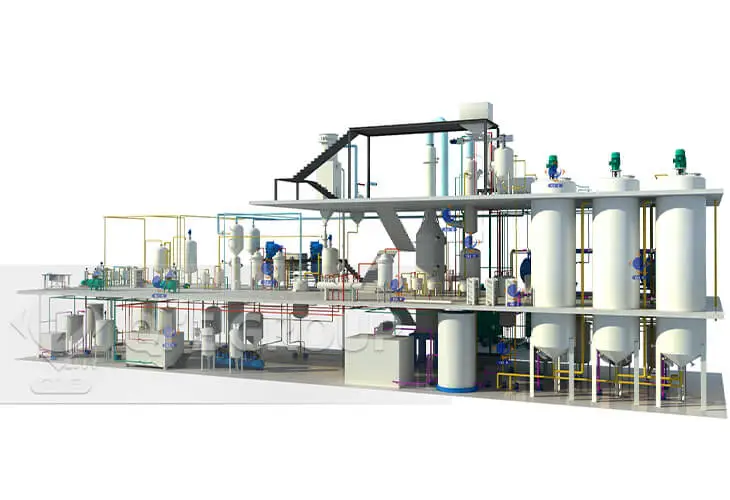
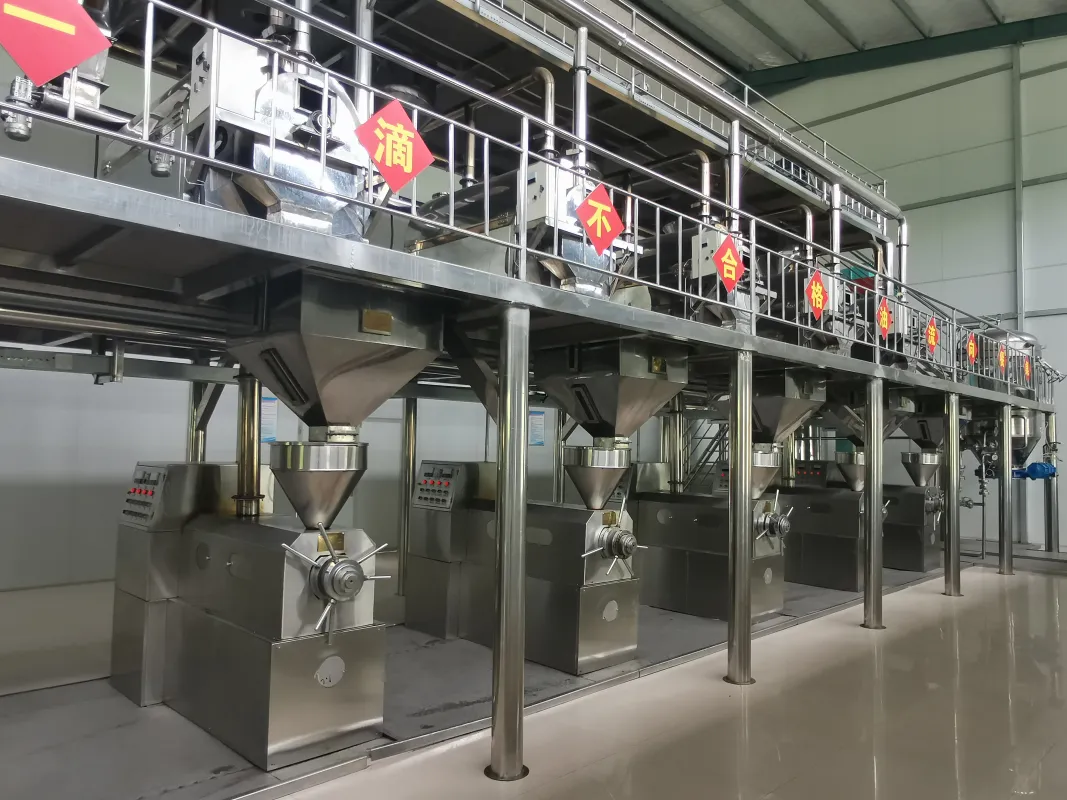
Forward-thinking manufacturers like 企鹅集团 (Penguin Group) have developed integrated systems that harness the advantages of both extraction methods through multi-stage processing. This approach typically involves an initial cold press to capture the highest quality oil fraction, followed by a controlled heat treatment and secondary pressing to maximize yield without significant nutritional degradation.
| Processing Stage | Temperature Range | Oil Yield Contribution | Nutritional Impact | ||||
|---|---|---|---|---|---|---|---|
| Initial Cold Press | 35-49°C (95-120°F) | 65-70% of total yield | Highest retention of nutrients and natural flavor | ||||
| Controlled Heating | 60-80°C (140-176°F) | N/A (preparation stage) | <5% loss of heat-sensitive components | ||||
| Secondary Pressing | 50-65°C (122-149°F) | 25-30% of total yield | Final Filtration | Ambient | 5-10% yield optimization | No nutritional impact |

Successful peanut oil extraction requires precise control of several key variables that directly impact both yield and quality. Among these, moisture content stands out as a critical factor – optimal levels between 6-8% have been shown to increase yield by up to 12% compared to improperly conditioned peanuts.
Pressure application also follows a carefully designed profile. Research indicates that a gradual pressure increase – starting at 15-20 MPa and ramping up to 40-45 MPa over 8-10 minutes – yields 8-10% more oil than constant high-pressure application, while reducing能耗 (energy consumption) by an estimated 15%.
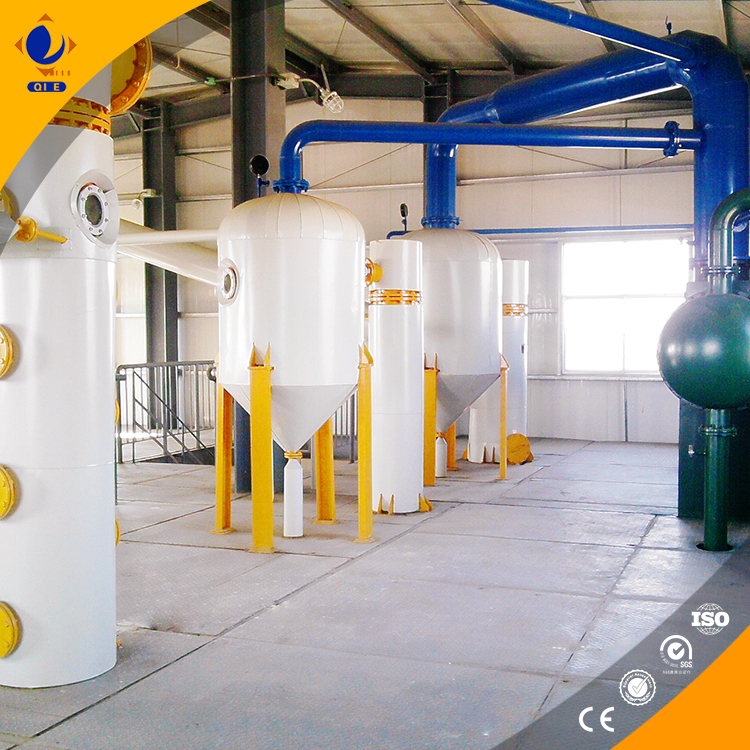
Despite advances in extraction technology, several misconceptions persist in the industry. One prevalent myth is that hot pressing inevitably results in poor-quality oil. In reality, modern controlled-temperature hot pressing systems can maintain nutritional quality while improving yield. Conversely, the belief that cold pressing alone produces superior oil overlooks the efficiency and economic benefits of optimized multi-stage processes.
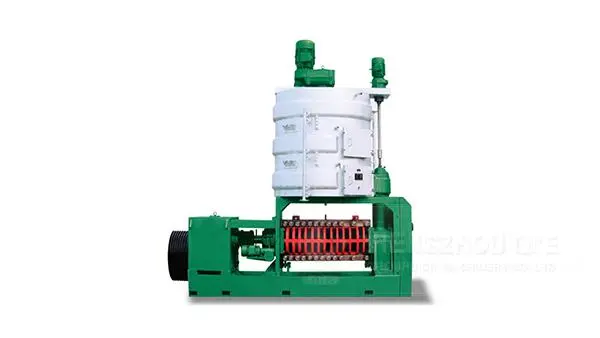
Another common misunderstanding involves equipment selection. Many producers invest in either cold or hot press equipment exclusively, missing the opportunity to implement hybrid systems that capture the advantages of both approaches. Leading manufacturers now offer modular systems that can be configured for different product requirements, providing flexibility without requiring complete facility overhauls.
Access our comprehensive technical whitepaper featuring case studies, detailed process parameters, and equipment selection guides for implementing advanced peanut oil extraction systems.
Download Technical Whitepaper: Advanced Peanut Oil Extraction TechnologiesImplementing an optimized extraction process requires careful attention to operational details beyond just equipment selection. Regular maintenance schedules, for instance, can prevent yield losses of 5-8% caused by equipment wear. Proper training of operators on parameter adjustment and quality monitoring is equally crucial – facilities with trained personnel typically achieve 10-15% better consistency in oil quality compared to those without structured training programs.
Quality control protocols should include regular testing of key indicators such as free fatty acid content, peroxide value, and tocopherol levels. Establishing these benchmarks allows producers to make real-time adjustments to processing parameters, ensuring consistent product quality even as raw material characteristics vary seasonally.
What challenges have you encountered in balancing yield and nutritional quality in your peanut oil production? Have you implemented any innovative approaches to optimize your extraction processes? Share your experiences and questions in the comments section below.
 soybean oil refining equipment
modular oil refinery plant
automatic oil refining control system
refined soybean oil quality monitoring
equipment installation and commissioning
sunflower oil quality control
sensory evaluation for sunflower oil
physicochemical indicators acid value peroxide value
cold pressing temperature control
export grade sunflower oil compliance
sunflower oil filtration equipment selection
industrial oil purifier capacity
food grade stainless steel filter
ISO certified oil purifier
sunflower oil production line
sunflower oil pressing technology
oil press maintenance
oil quality testing
nutrient retention in oil pressing
small-scale oil processing equipment
sunflower oil filtration equipment selection
industrial oil purifier capacity matching
food grade stainless steel oil filter
ISO certified oil filtration equipment
sunflower oil production filtration solution
soybean oil refining equipment
modular oil refinery plant
automatic oil refining control system
refined soybean oil quality monitoring
equipment installation and commissioning
sunflower oil quality control
sensory evaluation for sunflower oil
physicochemical indicators acid value peroxide value
cold pressing temperature control
export grade sunflower oil compliance
sunflower oil filtration equipment selection
industrial oil purifier capacity
food grade stainless steel filter
ISO certified oil purifier
sunflower oil production line
sunflower oil pressing technology
oil press maintenance
oil quality testing
nutrient retention in oil pressing
small-scale oil processing equipment
sunflower oil filtration equipment selection
industrial oil purifier capacity matching
food grade stainless steel oil filter
ISO certified oil filtration equipment
sunflower oil production filtration solution


.png?x-oss-process=image/resize,h_100,m_lfit/format,webp)
.png?x-oss-process=image/resize,h_100,m_lfit/format,webp)
.png?x-oss-process=image/resize,h_100,m_lfit/format,webp)