In the competitive edible oil industry, peanut oil manufacturers constantly face the dual challenge of maximizing yield while preserving nutritional value. The traditional dilemma between cold pressing and hot pressing techniques has long perplexed producers seeking optimal results. However, recent advancements in integrated processing technologies are changing the game—offering a sophisticated approach that harmonizes the strengths of both methods. This article explores how multi-stage pressing systems are revolutionizing peanut oil production, delivering measurable improvements in efficiency and quality that directly impact your bottom line.
Understanding the fundamental differences between cold and hot pressing is essential for appreciating their synergistic potential. Cold pressing operates at temperatures below 49°C (120°F), gently extracting oil while maintaining sensitive nutrients like vitamin E (typically retaining 85-92% according to industry studies) and natural antioxidants. This method produces oil with superior flavor profiles and longer shelf life, often commanding premium market positioning—particularly in health-conscious segments where retail prices can be 20-35% higher than conventional oils.
Hot pressing, by contrast, employs controlled heating (typically 120-160°C) to rupture oil-bearing cells, increasing yield by 15-22% compared to standalone cold pressing. The application of heat reduces viscosity, allowing for more efficient extraction but potentially compromising heat-sensitive compounds. For decades, manufacturers have been forced to choose between these two approaches—sacrificing either yield or quality—until the development of integrated processing lines that combine their respective advantages.
A 2022 survey of 127 peanut oil processors across Southeast Asia revealed that 78% reported quality concerns with traditional hot pressing, while 63% cited yield limitations with exclusive cold pressing—highlighting the industry-wide need for a balanced solution.
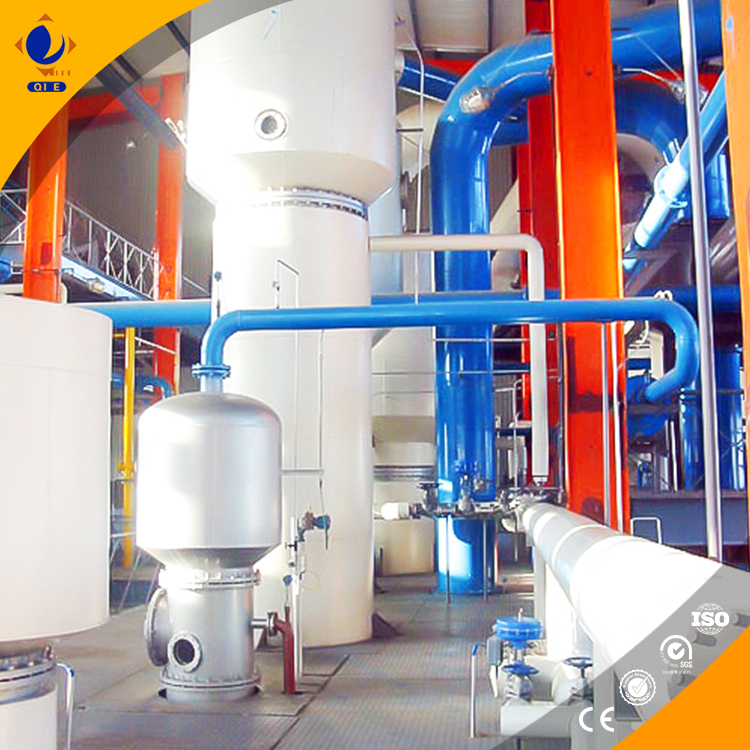
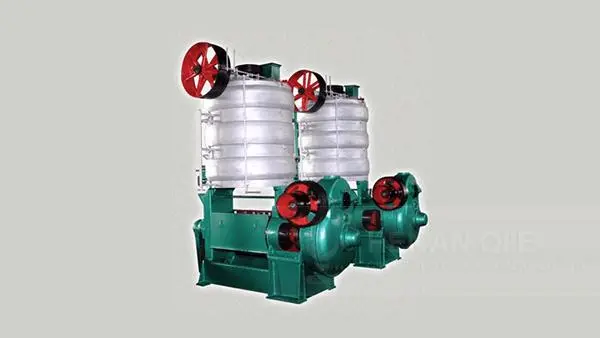
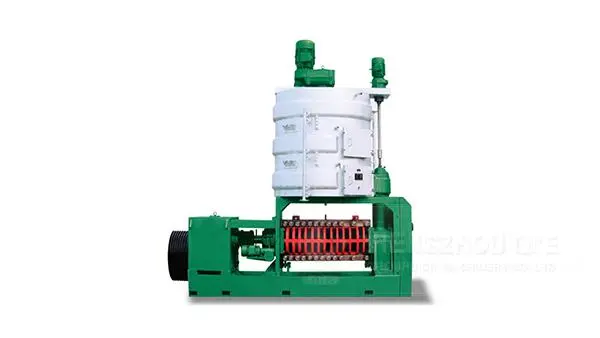
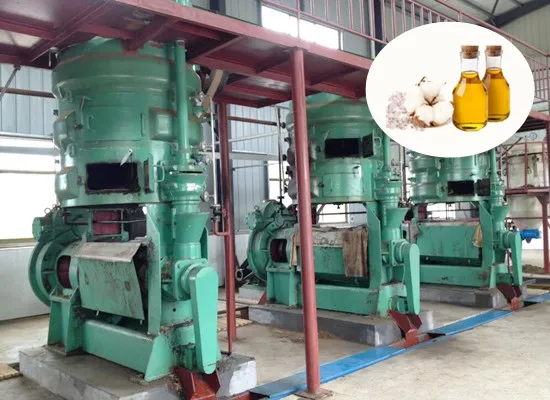
The breakthrough in modern peanut oil production lies in sequential processing that strategically applies cold and hot pressing stages. This approach typically begins with cold pressing to extract the highest quality oil fraction, followed by controlled heating and secondary pressing of the remaining cake. The result is a process that captures the best of both worlds: initial cold extraction preserves valuable nutrients, while subsequent hot pressing maximizes overall yield from the same raw material input.
Precise control of critical variables distinguishes successful integrated systems from conventional approaches. Temperature management proves particularly crucial—research indicates that maintaining the cold press stage below 45°C preserves 91% of natural tocopherols, while heating the cake to 135-145°C for secondary pressing optimizes residual oil recovery without significant nutrient degradation in the final blended product.
| Processing Stage | Optimal Temperature Range | Oil Yield Contribution | Nutrient Retention |
|---|---|---|---|
| Cold Press (Primary) | 35-49°C (95-120°F) | 55-65% of total yield | 88-94% of sensitive nutrients |
| Hot Press (Secondary) | 130-150°C (266-302°F) | 30-35% of total yield | N/A (from residual cake) |
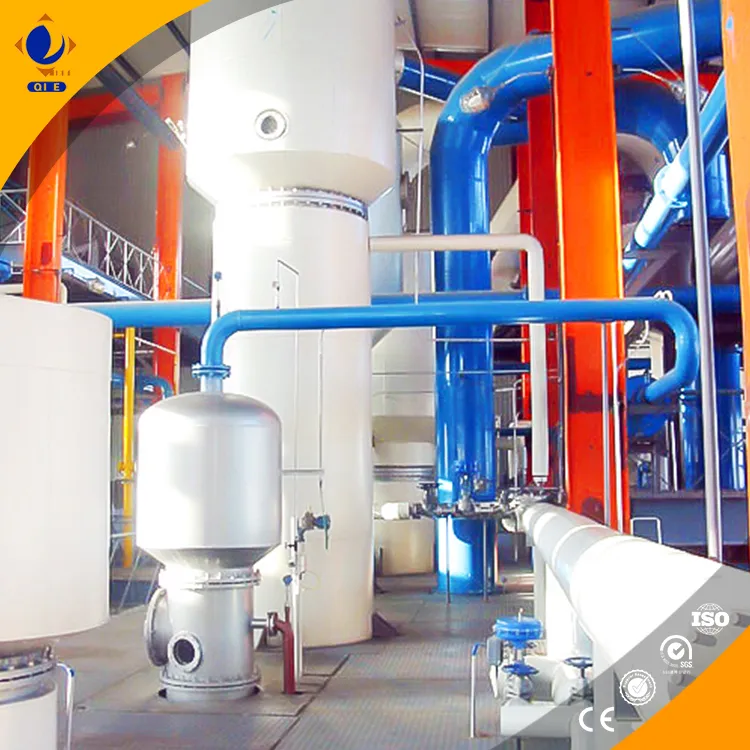
| Refining Process | 40-70°C (104-158°F) | 5-10% yield optimization | Maintains 82-88% of initial nutrients |
Moisture content represents another critical factor—ideal levels between 6-8% for cold pressing and 3-5% for subsequent hot pressing stages have been shown to increase overall yield by up to 12% compared to non-optimized processes. Pressure application also follows a strategic profile, with initial cold pressing typically utilizing 20-30 MPa, followed by higher pressure (35-45 MPa) in the hot pressing stage to extract residual oils from the denser cake matrix.
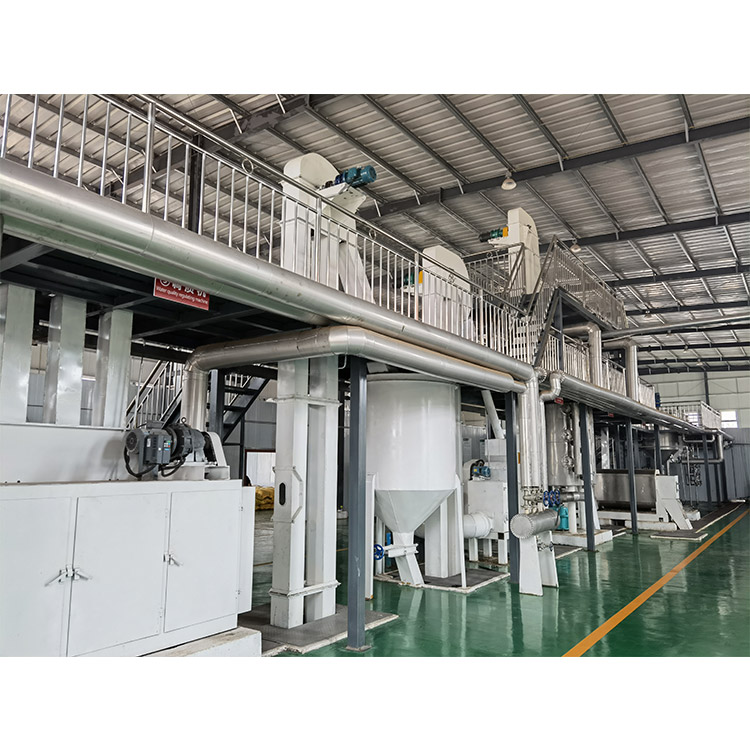
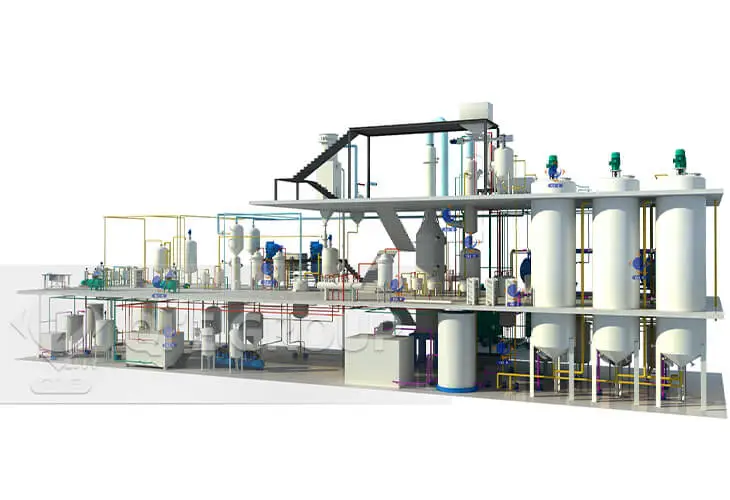
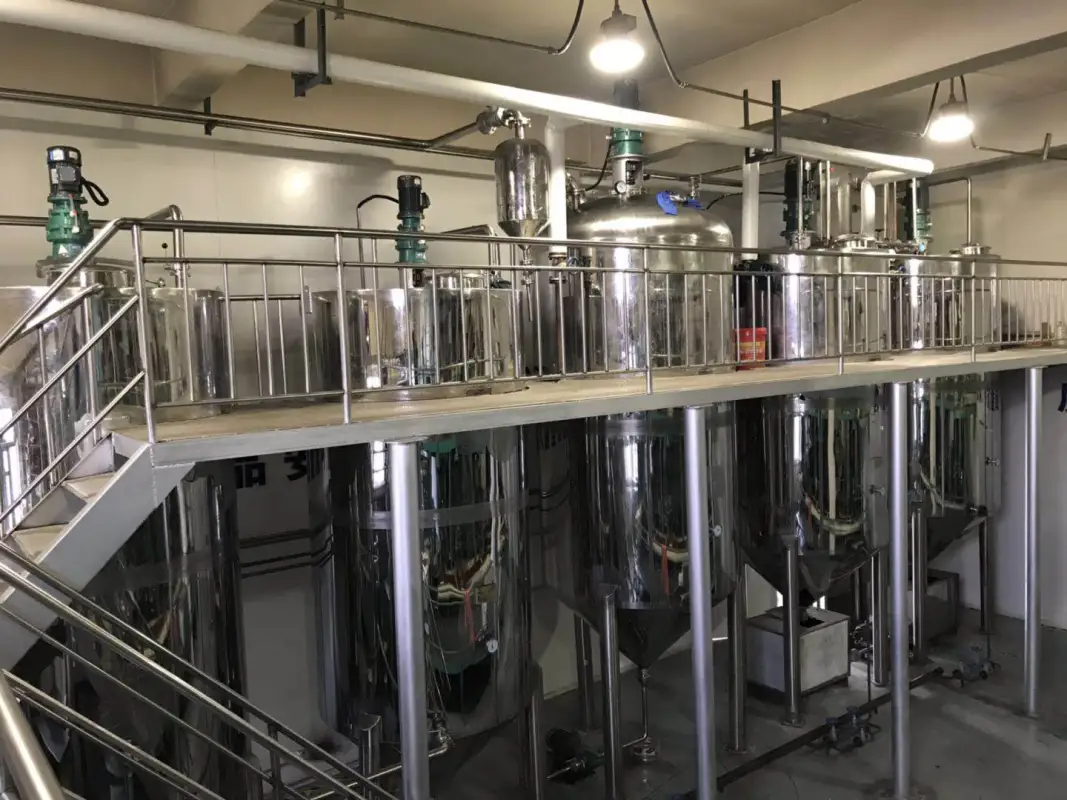
The practical benefits of integrated cold-hot pressing systems become most evident through real-world implementation. Consider the case of a mid-sized peanut processor in Shandong Province that upgraded from conventional hot pressing to a multi-stage automated花生油生产线 last year. The results were striking: overall yield increased by 18.7%, while vitamin E content in the final product rose from 22.3 mg/100g to 31.5 mg/100g—a 41% improvement in nutritional value that opened new market opportunities in premium health food channels.
Another compelling example comes from a leading peanut oil exporter in Argentina that implemented 花生油加工工艺优化 measures incorporating sequential pressing. By fine-tuning temperature profiles and moisture control, the company reduced processing time by 23% while increasing throughput capacity by 17%. Perhaps most significantly, their product achieved a 28% higher price point in European markets due to improved nutritional profiles and flavor characteristics—demonstrating how processing technology directly translates to market competitiveness.

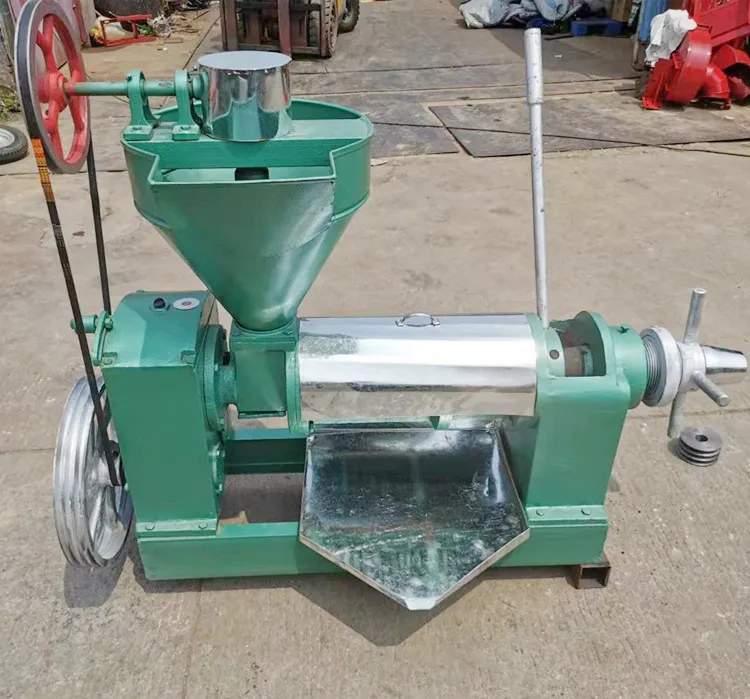
While the benefits of combined cold-hot pressing are clear, successful implementation requires careful planning and equipment selection. Modern systems incorporate advanced automation features that precisely control temperature, pressure, and processing time across each stage. Look for equipment with real-time monitoring capabilities and adaptive control algorithms that can adjust parameters based on incoming peanut quality—ensuring consistent results even with variable raw materials.
Maintenance considerations also play a crucial role in long-term operational efficiency. Components like press screws, heating elements, and filtration systems require regular inspection and servicing to maintain optimal performance. Choosing equipment with modular design can significantly reduce downtime by allowing component replacement without shutting down the entire production line.
Download our comprehensive technical whitepaper featuring detailed process blueprints, equipment specifications, and ROI calculators tailored for peanut oil processors.
Access the Complete Technology GuideAs consumer demand for high-quality, nutritious edible oils continues to grow, the ability to deliver both superior quality and production efficiency will separate industry leaders from the competition. The integration of cold and hot pressing technologies represents not just an incremental improvement, but a fundamental shift in how peanut oil manufacturers approach production—unlocking new levels of performance that benefit both bottom-line results and consumer satisfaction.
The most successful processors today recognize that processing technology is no longer just about extracting oil—it's about extracting maximum value from every peanut. By embracing integrated approaches that honor both yield optimization and nutritional preservation, manufacturers position themselves to thrive in an increasingly competitive global marketplace.
 soybean oil refining equipment
modular oil refinery plant
automatic oil refining control system
refined soybean oil quality monitoring
equipment installation and commissioning
peanut oil yield improvement
cold and hot pressing technology
peanut oil processing parameters
oil pressing efficiency
peanut oil quality
sunflower oil filtration equipment selection
industrial oil purifier capacity matching
food-grade stainless steel filtration equipment
ISO certified oil processing equipment
sunflower oil production equipment guide
sunflower oil quality control
sensory evaluation for sunflower oil
physicochemical indicators acid value peroxide value
cold pressing temperature control
export grade sunflower oil compliance
sunflower oil pressing technology
oil press maintenance
oil quality testing
nutrient retention in oil pressing
small-scale oil processing equipment
soybean oil refining equipment
modular oil refinery plant
automatic oil refining control system
refined soybean oil quality monitoring
equipment installation and commissioning
peanut oil yield improvement
cold and hot pressing technology
peanut oil processing parameters
oil pressing efficiency
peanut oil quality
sunflower oil filtration equipment selection
industrial oil purifier capacity matching
food-grade stainless steel filtration equipment
ISO certified oil processing equipment
sunflower oil production equipment guide
sunflower oil quality control
sensory evaluation for sunflower oil
physicochemical indicators acid value peroxide value
cold pressing temperature control
export grade sunflower oil compliance
sunflower oil pressing technology
oil press maintenance
oil quality testing
nutrient retention in oil pressing
small-scale oil processing equipment






.png?x-oss-process=image/resize,h_100,m_lfit/format,webp)
.png?x-oss-process=image/resize,h_100,m_lfit/format,webp)
.png?x-oss-process=image/resize,h_100,m_lfit/format,webp)

.jpg?x-oss-process=image/resize,h_800,m_lfit/format,webp)