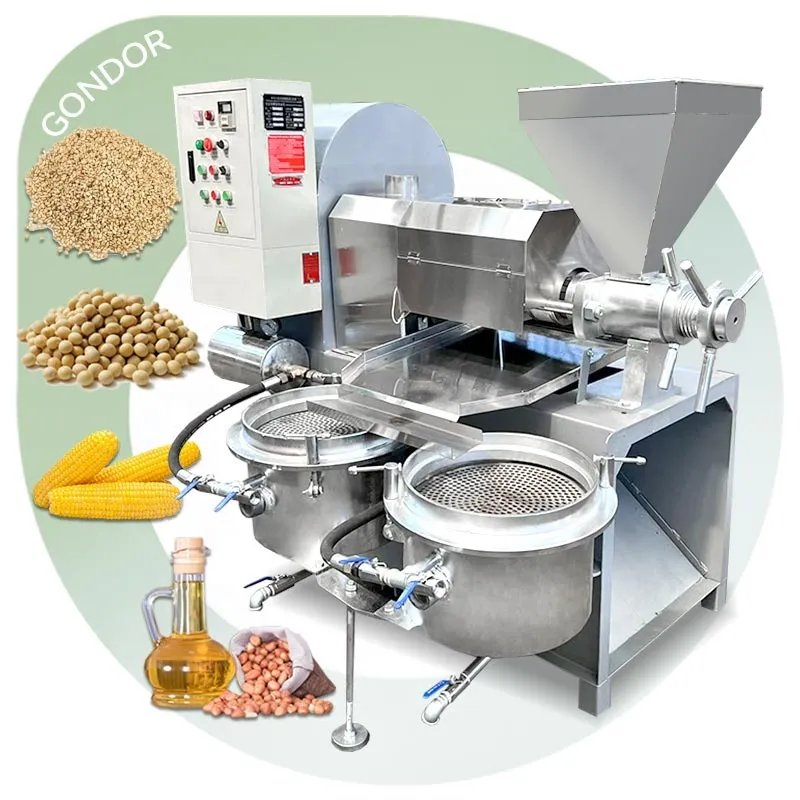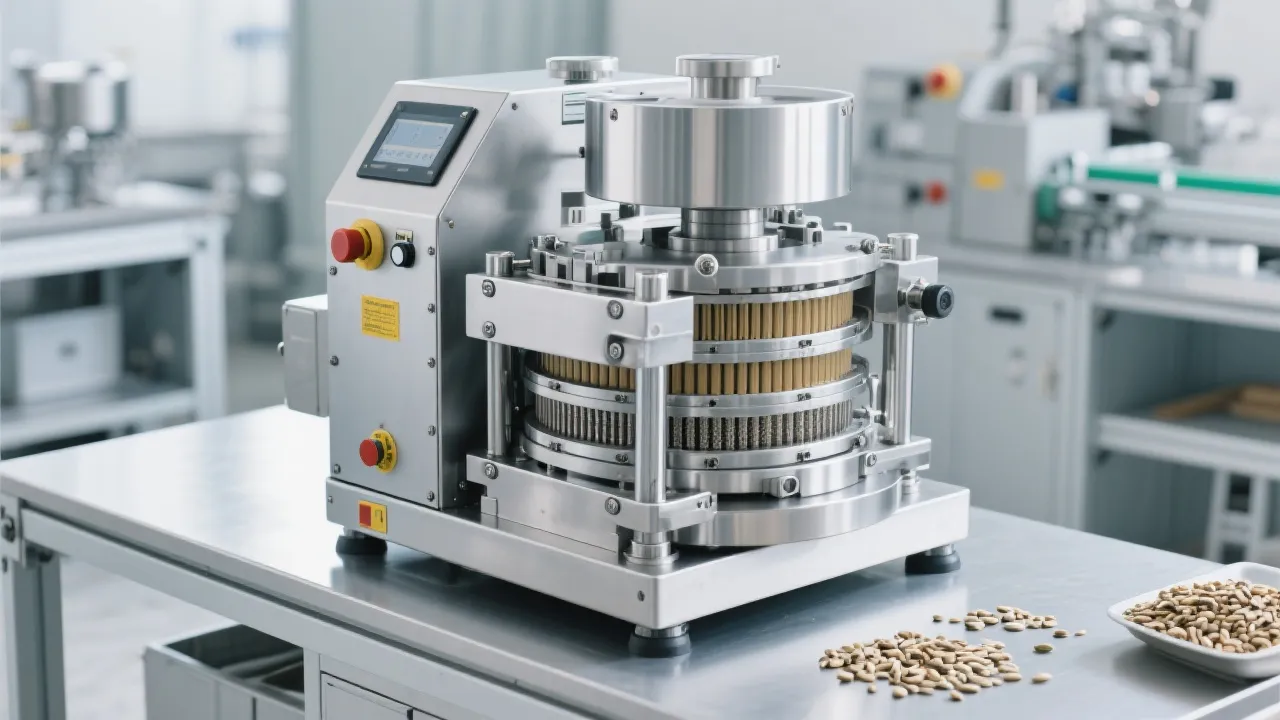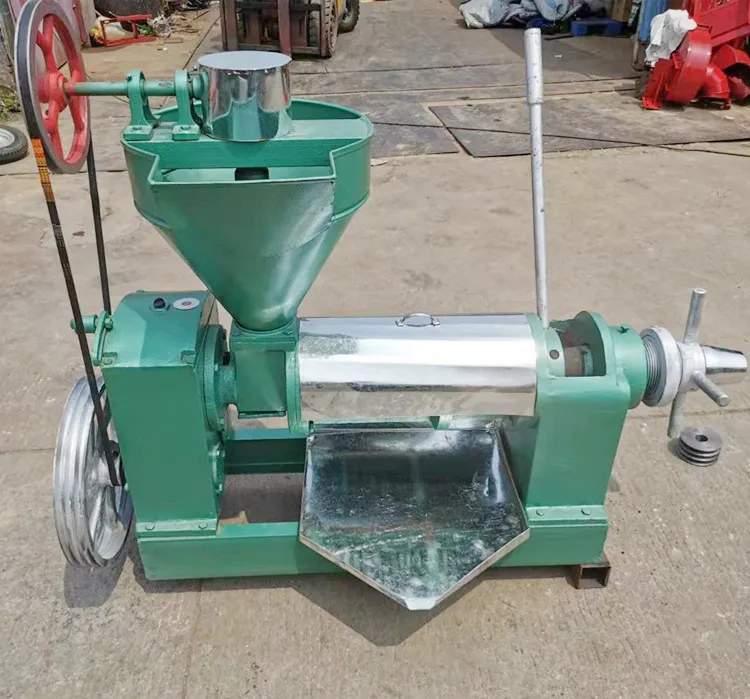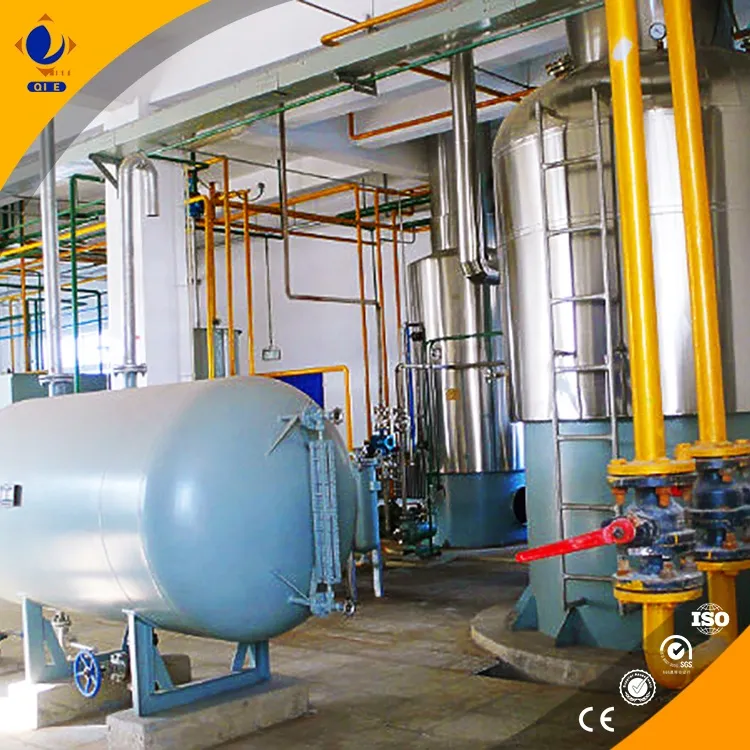
In the competitive landscape of edible oil processing, the efficiency and quality of sunflower oil production directly impact a manufacturer's bottom line. As global demand for high-quality sunflower oil continues to rise—projected to reach 32 million metric tons by 2025 according to industry reports—producers are seeking advanced technologies to optimize their operations. Among these innovations, centrifugal separation technology has emerged as a game-changer, offering significant advantages over traditional filtration methods. This article explores how centrifugal sunflower oil purification works and why it has become the preferred choice for modern oil processing facilities.
"Centrifugal separation technology has transformed our production line, increasing throughput by 35% while reducing energy consumption by nearly 20%. The difference in oil clarity and quality is remarkable." — Maria Ivanova, Production Director at Balkan Sun Oil Co.
Centrifugal separation operates on the principle of density difference, utilizing centrifugal force to separate components of different densities within a liquid mixture. In sunflower oil processing, this technology efficiently removes solid impurities, phospholipids, and moisture that affect oil quality and shelf life.
A typical centrifugal separator spins at speeds ranging from 6,000 to 10,000 revolutions per minute (RPM), generating centrifugal forces up to 10,000 times the force of gravity. This extreme force causes heavier impurities to migrate outward toward the separator wall, while the purified oil collects in the center, creating a clear separation boundary that allows for continuous extraction of clean oil.
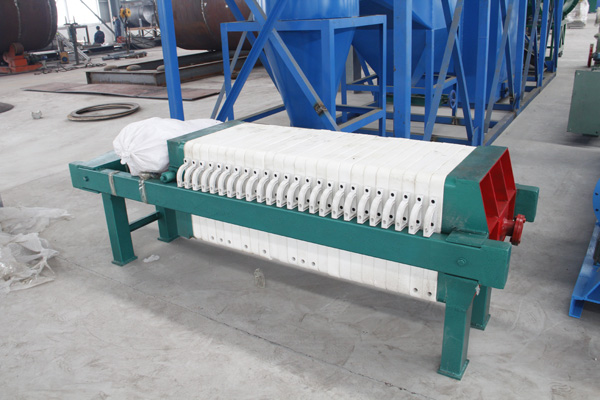
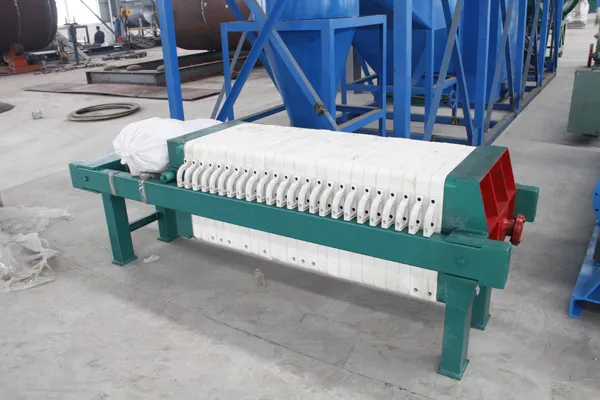
For decades, oil processors relied on traditional filtration methods such as plate filters and pressure leaf filters. While these systems work adequately for basic purification, they present significant limitations in modern high-volume production environments.
| Performance Metric | Traditional Filtration | Centrifugal Separation |
|---|---|---|
| Processing Capacity | Limited by filter media capacity | Continuous operation, up to 5000 L/hour |
| Energy Consumption | Higher (15-20 kWh/ton of oil) | Lower (8-12 kWh/ton of oil) |
| Maintenance Requirements | Frequent filter media replacement | Minimal, scheduled maintenance only |
| Oil Purity Level | 95-97% purity | 99.5%+ purity |
| Water Removal Efficiency | Limited (down to 0.5%) | Excellent (down to 0.05%) |
The data clearly shows that centrifugal separation offers superior performance across key metrics. Perhaps most importantly for commercial operations, centrifugal systems eliminate the need for consumable filter media, reducing operational costs by an average of $15,000-$30,000 annually for mid-sized processing facilities.
One of the significant advantages of centrifugal technology is its scalability. Whether you operate a small-scale facility processing 50-200 tons per day or a large industrial plant handling 1000+ tons per day, there's a centrifugal purification solution tailored to your needs.
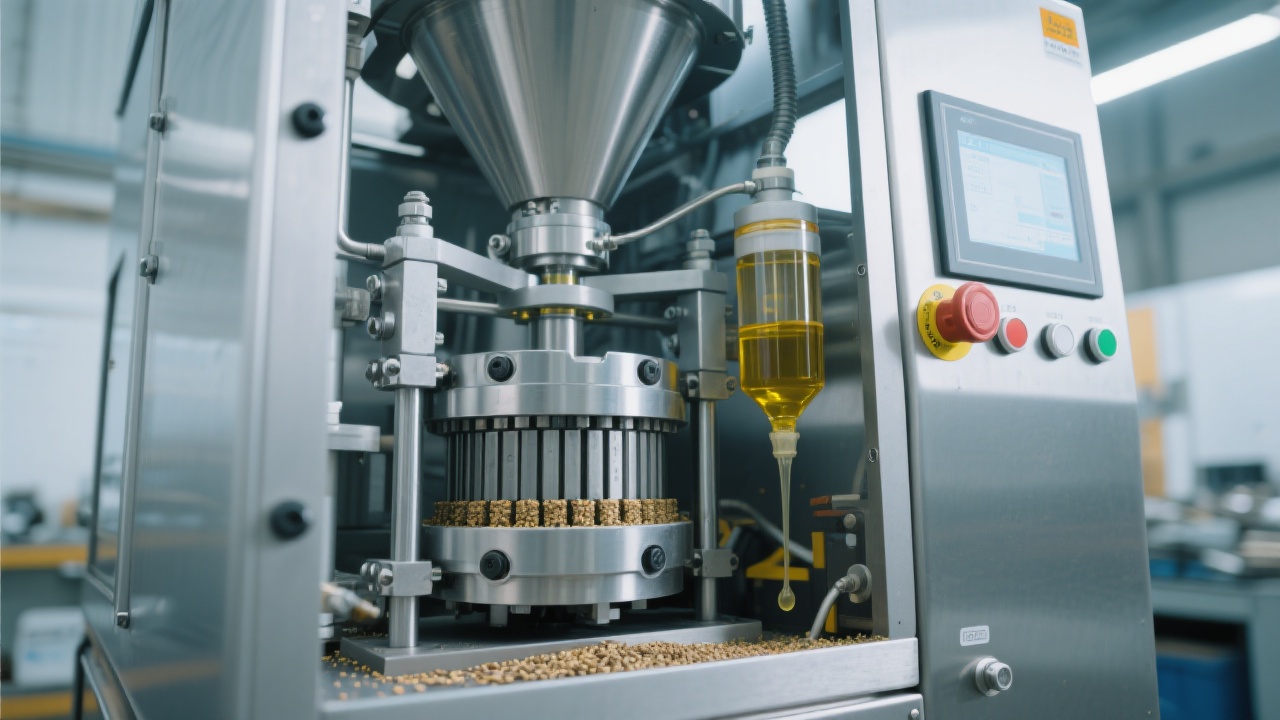
For small to medium operations, compact centrifugal units offer easy integration into existing production lines with minimal space requirements. These units typically feature automated controls and require only 1-2 operators for full operation. Larger facilities benefit from industrial-grade centrifuges with advanced monitoring systems that integrate seamlessly with process control networks, providing real-time data and remote operation capabilities.
To maximize the performance and lifespan of centrifugal purification equipment, proper operation and maintenance are essential. Most modern systems feature user-friendly interfaces and automated processes, but operator training remains critical to achieving optimal results.
Regular maintenance schedules typically include:
By following these maintenance protocols, operators can expect a service life of 8-10 years for centrifugal systems, with minimal unplanned downtime—typically less than 5 hours per year when properly maintained.
Across Europe, Asia, and Africa, oil processors have experienced transformative results after implementing centrifugal purification technology. In Romania, a mid-sized sunflower oil producer upgraded from traditional filtration to a QIE Group centrifugal system and achieved:
28%
Increase in production capacity
15%
Reduction in energy costs
40%
Decrease in waste disposal costs
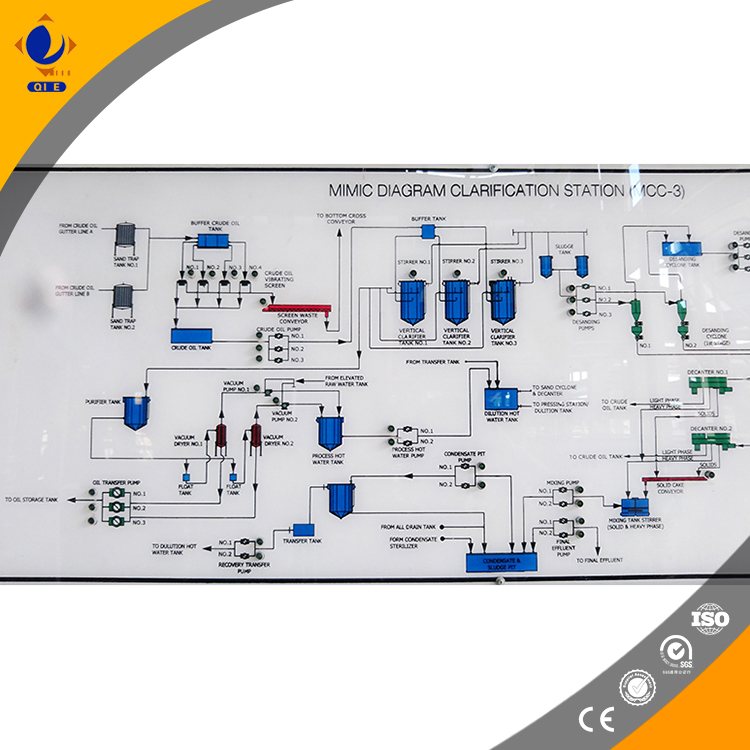
In Ukraine, one of the world's largest sunflower oil producers implemented a complete line of centrifugal purification equipment across three facilities. Within the first year, they reported $1.2 million in operational savings and achieved 99.7% oil purity, allowing them to enter premium markets in Western Europe and North America.
Discover how QIE Group centrifugal sunflower oil purification solutions can boost your efficiency, improve oil quality, and reduce operational costs.
Request a Customized Solution AssessmentAs the global sunflower oil market continues to evolve, processors who invest in advanced purification technology will gain a significant competitive advantage. Centrifugal separation offers not just incremental improvements, but a fundamental shift in how oil processing facilities operate—delivering higher quality products with greater efficiency and lower environmental impact.
Whether you're looking to upgrade an existing facility or planning a new production line, understanding the benefits of centrifugal separation technology is the first step toward achieving operational excellence in sunflower oil processing.
 soybean oil refining equipment
modular oil refinery plant
automatic oil refining control system
refined soybean oil quality monitoring
equipment installation and commissioning
sunflower oil quality control
sensory evaluation for sunflower oil
physicochemical indicators acid value peroxide value
cold pressing temperature control
export grade sunflower oil compliance
sunflower oil filtration equipment selection
industrial oil purifier capacity matching
food-grade stainless steel oil filter
ISO certified oil filtration machine
industrial sunflower oil purifier
sunflower oil pressing technology
oil press maintenance
oil quality testing
nutrient retention in oil pressing
small-scale oil processing equipment
sunflower oil filtration equipment selection
industrial oil purifier capacity matching
food-grade stainless steel filtration equipment
ISO certified oil processing equipment
sunflower oil production equipment guide
soybean oil refining equipment
modular oil refinery plant
automatic oil refining control system
refined soybean oil quality monitoring
equipment installation and commissioning
sunflower oil quality control
sensory evaluation for sunflower oil
physicochemical indicators acid value peroxide value
cold pressing temperature control
export grade sunflower oil compliance
sunflower oil filtration equipment selection
industrial oil purifier capacity matching
food-grade stainless steel oil filter
ISO certified oil filtration machine
industrial sunflower oil purifier
sunflower oil pressing technology
oil press maintenance
oil quality testing
nutrient retention in oil pressing
small-scale oil processing equipment
sunflower oil filtration equipment selection
industrial oil purifier capacity matching
food-grade stainless steel filtration equipment
ISO certified oil processing equipment
sunflower oil production equipment guide


.png?x-oss-process=image/resize,h_100,m_lfit/format,webp)
.png?x-oss-process=image/resize,h_100,m_lfit/format,webp)
.png?x-oss-process=image/resize,h_100,m_lfit/format,webp)